Forgotten Safety Pin on Nose Gear Preceded Gulfstream IV Runway Excursion at KSUS
Why It MattersThe case underscores how a single missed step in maintaining redundant safety hardware during preflight can propagate through a flight and defeat cockpit warning systems meant to catch it.
What happened
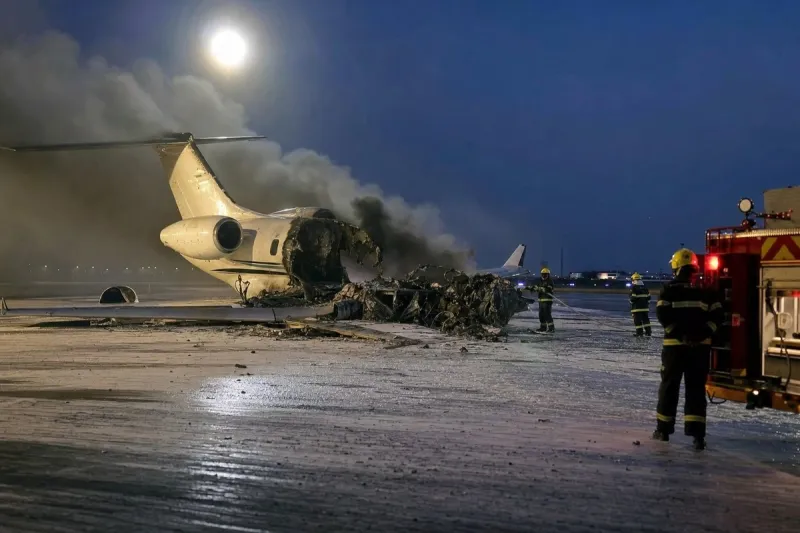
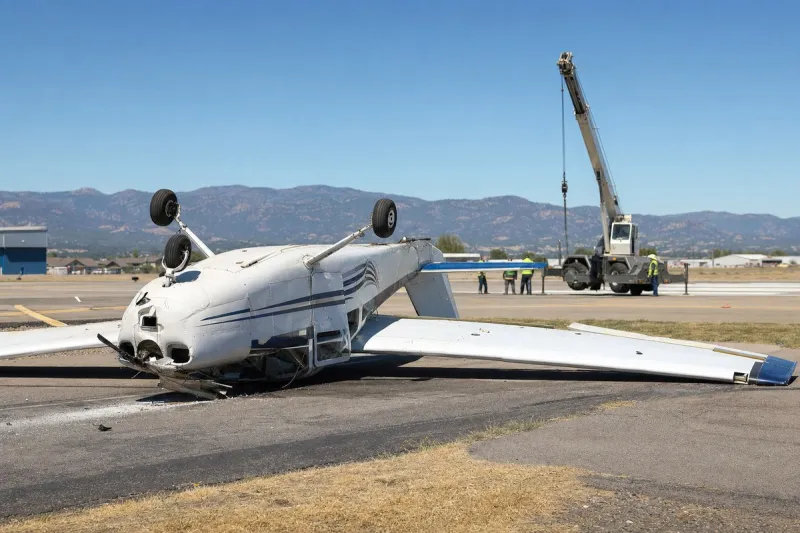
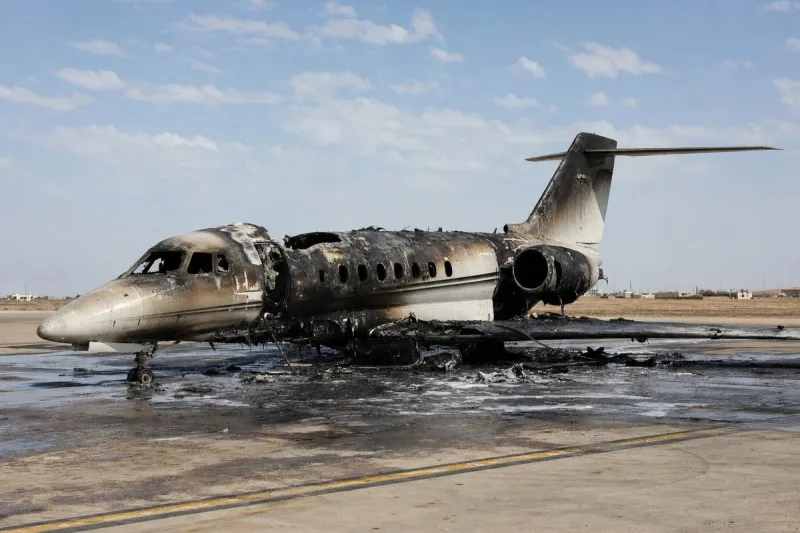
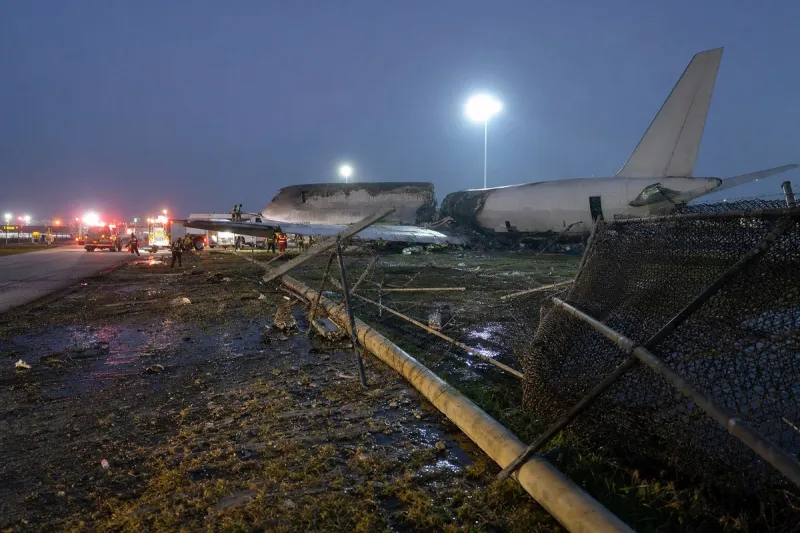
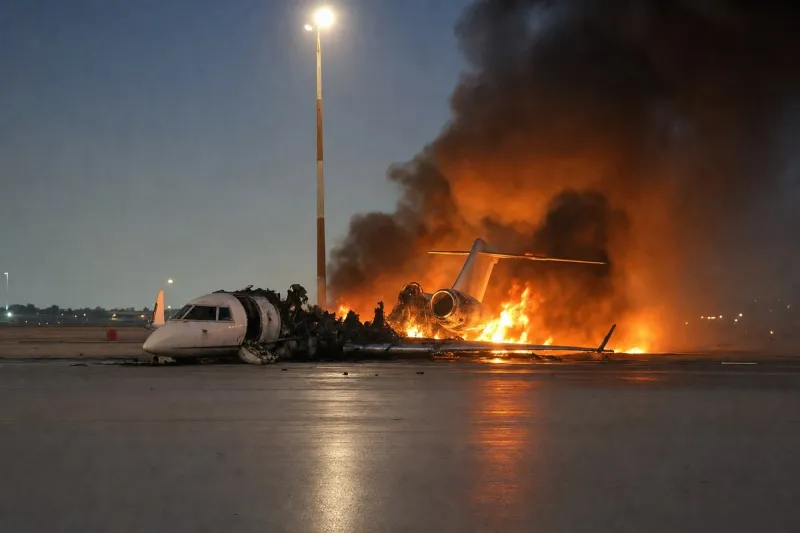
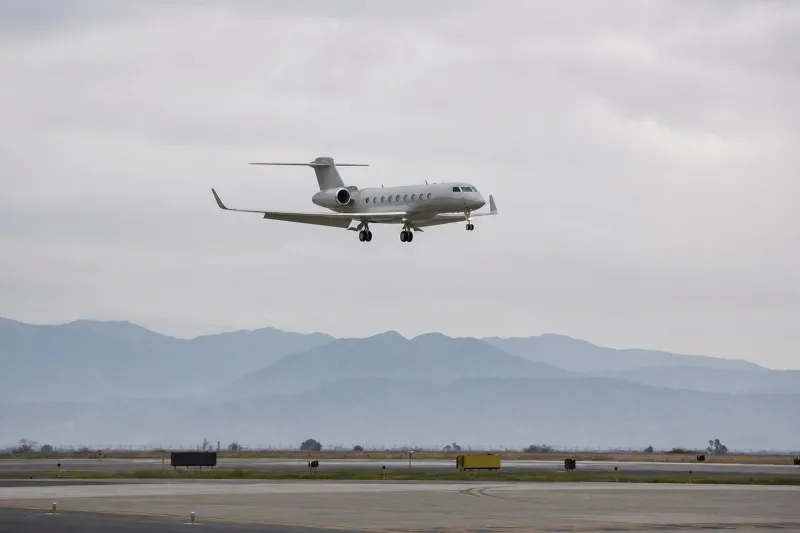
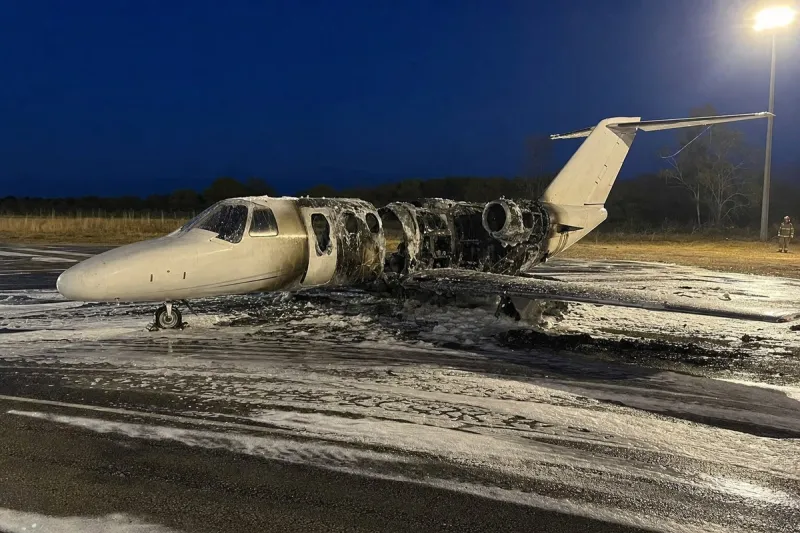
A Gulfstream IV operating a Part 135 on-demand air taxi flight sustained substantial damage to its lower fuselage and left wing during a runway excursion while landing at Spirit of St. Louis Airport (KSUS) in Missouri on August 14, 2026, according to a newly released preliminary report from the NTSB. None of the three crewmembers or seven passengers aboard were injured.
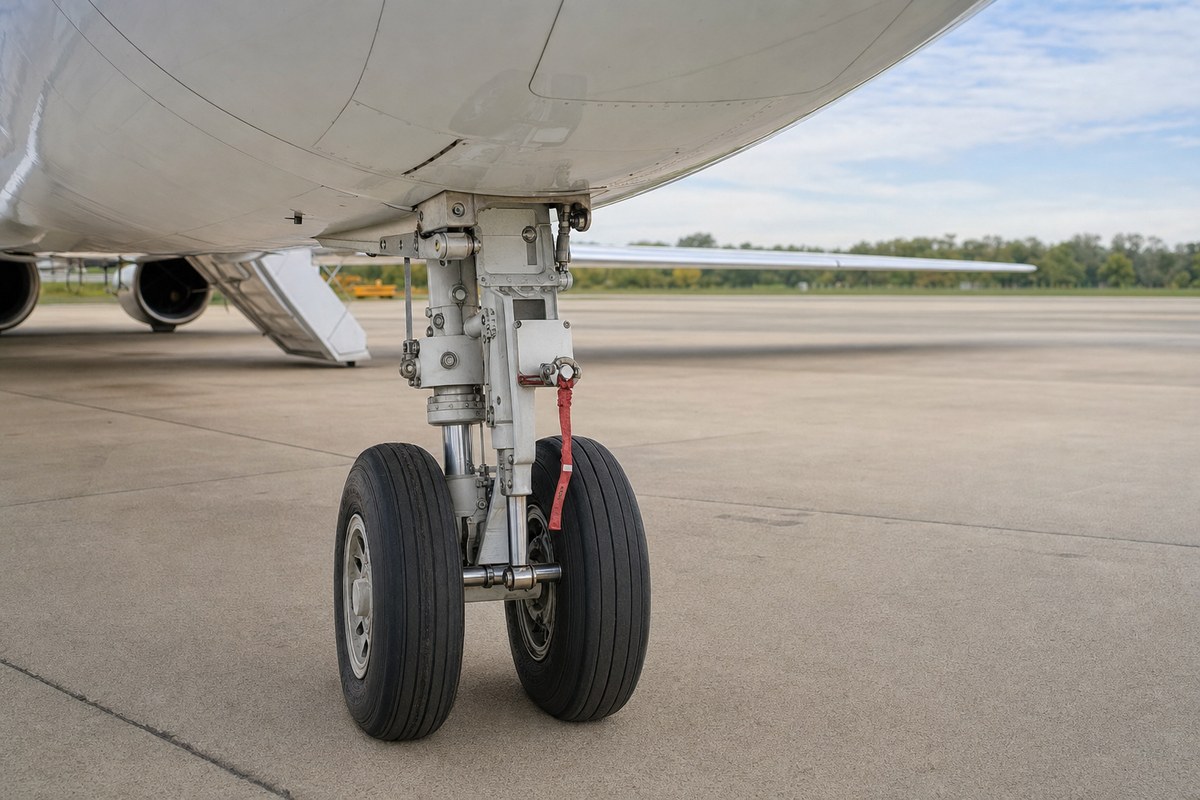
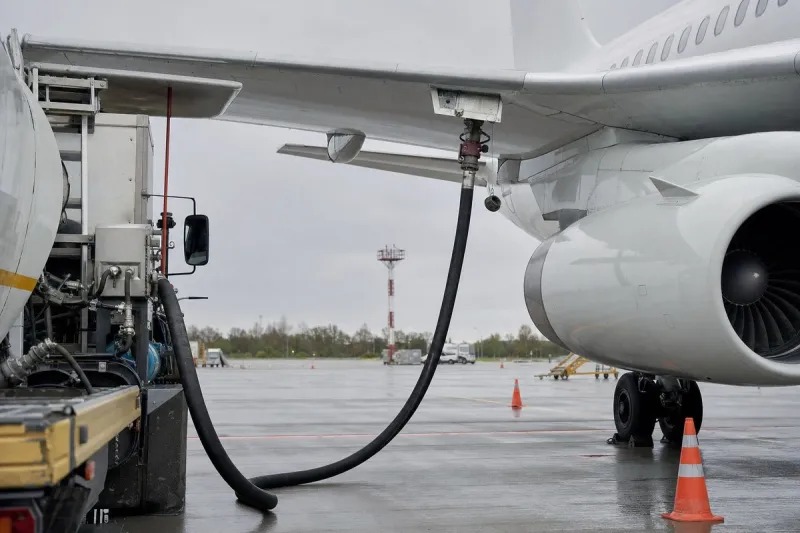
According to the pilot, ground crew at Eagle County Regional Airport (KEGE) in Colorado were unable to install the nose landing gear (NLG) pip pin — a component used to engage and disengage the scissor link with the nose wheel steering actuator — during the preflight inspection. The pilot installed the pin himself but forgot to install the secondary safety pin that helps keep it engaged. Before departure, the crew received a "STEER BY WIRE FAIL" Crew Alerting System message, completed the appropriate checklist, and the message cleared. On approach to KSUS, after lowering the landing gear, the same warning appeared again, and this time it did not clear after the checklist was completed.
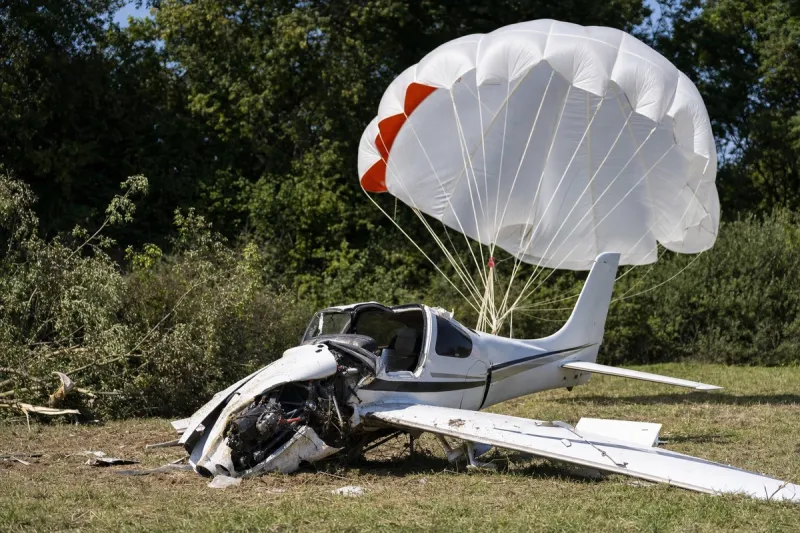
As the nose wheel touched down on Runway 8R, it began to shimmy. The nose landing gear then separated from the airplane and the left main landing gear collapsed, sending the aircraft veering left into the grass, where it came to rest upright. Debris was recovered from the runway and surrounding grass. The pip pin was found separated from the gear with three of its four ball locks remaining; the missing ball lock and the NLG's upper scissor link were not recovered. The safety pin was found intact in the open position, still attached to its lanyard cord.
The cockpit voice recorder and flight data recorder were removed and sent to the NTSB's Vehicle Recorders Laboratory in Washington, D.C., for download. The NTSB retained the wreckage for further examination, and the investigation remains ongoing.
Industry impact & what to watch
This event belongs to a familiar category in business aviation: a maintenance shortfall at one station that a crew works around in the moment, only for the workaround itself to become the point of failure later in the flight. The pip pin and its secondary safety pin exist precisely because a single point of engagement is not considered sufficient on a component that carries steering loads through the nose gear scissor link.
On-demand Part 135 operations depend on ground handling and line maintenance being consistent across every airport a crew visits, not just the operator's home base. When a component cannot be installed correctly at one stop, the chain of documentation, verbal handoff, and pilot cross-check becomes the only backstop — and this case shows that a recurring "STEER BY WIRE FAIL" message can appear, clear, and reappear without the crew having a way to know the underlying cause before touchdown.
The NTSB's continued examination of the recovered wreckage, including the missing ball lock and the unrecovered upper scissor link, will determine whether the pin separation alone explains the gear collapse or whether additional mechanical factors were involved. The cockpit voice recorder and flight data recorder downloads at the Vehicle Recorders Laboratory should clarify the sequence between the first warning at KEGE and its reappearance on approach to KSUS.