India Had Nearly 40,000 Registered Drones and Equal Number of Certified Pilots as of February 2026, Report Says
Why It MattersThe scale of registrations and training infrastructure signals that drone use in India has moved from niche commercial operations into a mainstream consumer and small-business activity.
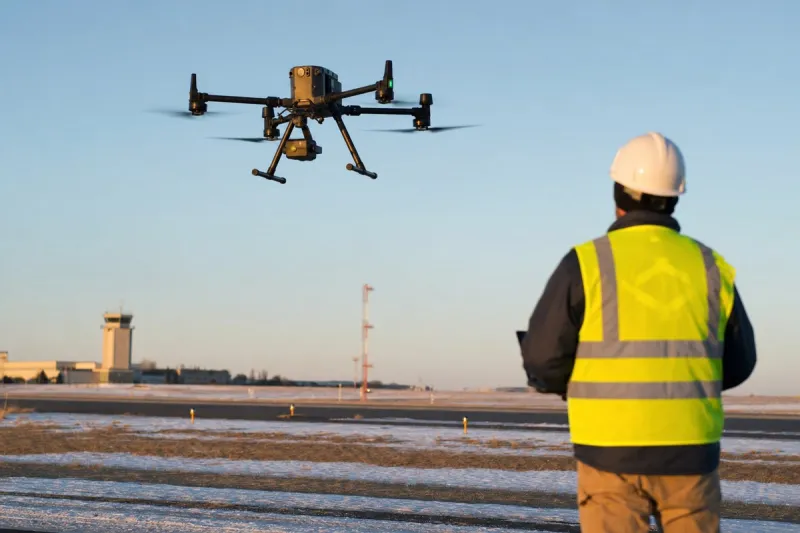
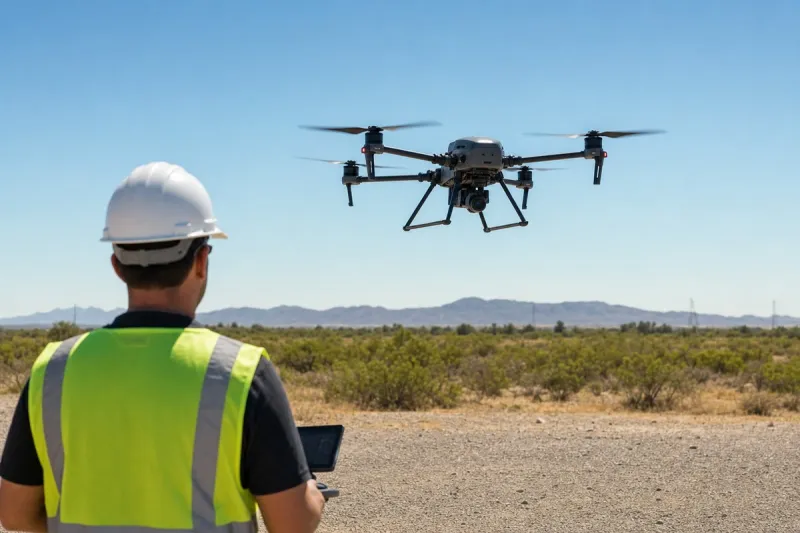
India had nearly 40,000 registered drones and approximately the same number of DGCA-certified remote pilots as of February 2026, alongside 244 approved drone training schools, an ecosystem that now reaches beyond specialist operators to wedding videographers, farmers, real estate agents, small businesses and social media influencers.
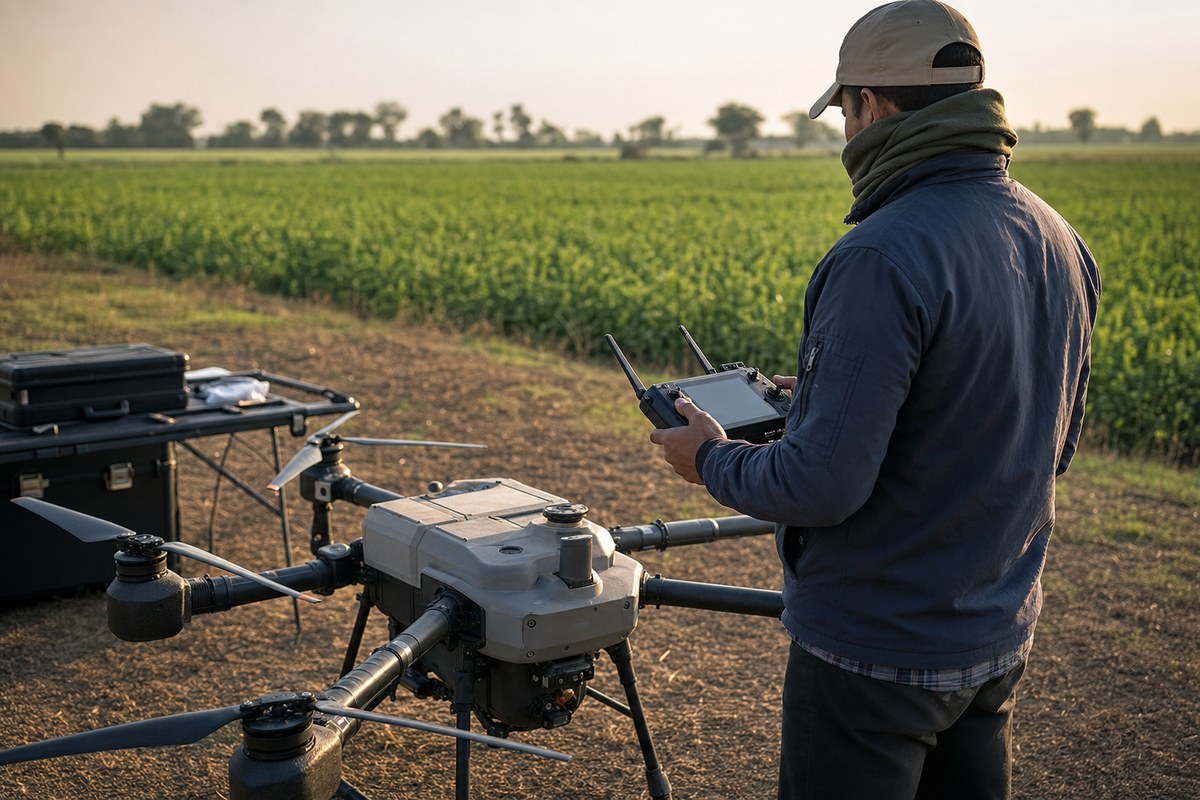
Drone flights are governed through a three-zone, colour-coded system managed via the Digital Sky platform. Green zones, covering open fields, rural areas and many residential neighbourhoods, allow flights up to 400 feet without additional permission if the drone is registered where required. Yellow zones, near airports and city centres, require advance permission through Digital Sky, while red zones — international borders, military installations, Parliament and other high-security sites — prohibit drone flight entirely. Zone designations can change temporarily during elections, cricket matches, high-profile visits and national holidays, making pre-flight checks of the Digital Sky map necessary before every operation.
Drones over 250 grams must be registered with a Unique Identification Number through Digital Sky, and a Remote Pilot Certificate is required above the nano category or for commercial use. Penalties for violations range from fines and confiscation to blacklisting from future registration and, in serious cases, imprisonment, with ignorance of a red zone generally not a valid defence.
On counter-drone response, Amardeep Singh, founder and chief executive of counter-drone technology company Armory, said an unauthorised drone in restricted airspace is not automatically a security threat but must be assessed rapidly, using radio-frequency sensing and Drone ID systems that are not universally deployed. He noted AI and machine learning can help assess flight behaviour but cannot reliably determine intent in every case, leaving trained human operators with final authority. Consumer prices cited include an entry-level DJI Mini 2 SE at around Rs 46,500, a DJI Mini 4 Pro at approximately Rs 99,999 and a DJI Air 3 at about Rs 1,35,500, excluding registration, training or insurance costs for commercial use.