
Private Jet Solutions: Ownership, Leasing, and Chartering Compared


Introduction
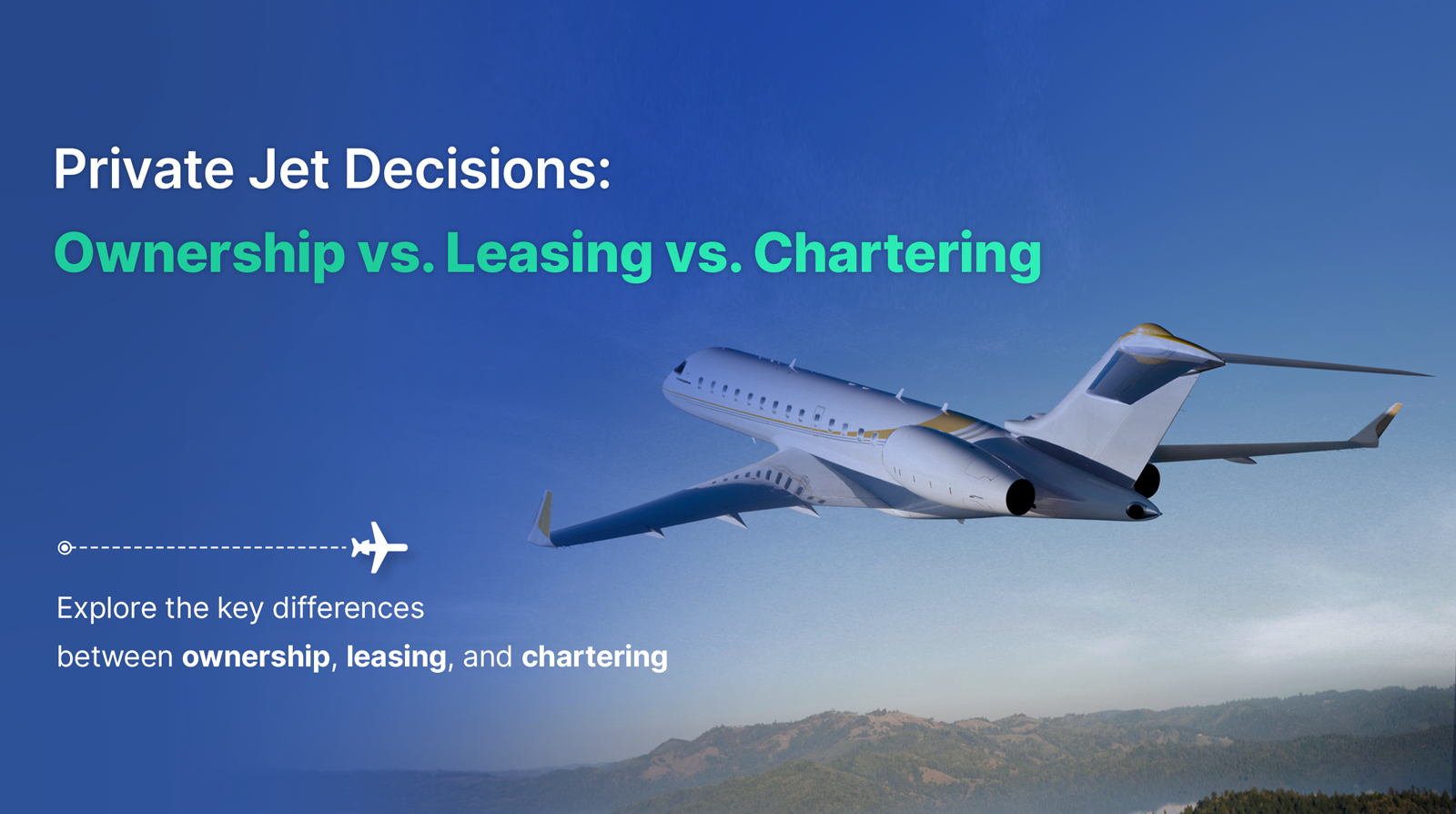
Navigating the private aviation landscape requires a clear understanding of the various access models available. Each model—be it fractional ownership, aircraft leasing, or on-demand chartering—offers unique benefits and considerations that influence cost, flexibility, and control.
Fractional Jet Ownership
Overview
Fractional jet ownership allows multiple parties to co-own a share of an aircraft, granting them a specified number of flight hours each year. This arrangement provides the perks of private jet access without the full financial and operational responsibilities of sole ownership. A management company typically oversees the aircraft's maintenance, crew, and scheduling, ensuring availability when needed.
Financial Considerations and Advantages
Key financial aspects include:
- Initial Investment: Purchasing a share requires an upfront payment, which varies based on the share size and aircraft type.
- Monthly Fees: Recurring charges cover fixed operational costs such as crew salaries, insurance, and hangar fees.
- Hourly Charges: Additional fees apply per flight hour, encompassing variable operational expenses.
Benefits of fractional ownership encompass
- Guaranteed Availability: Owners have assured access to the aircraft or a similar model, enhancing travel flexibility.
- Shared Expenses: Pooling resources with other owners reduces the financial burden compared to full ownership.
- Comprehensive Management: Delegating operational responsibilities to a management company allows owners to enjoy the benefits without administrative hassles.
Comparison with Full Ownership
Compared to full ownership, fractional ownership offers a lower initial investment and alleviates operational responsibilities by entrusting them to a management company. Additionally, it provides access to a fleet of aircraft, offering flexibility in aircraft selection, whereas full ownership confines the owner to a single aircraft type.

Private Jet Leasing
Lease Variations
Leasing presents flexible options for private aviation:
- Dry Lease: The lessor provides the aircraft without crew, maintenance, or insurance, placing operational control and responsibility with the lessee.
- Wet Lease: The lessor supplies the aircraft along with crew, maintenance, and insurance, while the lessee typically covers fuel and other operational costs.
- Operating Lease: A short- to medium-term lease where the lessee uses the aircraft without transferring ownership. At lease end, the aircraft is returned to the lessor.
- Finance Lease: A long-term lease resembling a purchase agreement, where the lessee assumes ownership risks and benefits, often culminating in asset ownership.
Benefits and Considerations
Leasing offers several advantages:
- Capital Preservation: Leasing requires less upfront capital compared to purchasing, preserving funds for other investments.
- Fleet Adaptability: Leases enable operators to adjust fleet size and composition based on demand, enhancing adaptability.
- Risk Reduction: Operating leases allow operators to avoid residual value risk associated with aircraft depreciation.
However, considerations include:
- Long-Term Costs: Extended leasing may result in higher cumulative expenses than ownership.
- Operational Influence: Wet leases may limit the lessee's control over operations due to reliance on the lessor's crew and maintenance.
- Lease Conditions: Strict lease terms can restrict usage, customization, and route flexibility.
Alternative Private Aviation Solutions
Beyond fractional ownership and leasing, other models cater to diverse client needs:
Jet Chartering
- On-Demand Charter: Clients book flights as needed without long-term commitments, with pricing based on factors like aircraft type, flight duration, and additional services.
- Empty Leg Flights: Discounted flights are available when an aircraft needs to return to its base or reposition for another booking without passengers. Clients can take advantage of reduced rates, though flexibility in scheduling and destinations is required.
Jet Cards & Block-Hour Programs
Jet cards and block-hour programs offer clients a prepaid commitment to a set number of flight hours, providing guaranteed availability and standardized pricing. For instance, some providers offer jet card programs where customers can purchase flight hours in increments, offering flexibility without the long-term commitment of fractional ownership.
Aircraft Management Services
These services assist aircraft owners with the complexities of operating a private jet, including crew management, maintenance, regulatory compliance, and scheduling. Specialized companies offer such services, allowing owners to optimize the use and efficiency of their aircraft while ensuring adherence to safety and operational standards.
Key Factors to Consider in Private Aviation Solutions
Selecting the appropriate private aviation solution requires careful evaluation of several critical factors:
- Flight Frequency: Frequent flyers might find options like fractional ownership or jet cards more cost-effective, while occasional travelers may prefer on-demand chartering or block-hour programs.
- Budget: Full ownership and fractional ownership entail significant initial investments, whereas leasing and chartering typically require lower upfront commitments. Ongoing expenses such as maintenance, crew salaries, insurance, and operational fees should also be considered.
- Operational Control: Full ownership provides complete control over scheduling, aircraft customization, and operations. Leasing and fractional ownership offer varying degrees of control, often with management services handling daily operations.
- Tax Implications: Full owners may capitalize on tax depreciation of the aircraft, while lease payments are often considered operating expenses, potentially offering different tax advantages.
- Availability and Flexibility: Fractional ownership and jet card programs often ensure aircraft availability within a specified notice period, while on-demand chartering provides the ability to select different aircraft types and schedule flights as needed, offering high adaptability.
Conclusion
The private aviation industry offers multiple solutions, including fractional ownership, leasing, jet chartering, jet cards, and aircraft management services, each catering to different operational needs. Understanding these options allows operators and brokers to make informed decisions that enhance efficiency and meet client demands effectively.
Avi-Go serves as a premier air charter marketplace, connecting charter brokers, operators worldwide. With advanced tools designed to simplify sales and streamline operations, the platform helps industry professionals to expand their reach, improve workflow, and deliver superior service in the competitive air charter market.

BAAFEx 2025: Journey into Private Jet Innovation

Maximizing Revenue: How Air Charter Operators Enhance Operational Efficiency

Private Jet Charter Cost Estimator and Airline Price Predictor
Ready to Supercharge
Your Business Aviation Tech Stack with AI and Data?
Sign up free and start using the tools available in your chosen plan.
Discover how our aviation technology helps you work more efficiently and grow with confidence.
Subscribe to the Avi-Go Newsletter
Business aviation data, insights, and trends — trusted by 10,000+ professionals worldwide.