
Private Air Charter Marketplace Revolution: 7 Game-Changing Trends Reshaping Business Aviation in 2025


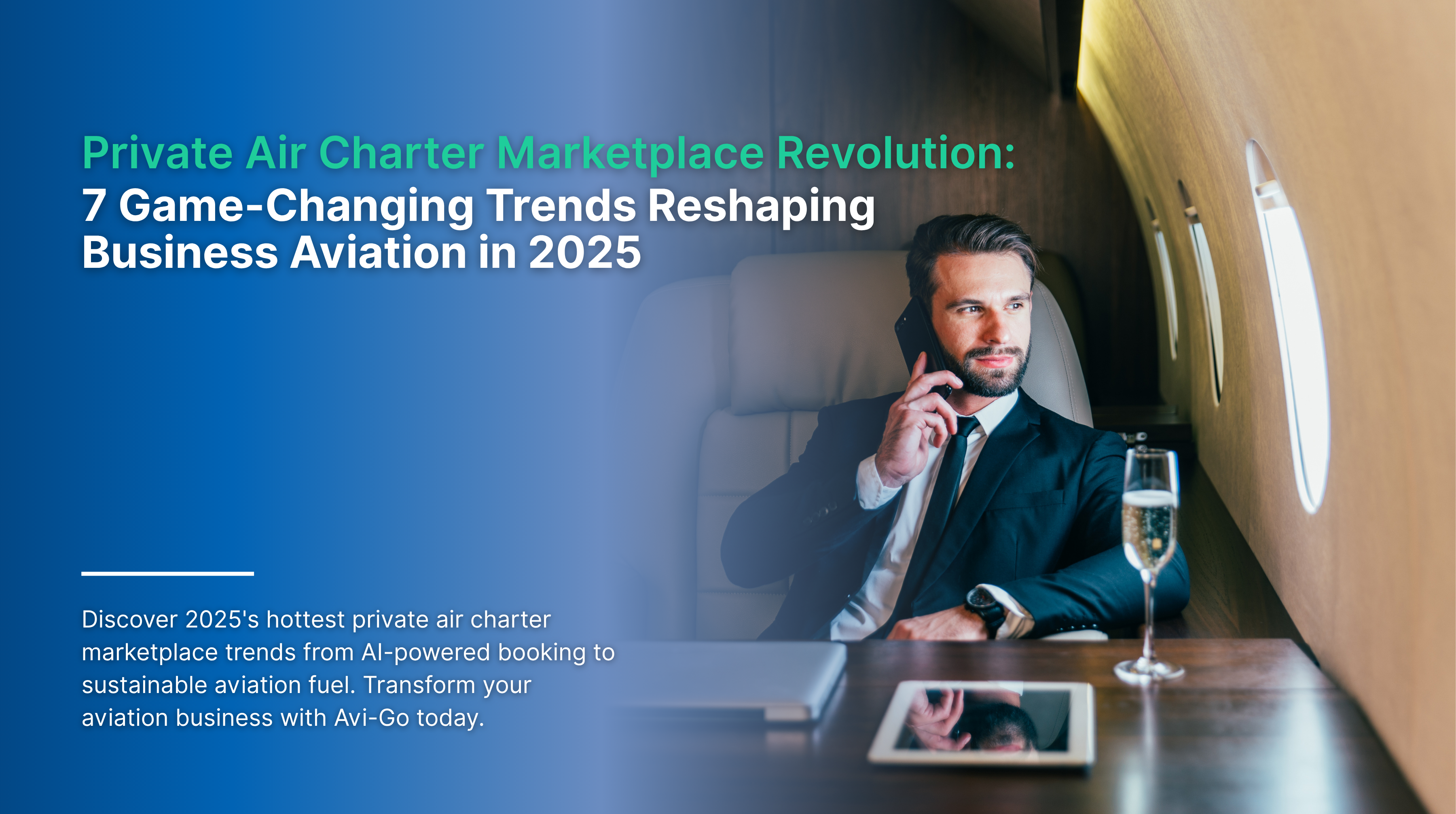
The private air charter marketplace is experiencing unprecedented transformation as operators adapt to evolving passenger demands and technological advances. Industry leaders are reshaping traditional charter models, integrating cutting-edge technology, and embracing sustainability initiatives that will define the future of business aviation.
Recent developments across the charter flight booking landscape reveal significant shifts in how companies approach service delivery, fleet management, and customer experience. These changes are not just incremental improvements; they represent fundamental alterations to the business aviation platform structure that has dominated the industry for decades.
1) How Hybrid Charter Models Bridge Premium Experience and Affordability
The success of hybrid charter models lies in their ability to optimize operational efficiency while maintaining service quality. These operators typically utilize smaller aircraft and strategic route planning to reduce per-passenger costs. Operating from private terminals can offer departure experiences that closely mirror traditional private aviation.
Industry analysts note that this model addresses a significant gap in the private air charter marketplace, serving customers who want premium service but cannot justify the $10,000+ price tags of traditional charter flights. The approach has attracted attention from both leisure travelers and corporate clients looking to optimize travel budgets without sacrificing employee comfort.
2) AI-Powered Aviation Technology Transforms Charter Flight Booking
The integration of artificial intelligence into charter operations represents perhaps the most significant technological advancement in recent years. Platforms like Avi-Go's AI-powered marketplace (https://marketplace.avi-go.com/aircraft-search) are leading this transformation, implementing sophisticated systems that can analyze flight patterns, predict demand, and optimize aircraft positioning to reduce empty legs and improve overall efficiency.
These AI-powered aviation technology solutions are transforming how operators manage their fleets and how customers access charter services. The technology enables real-time matching of passenger requests with available aircraft, significantly reducing booking times and operational costs through advanced AI search capabilities (https://marketplace.avi-go.com/aircraft-search).
3) Satellite Flight Tracking Technology Enhances Operational Transparency
The implementation of satellite tracking represents a broader trend toward data-driven operations in the private air charter marketplace. Customers increasingly expect the same level of real-time information they receive from commercial airlines, and charter operators are responding by investing in advanced tracking systems. Modern platforms now offer comprehensive live flight tracking (https://marketplace.avi-go.com/live-flight-tracking) that provides real-time aircraft monitoring and operational transparency.
4) AI-Based Charter Booking Process Optimizes Empty Leg Connections
One of the most promising applications of AI in charter operations involves optimizing empty leg flights—repositioning flights that typically operate without passengers. Advanced algorithms can now predict when and where these opportunities will arise, allowing operators to offer significant discounts to flexible travelers through dedicated empty leg marketplaces (https://marketplace.avi-go.com/empty-legs).
This technology creates a win-win scenario: operators reduce operational costs by generating revenue from previously empty flights, while customers gain access to premium charter services at substantially reduced prices. Some platforms report savings of up to 60% on empty leg bookings compared to traditional charter rates.
5) Fleet Expansion Strategies Drive Business Aviation Platform Growth
The expansion of VIP airliner capabilities reflects broader growth trends across the business aviation platform sector. Companies are diversifying their fleets to serve different market segments, from cost-conscious travelers seeking JSX-style alternatives to ultra-high-net-worth individuals requiring the ultimate in luxury and privacy.
Fleet operators are also expanding geographically, with particular attention to emerging markets. Vietnam's business aviation market, for example, has been identified as holding significant untapped potential by charter firms looking to expand their Asian operations.
6) Sustainable Aviation Fuel Charter: Industry's Green Commitment
Environmental sustainability has moved from a nice-to-have to a market necessity in the private air charter marketplace. Luxaviation's recent commitment to purchasing 10,000 metric tonnes of synthetic sustainable aviation fuel annually starting in 2029 demonstrates the industry's serious approach to reducing carbon emissions.
This 15-year agreement with Icelandic company IdunnH2 represents one of the largest private aviation commitments to sustainable fuel to date. The deal signals that major operators are willing to make significant long-term investments in environmental responsibility, even as they navigate the current premium pricing of sustainable alternatives.
7) Synthetic Sustainable Aviation Fuel Contracts Set 2029 Standards
The Luxaviation agreement establishes a precedent for other operators considering similar commitments. While synthetic sustainable aviation fuel currently costs significantly more than traditional jet fuel, long-term contracts help stabilize pricing and encourage production scaling.
Industry experts predict that sustainable fuel requirements will become standard across the private air charter marketplace by 2030. Early adopters like Luxaviation are positioning themselves as leaders in responsible aviation while potentially securing more favorable pricing through long-term commitments.
The shift toward sustainable operations is not just about environmental responsibility—it's increasingly becoming a competitive differentiator. Corporate clients are evaluating charter providers based on sustainability credentials, and operators who can demonstrate concrete environmental commitments are gaining market advantages.
These developments collectively illustrate an industry in transition, embracing technology, sustainability, and innovative service models to meet evolving customer expectations. The private air charter marketplace of 2025 looks dramatically different from even five years ago, with further transformation expected as these trends continue to mature.
Frequently Asked Questions
A) What makes AI-powered aviation technology different from traditional charter booking systems?
AI-powered aviation technology revolutionizes the private air charter marketplace by automatically matching travelers with empty legs and repositioning flights. Unlike traditional booking methods, AI-based charter booking processes analyze real-time data, optimize routes, and connect passengers to available aircraft within seconds. This technology reduces costs by up to 40% while providing instant access to thousands of charter options through platforms like Avi-Go's comprehensive business aviation platform (https://avi-go.com/).
B) How do sustainable aviation fuel commitments impact private jet charter costs?
Sustainable aviation fuel charter operations are becoming standard practice, with major operators signing long-term contracts for synthetic sustainable aviation fuel. While eSAF currently costs 2-3x more than traditional fuel, operators absorb these costs to meet 2025 environmental standards. Companies using business aviation platforms can now filter charter options by sustainability credentials, making eco-friendly private air charter marketplace choices more accessible without significantly impacting booking prices.
C) What advantages do VIP airliner operations offer over traditional private jets?
VIP airliner operations provide unprecedented space and luxury for large group charters, accommodating 50-100+ passengers compared to traditional private jets' 8-12 capacity. These aircraft feature full bedrooms, conference rooms, and lounge areas perfect for corporate events or luxury leisure travel. Charter flight booking platforms now offer these ultra-premium options, expanding the private air charter marketplace beyond conventional business aviation limitations.

Private Jet Charter Cost Estimator and Airline Price Predictor

Best Private Jet Charter Companies 2026

Private Jet Sustainability
Ready to Supercharge
Your Business Aviation Tech Stack with AI and Data?
Sign up free and start using the tools available in your chosen plan.
Discover how our aviation technology helps you work more efficiently and grow with confidence.
Subscribe to the Avi-Go Newsletter
Business aviation data, insights, and trends — trusted by 10,000+ professionals worldwide.