
Public Charter Flights Explained and How the Business Model Works


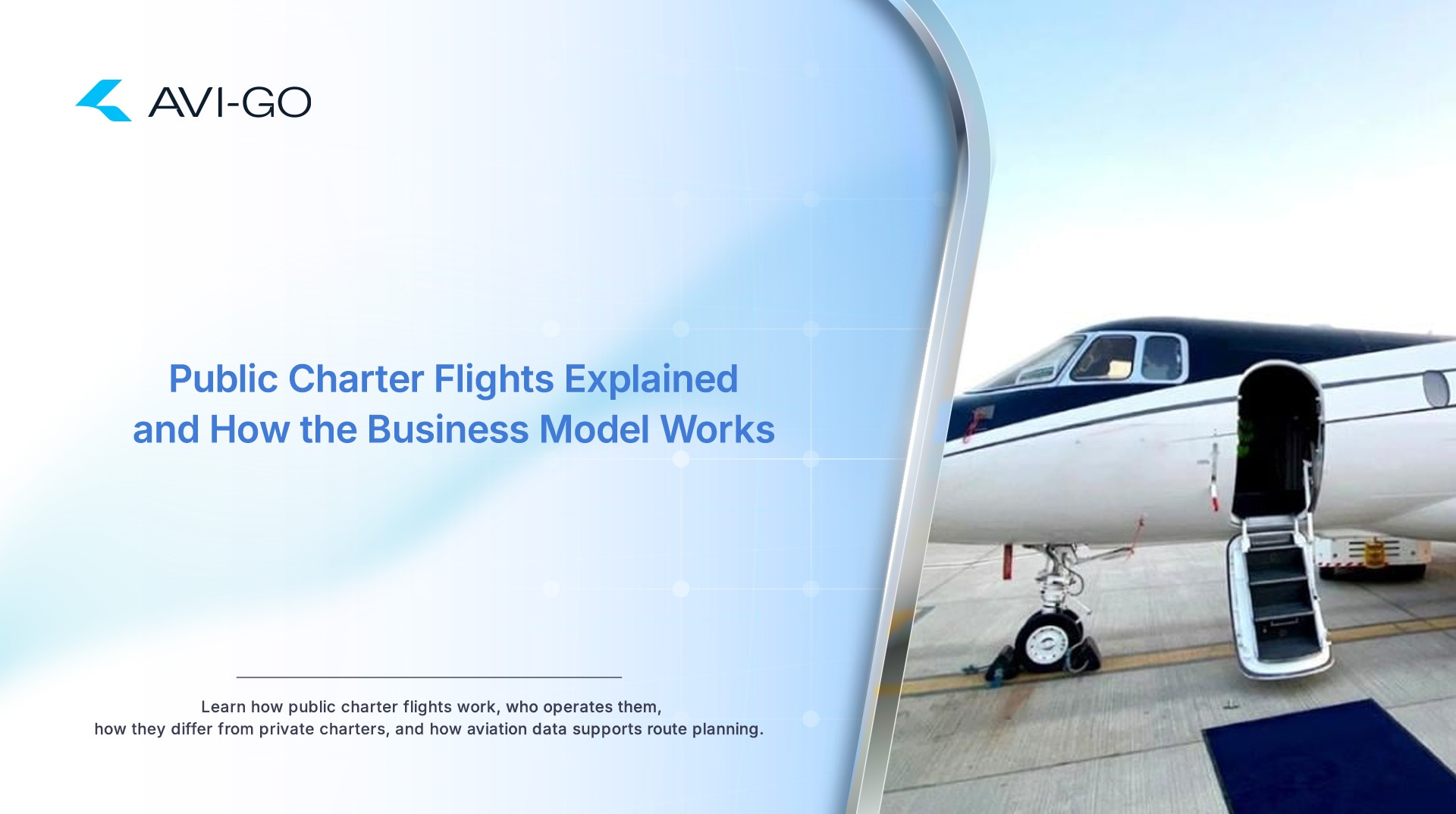
Public charter flights allow passengers to purchase individual seats on aircraft chartered for a specific route, date or travel program. Although they may resemble scheduled airline services, their commercial and operational structure is different.
Understanding that structure is important for passengers as well as charter organizers, brokers and aviation businesses evaluating new flight opportunities.
What Are Public Charter Flights?
A public charter flight is arranged when a company contracts aircraft capacity from an air carrier and offers seats to the public.
Unlike a private charter, where one customer typically books the entire aircraft, passengers on a public charter can purchase seats individually.
The flight may be offered as air-only transportation or as part of a package that includes accommodation, events or other travel services.
In the United States, interstate and international public charter operations are generally regulated under 14 CFR Part 380.
Who Operates a Public Charter Flight?
A public charter usually involves two separate parties.
The public charter operator organizes the program, determines the route, markets the flight and sells seats. Despite its title, this company may not physically operate the aircraft.
The direct air carrier supplies the aircraft, qualified crew and air transportation.
This distinction matters because the brand selling the seats may be different from the carrier responsible for conducting the flight.
For public charters covered by US regulations, the organizer must submit a charter prospectus and obtain acceptance from the Department of Transportation before advertising, selling or accepting payment for the program.
Public Charter vs Private Charter
The main difference is what the customer purchases.

Public charters can make chartered aircraft capacity accessible to more passengers, while private charters provide greater privacy, flexibility and schedule control.
Why Businesses Organize Public Charter Flights
Public charter programs are commonly created around identifiable travel demand, including:
- Seasonal leisure routes
- Major sporting and entertainment events
- Corporate or employee transportation
- Resort and casino packages
- Group and educational travel
- Markets with limited nonstop airline service
The organizer normally contracts aircraft capacity before every seat has been sold. As a result, the commercial success of the program depends on demand forecasting, pricing and load factor.
A simple calculation is:
Break-even seat price = Total program cost ÷ Expected paying passengers
Actual planning must also account for positioning, airport charges, handling, crew requirements, distribution costs and operational contingencies.
How Aircraft Are Selected
The term “public charter” describes the commercial arrangement, not a particular aircraft type. A program may use a regional aircraft, business jet or commercial airliner.
Aircraft selection can depend on:
- Expected passenger volume
- Route distance
- Airport and runway limitations
- Baggage requirements
- Aircraft availability
- Cabin configuration
- Operating and positioning costs
- Backup capacity
Choosing an aircraft that is too large can create unnecessary financial exposure. Choosing one that is too small may limit revenue or require additional flights.
How Aviation Data Supports Public Charter Planning
Before launching a route, charter businesses need to understand whether sufficient demand and operational capacity exist.
Relevant research may include historical airport activity, seasonal traffic patterns, frequently operated aircraft types, available operators, alternative airports and major-event traffic.
Avi-Go helps aviation professionals evaluate these factors through business aviation data, aircraft and operator intelligence, airport activity analysis and market research tools.
By combining operational data with commercial planning, charter organizers and relevant aviation businesses can make better-informed decisions about routes, aircraft capacity and potential market opportunities.
Explore business aviation data and planning tools with Avi-Go.
Hidden Fees on Discounted Empty Leg Charters


Best Empty Leg Flights Website for Charter Brokers
How Often Do Planes Crash? Understanding Business Aviation Safety Statistics
Ready to Supercharge
Your Business Aviation Tech Stack with AI and Data?
Sign up free and start using the tools available in your chosen plan.
Discover how our aviation technology helps you work more efficiently and grow with confidence.
Subscribe to the Avi-Go Newsletter
Business aviation data, insights, and trends — trusted by 10,000+ professionals worldwide.