Fraud Prevention for Air Charter Brokers and Operators in Private Aviation


Introduction
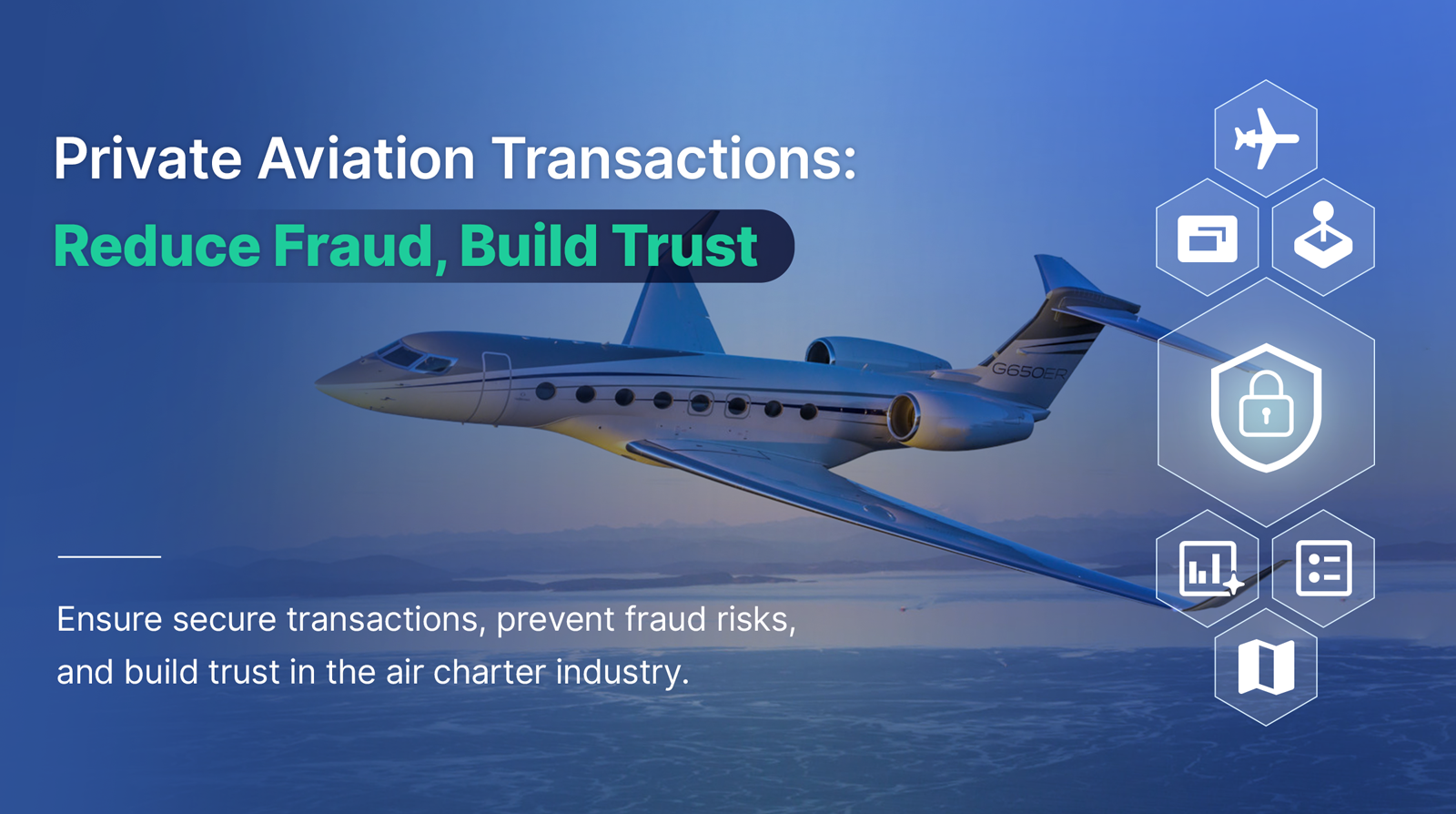
March marks Fraud Awareness Month, a crucial time for industries to spotlight financial security and risk prevention. In private aviation, where high-value transactions are routine, fraud risks have become an increasing concern—especially for air charter brokers and operators who facilitate complex deals. From wire fraud schemes to misrepresented aircraft ownership, fraudulent activities can lead to significant financial losses and reputational damage.
As fraud tactics evolve, business owners and industry professionals must stay vigilant. This article explores key fraud risks in private aviation and provides actionable strategies for air charter brokers, operators, and stakeholders to safeguard transactions. By understanding common threats and implementing preventive measures, industry professionals can ensure secure, transparent, and trustworthy business operations.
The Growing Fraud Risks in Private Aviation: What Brokers and Operators Need to Know
Fraud in private aviation is becoming an increasingly pressing concern. While not uncommon, the evolving nature of transactions and digital interactions has created new vulnerabilities that brokers, operators, and other industry professionals must address. Understanding why fraud occurs and where the risks lie is essential to protecting businesses and clients.
Why Private Aviation is at Risk for Fraud
Several factors contribute to the fraud risks in private aviation, making it crucial for brokers and operators to stay vigilant:
- High-Value Transactions Attract Fraudsters: Aircraft transactions involve substantial sums, often reaching millions of dollars. Whether it’s an aircraft sale, lease, or charter agreement, such large financial exchanges naturally draw fraudsters looking for opportunities to exploit gaps in security. Fraud in these high-stakes deals can involve fake ownership claims, falsified documentation, or financial misrepresentation, leading to severe financial and legal consequences.
- Complex Deals Involving Multiple Intermediaries: Private aviation transactions are rarely straightforward. They typically involve various parties, including brokers, operators, legal teams, and financiers. The more players involved, the greater the chance for miscommunication, misrepresentation, or fraudulent activity to slip through unnoticed. Unscrupulous intermediaries may manipulate pricing, provide misleading information, or even pose as legitimate brokers to scam unsuspecting clients.
- Digital Transactions and Cyber Fraud: The industry’s shift toward digital contracts, remote transactions, and online communications has made fraud more sophisticated. Cybercriminals use phishing scams, email impersonation, and fraudulent payment redirections to deceive brokers, operators, and clients. Without strict verification processes, even experienced professionals can fall victim to fraudulent schemes orchestrated through digital channels.
By recognizing these risks and implementing robust fraud prevention strategies, brokers and operators can safeguard transactions, maintain industry integrity, and protect their clients from financial loss.
Key Fraud Mitigation Strategies
To safeguard against the increasing threat of fraud, private aviation professionals must implement comprehensive strategies that address various aspects of transactions and operations. Below are key measures to consider:
1. Conduct Comprehensive Due Diligence
Thoroughly verify the identities and backgrounds of all parties involved in a transaction, including buyers, sellers, and intermediaries. Engaging reputable professionals with industry expertise can significantly reduce the risk of fraud.
2. Implement Secure Payment Practices
Utilize escrow accounts managed by trusted financial institutions to ensure funds are only released when all contractual obligations are met. Additionally, verify bank details before initiating transfers to prevent unauthorized transactions.
3. Ensure Legal Compliance and Conduct Thorough Documentation Reviews
Perform comprehensive legal checks, including title searches, to confirm legitimate ownership and ensure regulatory compliance. Engaging legal advisors who specialize in aviation transactions can provide valuable insights and help navigate complex legal landscapes.
4. Strengthen Cybersecurity Measures
Implement robust cybersecurity protocols, such as multi-factor authentication and encrypted communication channels, to protect against cyber threats. Regularly updating these protocols is essential to prevent unauthorized access and data breaches.
5. Collaborate with Industry Experts
Engage experienced air charter brokers and operators, legal advisors, and aviation consultants to add an extra layer of security. These professionals can identify potential red flags and ensure that transactions are conducted securely and in compliance with industry standards.
By integrating these strategies into their operations, private aviation professionals can significantly reduce the risk of fraud, ensuring safer and more secure transactions for all parties involved.
Industry Best Practices & Regulations for Fraud Prevention

To prevent fraud in private aviation, it’s crucial to follow established industry guidelines. The NBAA emphasizes conducting thorough due diligence on all parties involved, and ensuring transparency in all transactions. These practices are vital for maintaining integrity in the air charter marketplace.
Compliance with international regulations, such as ICAO standards and FATF guidelines, further enhances fraud prevention efforts. These regulations ensure that aircraft transactions are secure and free from illegal financial activities, particularly in high-value deals.
Additionally, cybersecurity has become essential in safeguarding transactions. Business aviation professionals are advised to implement measures like multi-factor authentication, encrypted communications, and secure payment systems to protect sensitive data from cyber threats and fraud.
Conclusion
Fraud prevention is essential for maintaining trust and security in private aviation transactions. Given the high-value nature of deals and the complexity of the industry, stakeholders must implement strong security measures, including due diligence, secure payment processes, and regulatory compliance. By doing so, businesses can minimize fraud risks and ensure safe, transparent transactions.
For a more secure and seamless experience, consider Avi-Go’s air charter marketplace. Our platform connects you with trusted air charter brokers and operators, ensuring safe and reliable deal closing procedure. Register now to access a secure marketplace designed to protect your business and streamline your aviation needs.


Private Jet Solutions: Ownership, Leasing, and Chartering Compared

Maximizing Revenue: How Air Charter Operators Enhance Operational Efficiency

Private Jet Charter Cost Estimator and Airline Price Predictor
Ready to Supercharge
Your Business Aviation Tech Stack with AI and Data?
Sign up free and start using the tools available in your chosen plan.
Discover how our aviation technology helps you work more efficiently and grow with confidence.
Subscribe to the Avi-Go Newsletter
Business aviation data, insights, and trends — trusted by 10,000+ professionals worldwide.