
What Is Business Aviation and How Is It Different From Aviation?


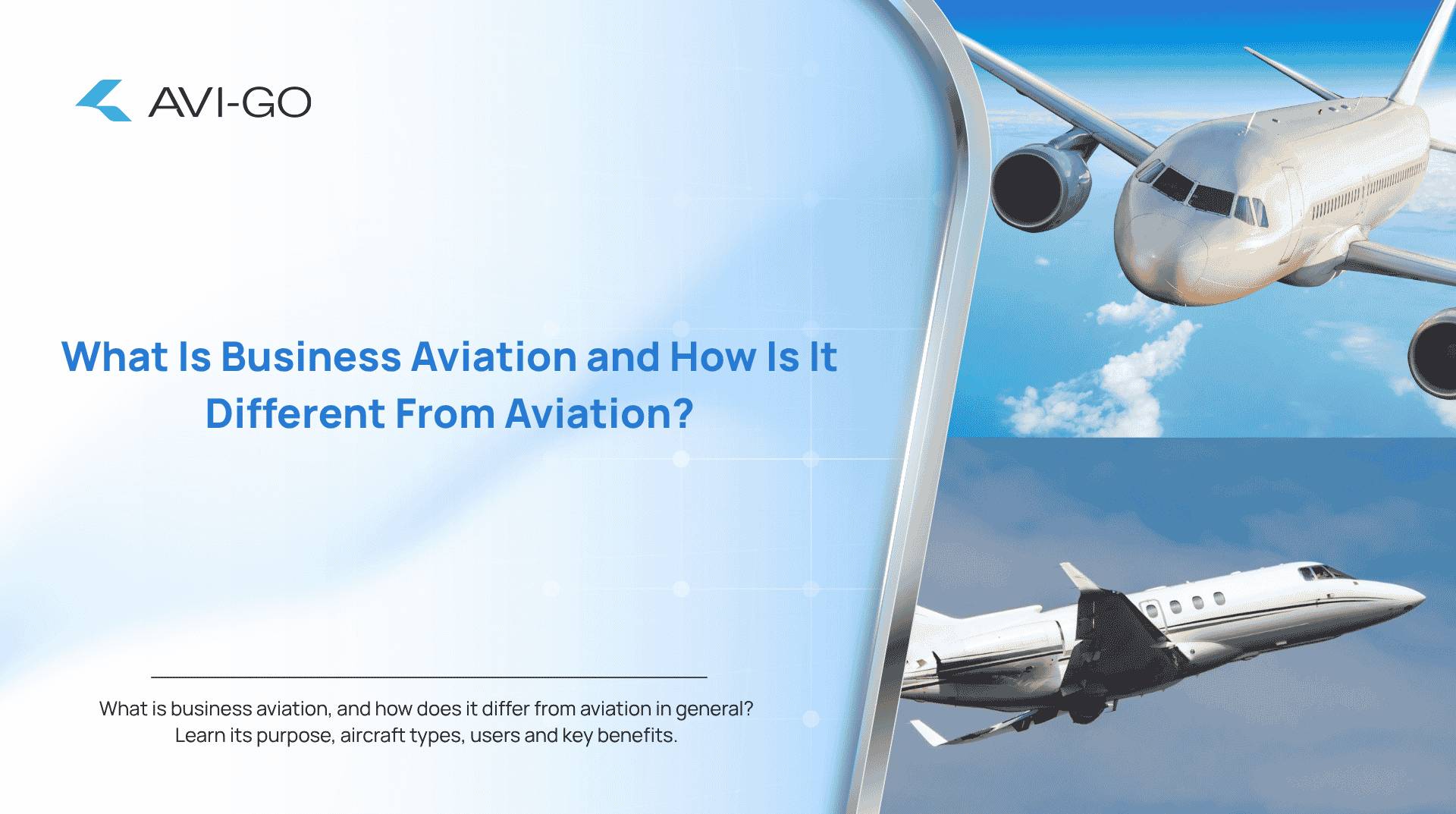
When people hear the word aviation, they often think of commercial airlines, airports and large passenger aircraft. However, aviation is a much broader industry that includes many different types of flight operations.
One important segment is business aviation, which focuses on using aircraft for business-related purposes.
What Is Aviation?
Aviation is the general term for all activities involving aircraft and air travel.
It includes:
- Commercial airlines
- Air cargo
- Military aviation
- Private aviation
- Business aviation
- Flight training
- Emergency and medical flights
- Recreational flying
- Helicopter operations
In simple terms, aviation is the overall industry. Business aviation is one part of it.
What Is Business Aviation?
Business aviation is the use of an aircraft to support a business or professional purpose.
This may include transporting:
- Company executives
- Employees
- Clients
- Engineers
- Medical teams
- Government representatives
- Time-sensitive equipment
Business aviation is often associated with private jets, but it also includes turboprops, piston aircraft and helicopters.
The aircraft type does not define business aviation. The purpose of the flight does.
For example, a company chartering an aircraft to visit several project sites is using business aviation. A family chartering the same aircraft for a holiday is using private aviation.
Business Aviation vs Aviation
The main difference is scope.

Aviation is the umbrella term, while business aviation is a specialised category within it.
Is Business Aviation the Same as Private Aviation?
The two terms overlap, but they are not exactly the same.
Private aviation generally refers to flights outside scheduled airline services. These flights may be for business or personal travel.
Business aviation specifically refers to flights supporting a business objective.
Examples include:
- A private jet used for a holiday is private aviation.
- A private jet used for company meetings is business aviation.
- A helicopter carrying engineers to a remote site is business aviation.
- A privately owned aircraft used for recreation is not necessarily business aviation.
The difference depends mainly on why the aircraft is being used.
Is Business Aviation Part of General Aviation?
Yes. Business aviation is generally considered part of general aviation.
General aviation covers many civil operations outside scheduled airlines, including:
- Recreational flights
- Flight training
- Private flying
- Aerial work
- Business travel
Business aviation is the business-focused segment of this wider category.
How Business Aviation Works
Businesses can access aircraft in several ways.
Aircraft Charter
A company hires an aircraft for a specific trip. Charter is suitable for occasional travel, urgent missions or routes with limited airline service.
Corporate Aircraft Ownership
Some companies own and operate their own aircraft. This provides greater control, but also involves maintenance, crew and operating costs.
Fractional Ownership
Several customers share access to an aircraft or fleet through a fractional ownership programme.
Aircraft Management
Owners may appoint a management company to handle crew, maintenance, compliance and scheduling.
Jet Cards and Memberships
These programmes provide aircraft access under predefined commercial terms.
Why Do Companies Use Business Aviation?
Business aviation offers greater flexibility than scheduled airline travel.
Flexible Scheduling
Flights can be arranged around meetings, project timelines and operational priorities.
Access to More Airports
Business aircraft can often use smaller regional airports closer to the final destination.
Multi-City Travel
Teams can visit several cities within one itinerary without depending on airline schedules.
Productive Travel Time
A private cabin allows passengers to work, prepare for meetings or hold confidential discussions.
Faster Response
Companies can respond more quickly to urgent customer needs, technical problems or business opportunities.
Business aviation is therefore not only about comfort. Its main value is efficiency, access and operational control.
What Aircraft Are Used?
Business aviation includes several aircraft categories.
- Piston aircraft for short regional flights
- Turboprops for efficient travel and shorter runways
- Light jets for small groups and shorter routes
- Midsize jets for longer regional journeys
- Heavy jets for long-distance and international travel
- Helicopters for direct access to locations without suitable airports
The most suitable aircraft depends on distance, passenger numbers, airport conditions, baggage and budget.
Who Uses Business Aviation?
Business aviation is not limited to large corporations.
It is also used by:
- Small and medium-sized businesses
- Medical organisations
- Sports teams
- Government departments
- Energy companies
- Infrastructure companies
- Media and production teams
- Professional service firms
- Humanitarian organisations
A company does not need to own an aircraft. It may charter one only when a specific business need arises.
The Role of Data in Business Aviation
Business aviation operates across a constantly changing network of aircraft, airports, operators and routes.
Data can help industry professionals understand:
- Aircraft locations
- Operator activity
- Airport traffic
- Flight routes
- Empty-leg availability
- Fleet utilisation
- Regional demand
- Market trends
This information supports aircraft sourcing, charter planning, market analysis and commercial decision-making.
How Avi-Go Supports Business Aviation
Avi-Go connects business aviation data, artificial intelligence, marketplace services and operational tools in one ecosystem.
Through Avi AI, Avi Market, Avi Data and Avi Tools, users can access capabilities such as:
- Aircraft and operator lookup
- Live flight tracking
- Aircraft search
- Charter opportunity discovery
- Empty-leg data
- Aviation reports
- Cost and flight calculators
- AI-powered market intelligence
Avi-Go helps brokers, operators, aircraft owners and other aviation professionals turn complex market information into practical business decisions.
Final Thoughts
Aviation covers the complete world of aircraft and air travel. Business aviation is a specialised part of that industry focused on helping organisations travel more efficiently and flexibly.
Its value comes from greater scheduling control, access to more airports, productive travel time and the ability to respond quickly to business needs.
With data and AI playing a growing role in the industry, platforms such as Avi-Go help professionals understand aircraft activity, market demand and commercial opportunities more effectively.
Explore business aviation data, aircraft, operators and intelligent tools with Avi-Go.
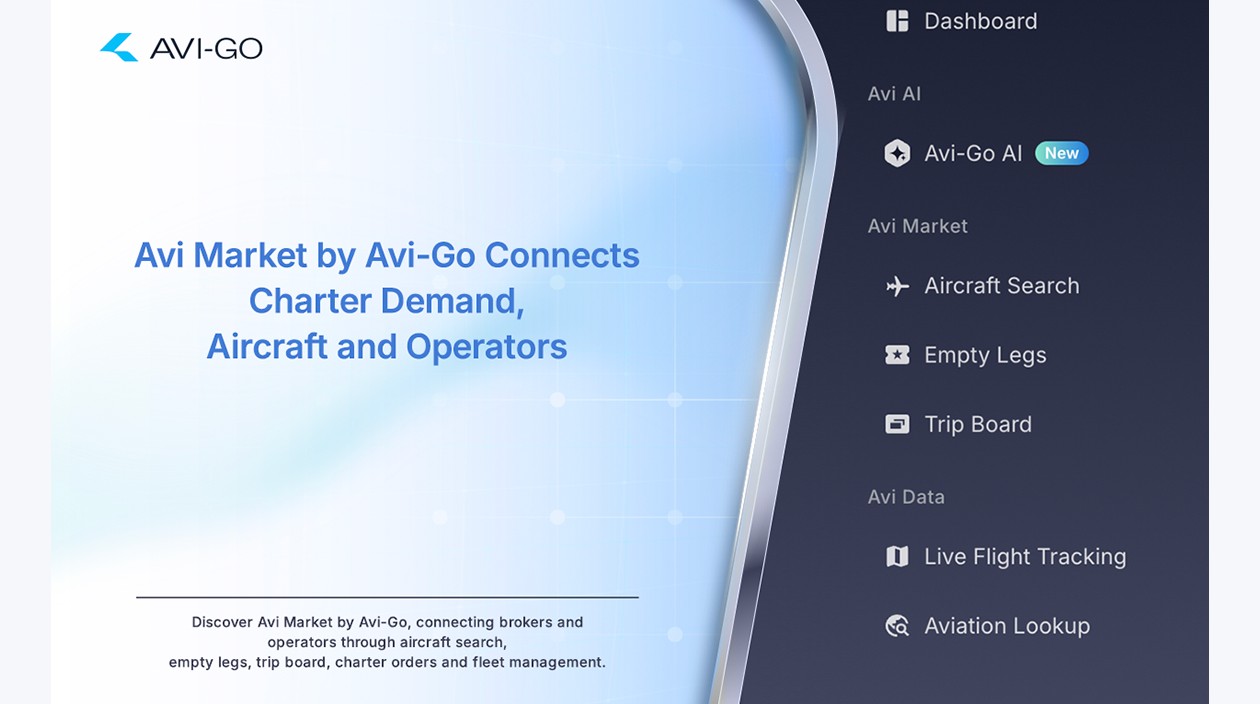
Avi Market by Avi-Go Connects Charter Demand, Aircraft and Operators


What Are Aviation Business Brokers? Roles, Services and How to Choose One

Business Aviation in Australia Shows Mid-Year Recovery After Strong Q1 2026
Ready to Supercharge
Your Business Aviation Tech Stack with AI and Data?
Sign up free and start using the tools available in your chosen plan.
Discover how our aviation technology helps you work more efficiently and grow with confidence.
Subscribe to the Avi-Go Newsletter
Business aviation data, insights, and trends — trusted by 10,000+ professionals worldwide.