Avoiding Common Pitfalls in Business Aircraft Charter: A Guide for Brokers and Operators


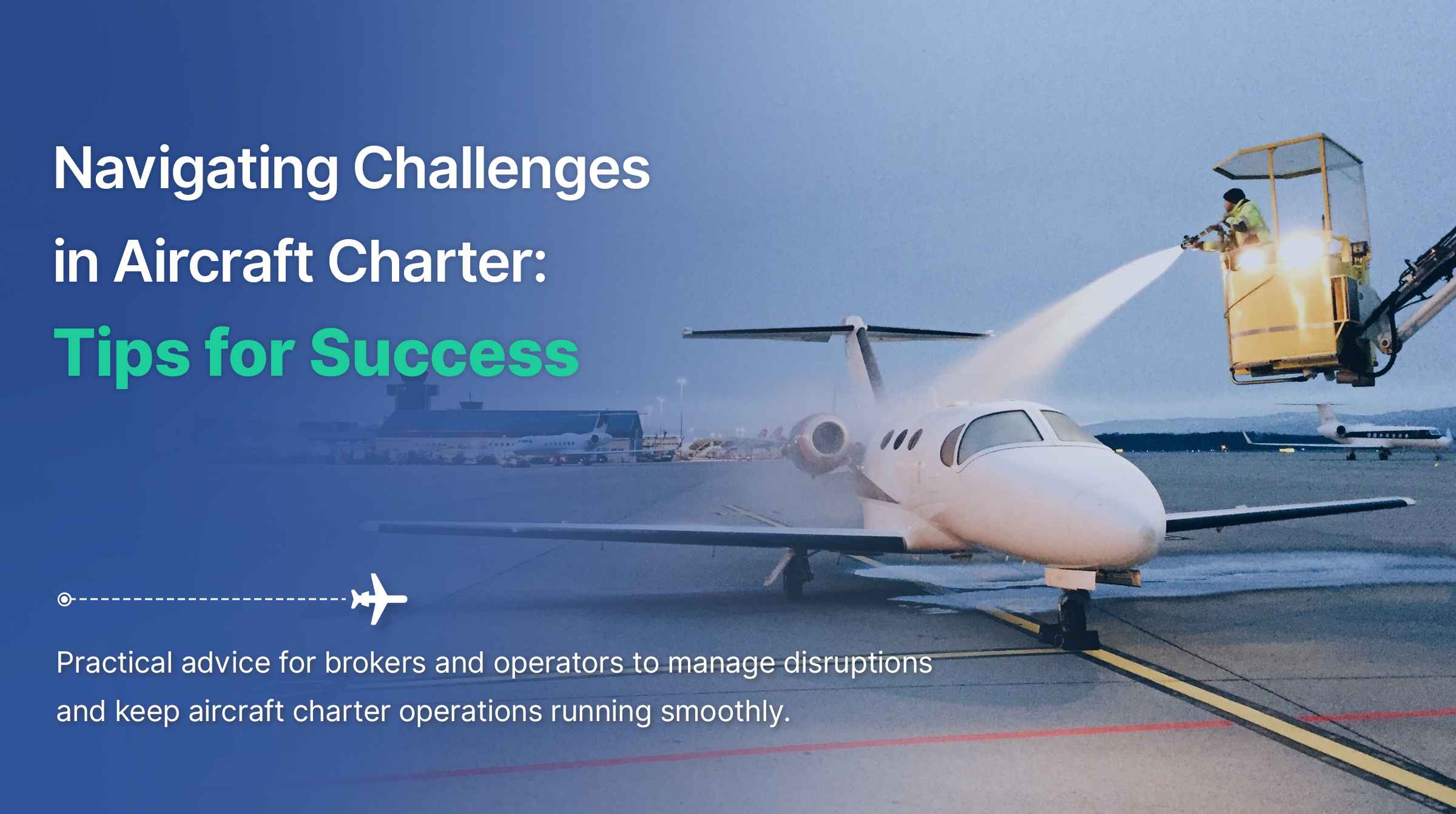
The Unseen Hurdles in Aircraft Charter Operations
Private aviation comes with a unique set of challenges that can make even the best-planned operations feel uncertain at times. While there are established systems in place, air charter brokers and operators often have to adapt to a variety of unexpected circumstances—from last-minute client changes and weather disruptions to complex regulatory hurdles. These uncertainties can introduce a level of unpredictability that requires constant flexibility and quick decision-making.
What might seem like a small oversight or a minor miscommunication can quickly escalate, affecting everything from safety and operational efficiency to client satisfaction and budget management. When these hurdles arise, they can lead to costly delays or even threaten client relationships if not addressed swiftly.
Blurred Lines Between Brokers and Operators: A Risky Grey Area
In private aviation, the distinction between brokers and operators is often unclear, leading to potential risks for both parties. Brokers may sometimes mislead clients by suggesting they have access to a particular fleet or crew that they don't actually control. This can lead to:
- Last-minute aircraft substitutions or scheduling issues
- Safety concerns if the aircraft or crew are not as promised
- Client dissatisfaction if expectations aren't met
On the other hand, operators may partner with unfamiliar brokers to secure business. However, the lack of globally recognized standards for air charter brokering can expose operators to risks such as:
- Miscommunications about client needs or aircraft availability
- Legal and financial liabilities if the broker fails to deliver
- Damage to reputation if the broker misrepresents the services
Solutions to Mitigate Risks:
- Clear Communication: Brokers and operators should maintain open and transparent communication about aircraft availability, crew details, and expectations.
- Formal Agreements: Establish written contracts outlining each party’s responsibilities to avoid misunderstandings.
- Vet Brokers Carefully: Operators should thoroughly vet brokers before entering into partnerships, checking for reputation and ethical standards. For example, Avi-Go, the global air charter marketplace, partners with a network of trusted brokers. By doing so, Avi-Go helps maintain a healthy relationship with operators, ensuring that only reliable brokers are part of the network. This process not only builds trust but also ensures the smooth flow of operations and protects all parties involved.
- Set Boundaries: Both brokers and operators need to have clearly defined roles to avoid overstepping and ensure the correct service is provided.
- Industry Collaboration: Encourage industry standards or certification programs for brokers to increase accountability and professionalism.

The Challenge of Hidden Fees in Charter Aviation
Hidden fees can quickly turn a well-planned flight into an unexpectedly expensive experience. While many operators strive for transparency in their pricing, some surcharges remain elusive until the final bill. These unexpected costs often include things like:
- Airport handling fees that can vary widely depending on location
- Crew overnight stays or hotel accommodations
- Special services , like the use of an Auxiliary Power Unit (APU) during ground operations, especially on long layovers
It’s important to note that even when operators offer a quote that seems all-inclusive, there may still be unspoken variables —such as international customs charges or de-icing services in winter—that can inflate the final cost.
For clients, this lack of transparency means budgeting becomes a guessing game. A quote that seemed like a great deal can end up being much higher than anticipated due to these undisclosed fees . Not only does this cause financial strain , but it also damages trust in the relationship between the client and the operator. Clients may feel misled, leading to frustration, especially when they’re not given a heads-up about the additional charges before finalizing the booking.
Building Trust Through Transparency
To avoid the pitfalls of hidden fees, operators should prioritize clear, upfront communication. Here's how:
- Provide a Detailed Breakdown: While the initial quote may cover most costs, it’s essential to disclose potential surcharges at the outset. This includes things like fuel surcharges, handling fees, or charges for seasonal services. Clients appreciate knowing what they’re likely to pay, even if some costs are variable.
- Use Technology for Clear Pricing: Many private aviation companies are now leveraging digital platforms to offer real-time, all-inclusive quotes. By using automated systems that account for variables like fuel price changes, airport fees, and crew-related expenses, operators can offer a much more precise estimate to clients upfront.
- Build Client Trust Through Education: Instead of leaving clients in the dark, educating them about the pricing structure and what goes into a charter flight can help demystify the process. A little transparency goes a long way in maintaining a healthy business relationship.
Flexibility in Scheduling
Scheduling flexibility often encounters challenges due to the FAA Part 117 regulations, which set strict limitations on pilot duty hours. These rules dictate that pilots can only work 9 to 14 hours depending on the flight's start time, with a cap of 8 flight hours during any duty period.
For charter operators, this means that last-minute changes, delays, or cancellations can create significant operational headaches. Crew duty time limits often lead to situations where:
- Same-day return trips may require last-minute crew changes.
- Unplanned overnight stays may be necessary if a crew exceeds their allowable duty time.
Such regulatory constraints complicate the ability to accommodate last-minute alterations to the flight schedule, making it difficult to maintain the flexibility that many clients expect. With crew availability and duty period restrictions in play, these operational limits can lead to inevitable disruptions in flight planning.
Flexibility Solutions Under FAA Part 117
When last-minute changes or cancellations disrupt flight schedules, FAA Part 117 regulations on pilot duty time can make things more complicated. These rules, which limit pilots to 9-14 hour duty periods, often force operators into tough situations. However, there are ways to manage these constraints without sacrificing flexibility.
- Build Buffer Time Into Schedules: Operators can avoid potential disruptions by adding extra time between flights. This small adjustment helps absorb delays and gives crews more room to stay within duty time limits.
- Use Backup Crews: For longer flights, planning for backup crews in advance can prevent delays. If one crew is approaching their limit, a second crew can take over, keeping the trip on track.
- Real-Time Monitoring and Communication: Using real-time tools to track crew duty times and flight progress ensures any issues are identified early. This allows operators to communicate promptly with clients and manage expectations, even if delays arise.
The Impact of Weather on Private Jet Scheduling
Despite the flexibility of private jets compared to commercial airlines, weather-related disruptions remain a significant challenge. Even though private jets can often adjust their flight paths more quickly, they are still subject to the same airspace flow limitations during severe weather events.
For instance:
- Thunderstorm avoidance typically adds an average of 23 minutes to flight times during the summer.
- In winter, de-icing procedures can cause 35-minute delays before departure.
These delays, while seemingly small, can have a ripple effect on subsequent flights, especially for charter operators managing tight schedules. Crew duty time limitations , availability of aircraft, and rebooking challenges can escalate, potentially leading to even greater delays.
How to Mitigate Weather-Related Delays:
- Monitor Airport Conditions in Real-Time: Leverage Avi-Go's real-time flight tracking to monitor airport conditions and flight progress, allowing for proactive decision-making. This ensures smoother operations and enables you to take prompt action to minimize weather-related delays.
- Allow Extra Time for Weather-Related Delays: Plan flight schedules with built-in flexibility to accommodate potential de-icing or route diversions .
- Clear Communication: Keep clients informed about any potential weather impacts well in advance, and offer alternative options or adjustments when necessary to manage their expectations.
Conclusion
To avoid common pitfalls in business aircraft charter, brokers and operators must focus on clear communication, careful vetting of partners, and flexibility in scheduling. Utilizing tools like Avi-Go real-time flight tracking helps monitor weather and airport conditions, ensuring smoother operations. By refining processes and maintaining a focus on customer satisfaction, both brokers and operators can enhance service quality and reduce disruptions.

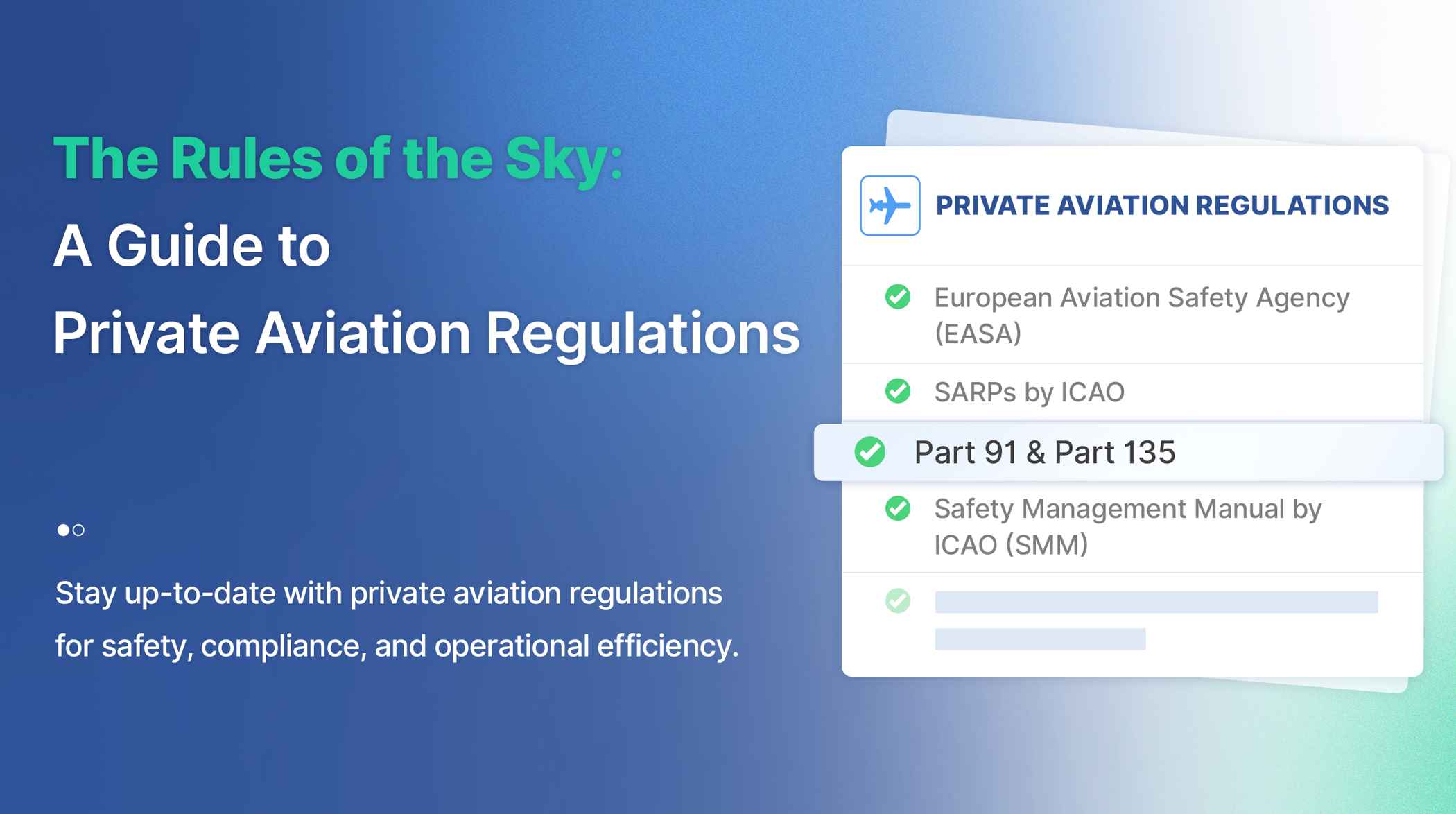
Private Aviation Compliance: Key Regulations and Standards You Need to Know

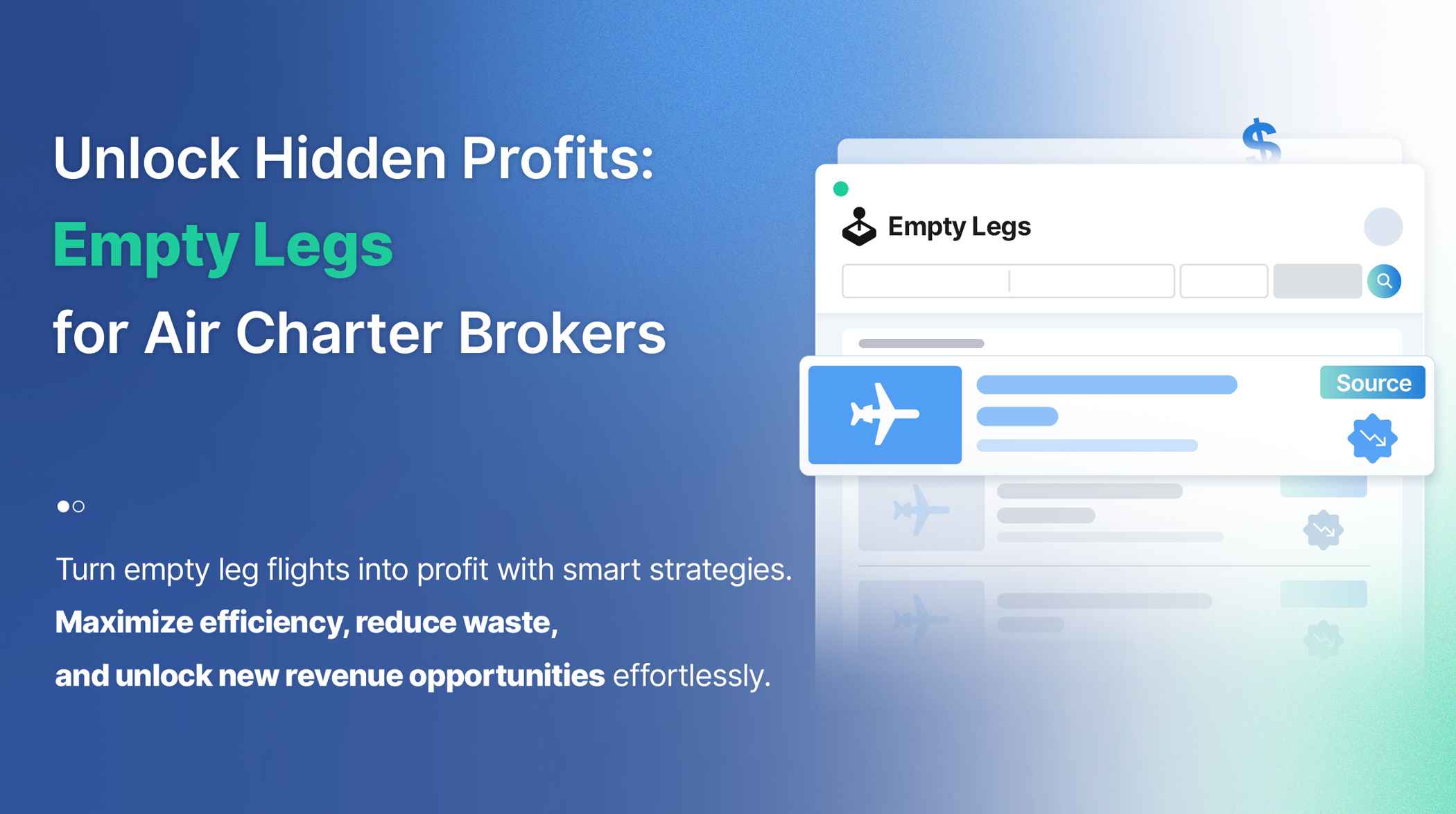
Avi-Go Air Charter Marketplace: Unlock the Full Potential of Empty Legs

Private Jet Charter Cost Estimator and Airline Price Predictor
Ready to Supercharge
Your Business Aviation Tech Stack with AI and Data?
Sign up free and start using the tools available in your chosen plan.
Discover how our aviation technology helps you work more efficiently and grow with confidence.
Subscribe to the Avi-Go Newsletter
Business aviation data, insights, and trends — trusted by 10,000+ professionals worldwide.