St. Cloud Sky Central Airport Updates Strategic Goals With Apron, Fuel, Runway and Terminal Projects
Why It MattersSmall commercial-service airports now stack apron, fuel, runway and terminal work with training partnerships and seasonal air service, showing how regional fields use public grants and local ownership to stay competitive.
What happened
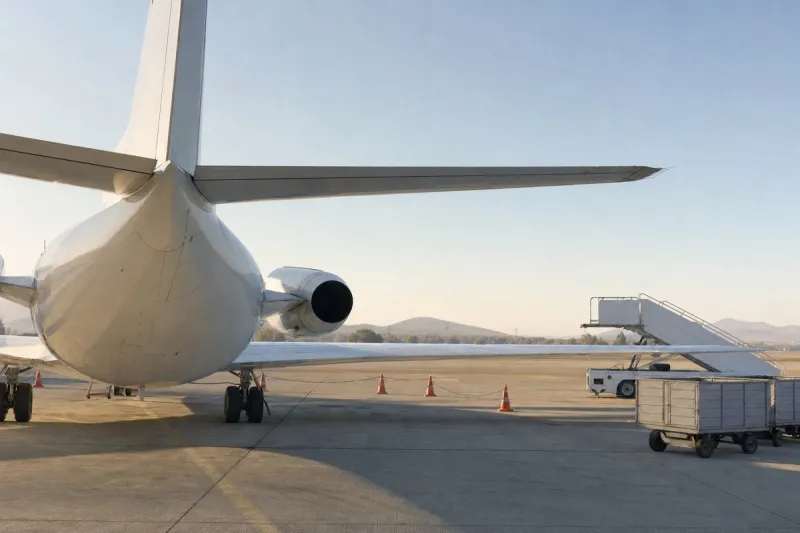
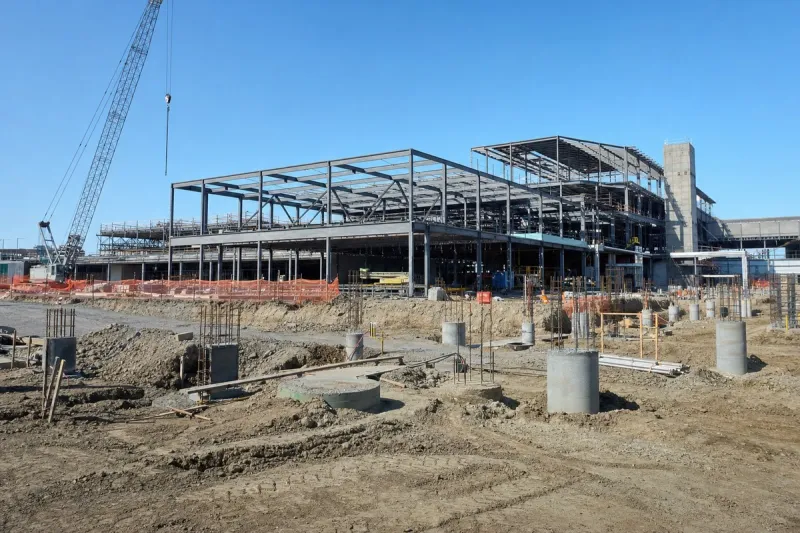
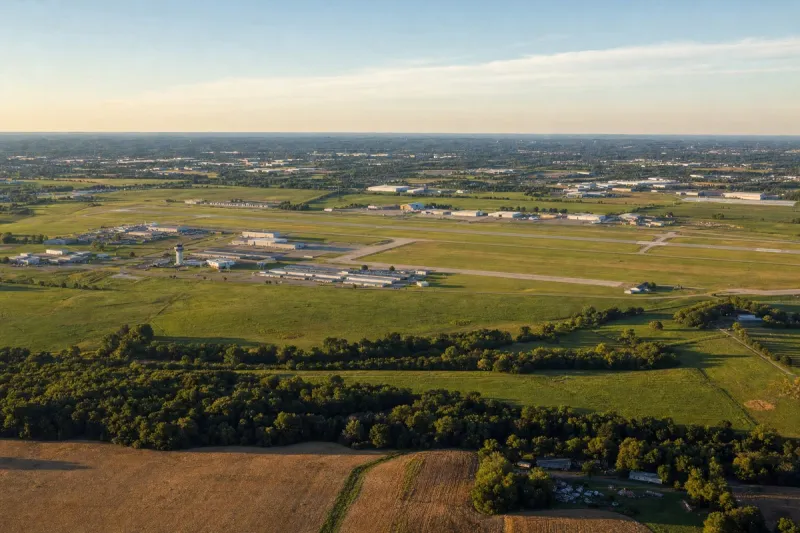
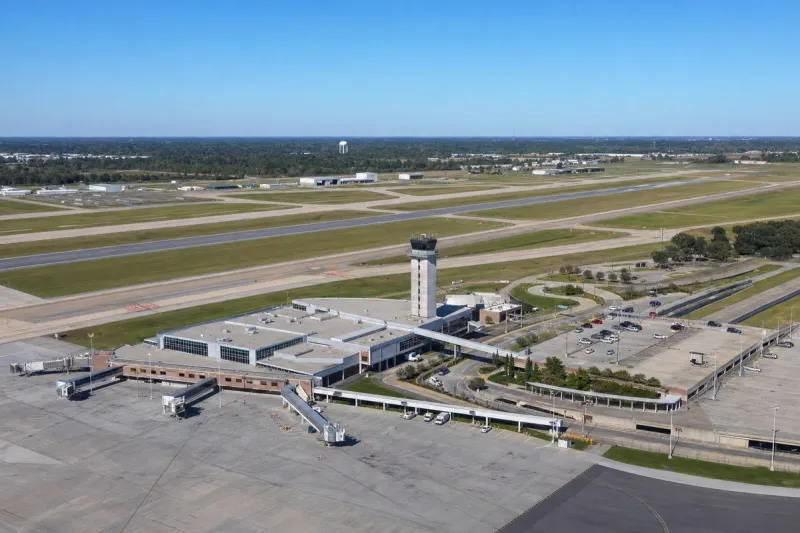
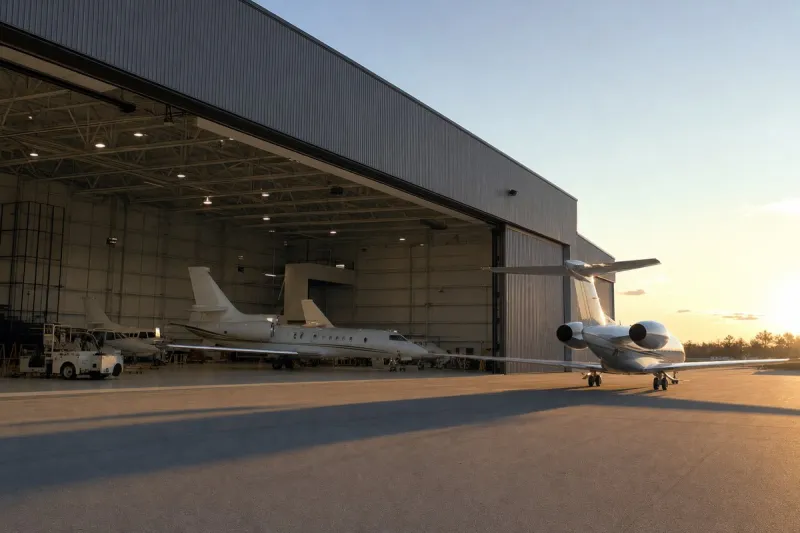
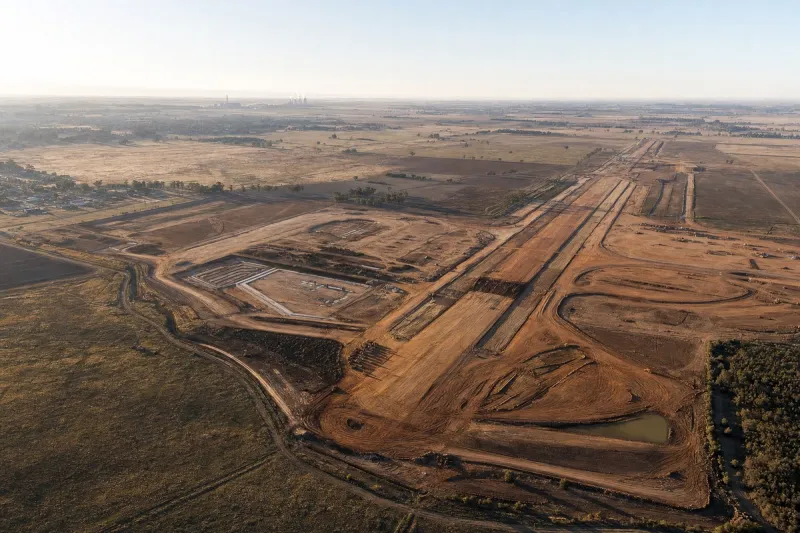
The St. Cloud Regional Airport Authority has updated the strategic goals for St. Cloud Sky Central Airport after progress in several key areas. Construction began this year to reconstruct the general aviation apron, with completion slated for Spring 2027. A new 20,000-gallon Jet-A tank will be added to the fuel farm in the spring.
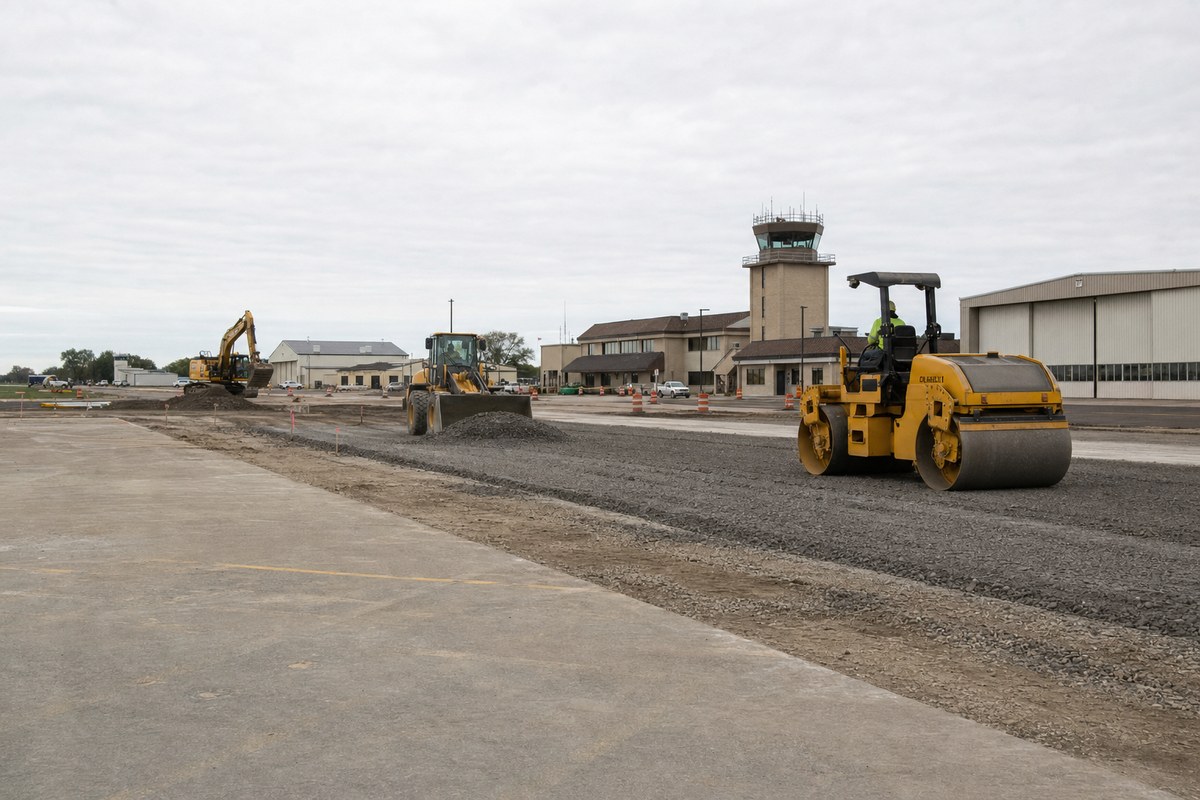
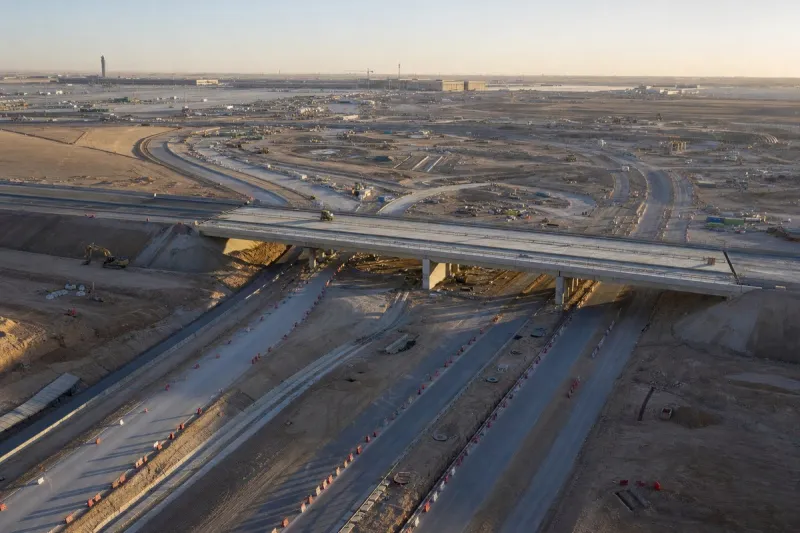
Planned operational upgrades include eliminating the displaced threshold on Runway 31, replacing its Instrument Landing System, and upgrading the blast pads, runway shoulders, marking and edge lighting. About $19 million in state and federal funding has been awarded to the airport over the past few years for these upgrades.
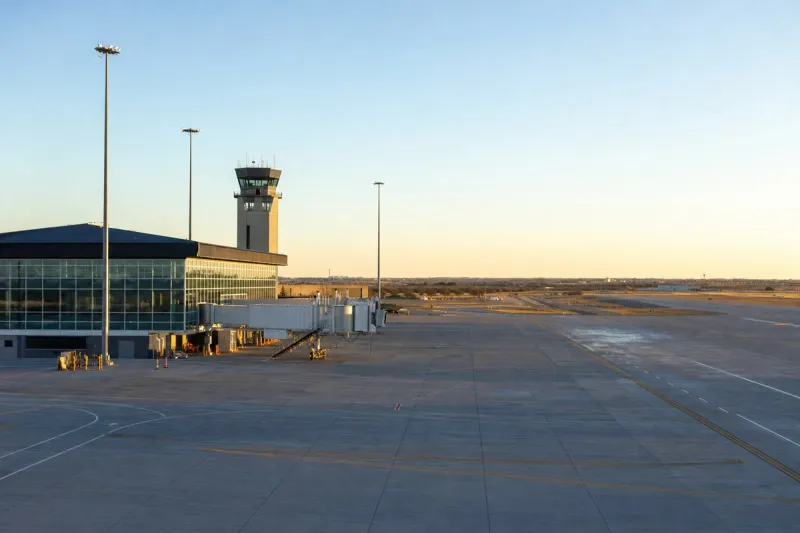
Inside the terminal, a dedicated electronic device charging station has been installed in the waiting area, a private mothers' nursing room has been created, and the Wi-Fi network has been upgraded. Two new restrooms will be built in the terminal waiting area by Fall 2027, and the terminal entrance road and parking lot are scheduled for a complete redesign in 2027, with construction in 2028.
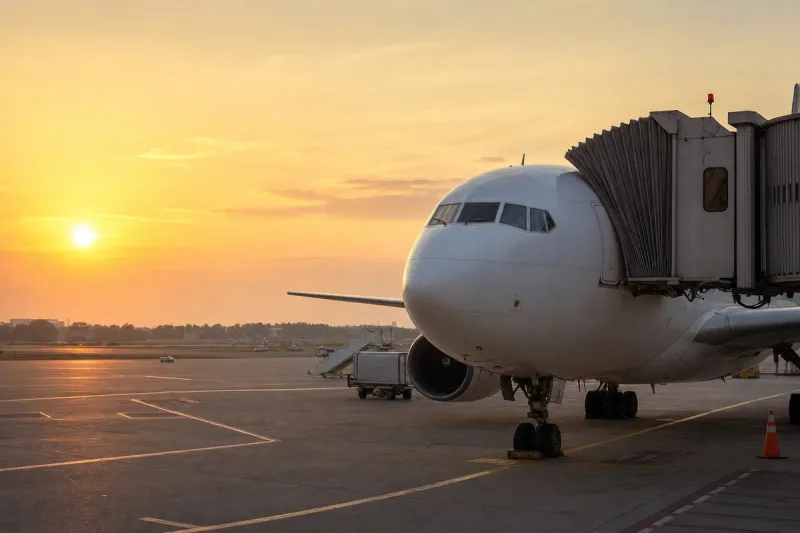
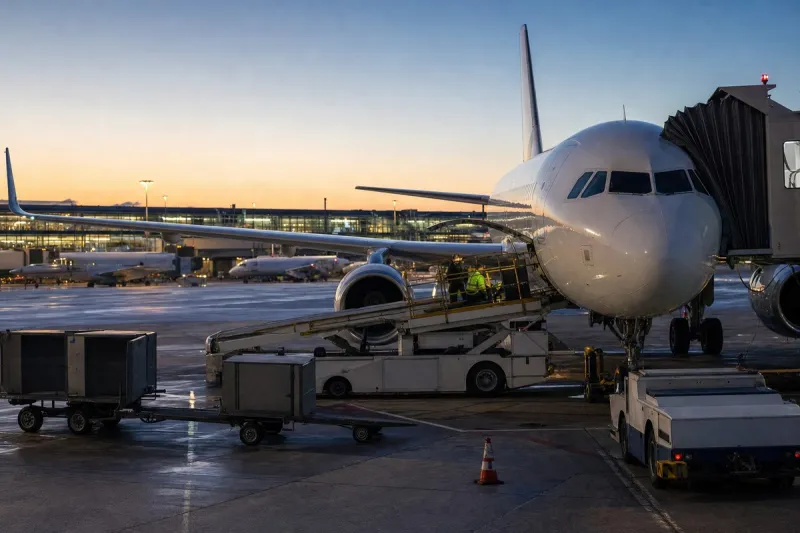
The authority said future air service initiatives will focus on increasing frequencies on existing routes and adding new less-than-daily options. The airport currently has nonstop commercial flights to Mesa, Arizona, and seasonal service to Punta Gorda, Florida, along with seasonal casino charter flight packages to Don Laughlin's Riverside Resort in Nevada.
Recent milestones and the maintenance training partnership
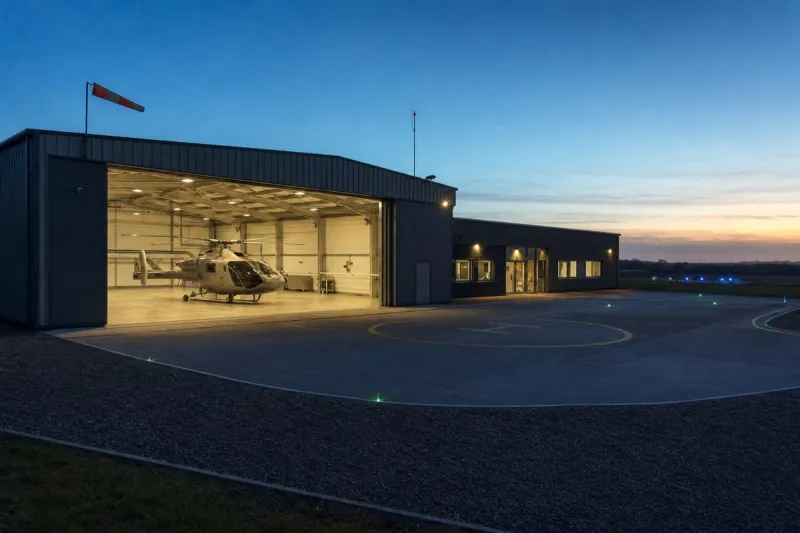
The airport rebranded as St. Cloud Sky Central Airport on September 30, 2025. Paid parking was introduced in 2022 and strengthened its financial foundation, a new firefighting vehicle was purchased in 2024, and the north side of the airfield gained a new 10-unit heated T-hangar and two corporate hangars. The airport also hosted the North Star Air Show in August 2026.
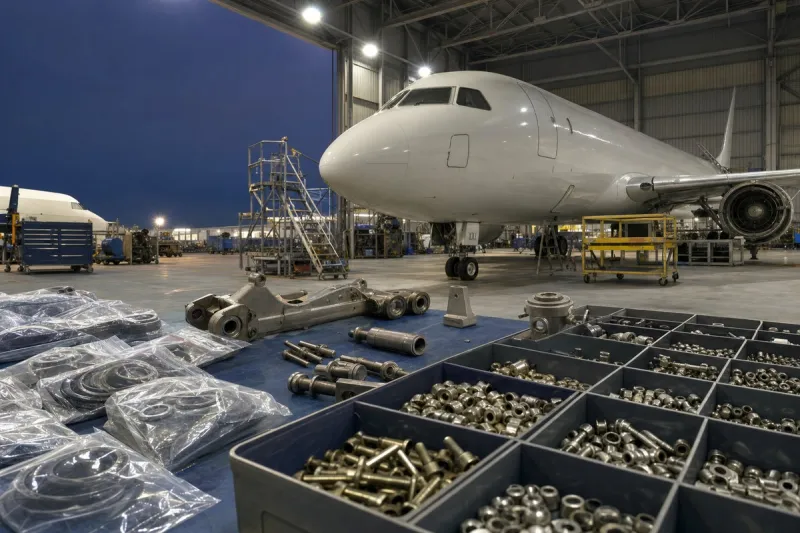
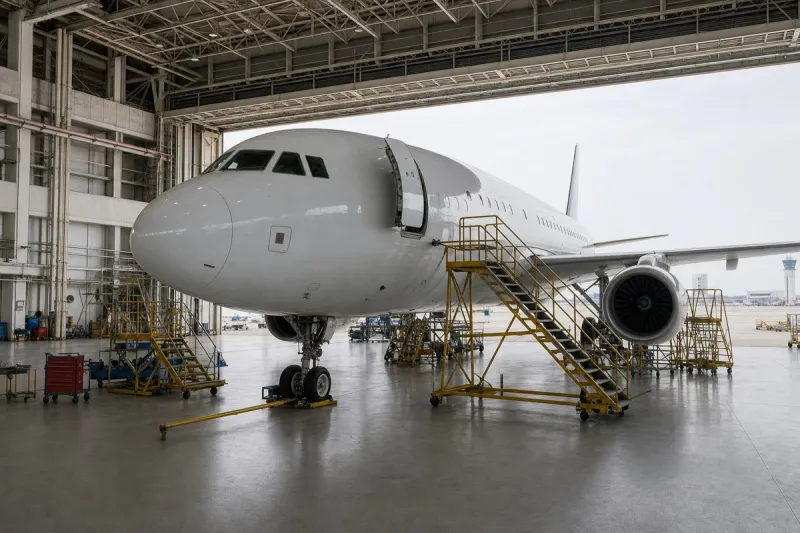
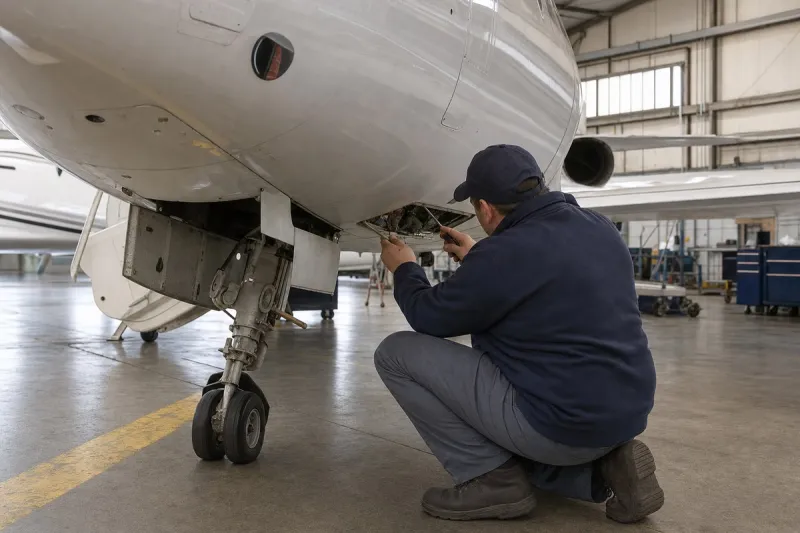
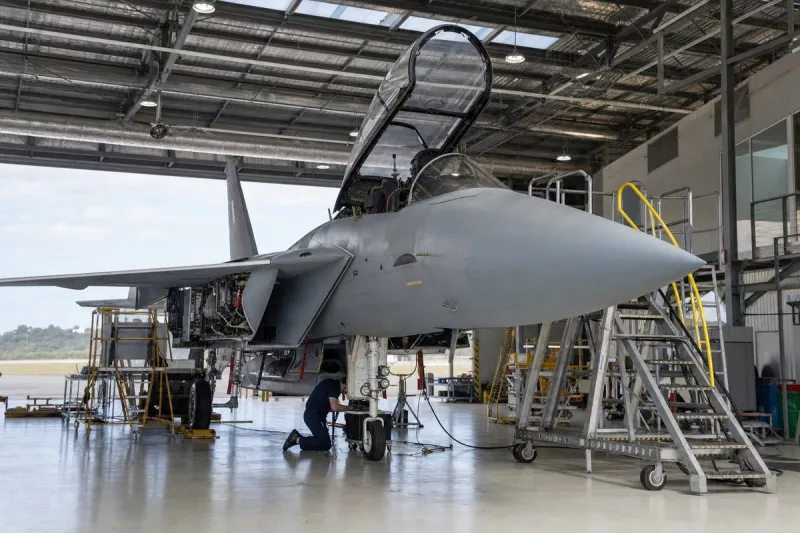
The airport has finalized a partnership with St. Cloud Technical & Community College to base its Aircraft Maintenance Technician Program there, breaking ground in November for Fall 2027 classes.
Ownership and economic footprint
The airport authority is a joint entity created by Benton County, Sherburne County, Stearns County and the City of St. Cloud.
A 2019 Minnesota Department of Transportation study found the airport contributes about $49.2 million annually to the state and local economy, supporting 395 on-site and off-site jobs, and generates nearly $2 million in state and local taxes through aviation-related activity.
Industry impact & what to watch
The St. Cloud plan shows how a small commercial-service airport sequences its capital program. Airside and fuel work comes first: the apron reconstruction, the added Jet-A capacity and the Runway 31 upgrades. Passenger-facing and landside work follows in 2027 and 2028. Funding on this scale typically depends on state and federal grants, which is why the award total features so prominently in the authority's update.
The air service strategy is modest by design. Adding frequencies to existing routes and less-than-daily options is a different bet from chasing new nonstop destinations, and it fits a network built on a Mesa nonstop, seasonal Punta Gorda service and casino charter packages. Revenue sources such as paid parking and hangar rentals support that approach by reducing reliance on airline traffic alone.
The maintenance technician program is the item with a firm date: classes are scheduled to begin in Fall 2027, which makes that term the first point at which the airport's role in technician training can be judged. The terminal entrance road and parking lot construction in 2028 is the later milestone that will show whether the full capital schedule holds.