Amsterdam Schiphol Plans €10 Billion Investment Through 2035 to Overhaul Infrastructure and Restore Quality
Why It MattersA top-three European connecting hub committing to a decade-long rebuild under movement caps signals that slot-constrained airports will chase growth through larger aircraft and operational reliability rather than incentives.
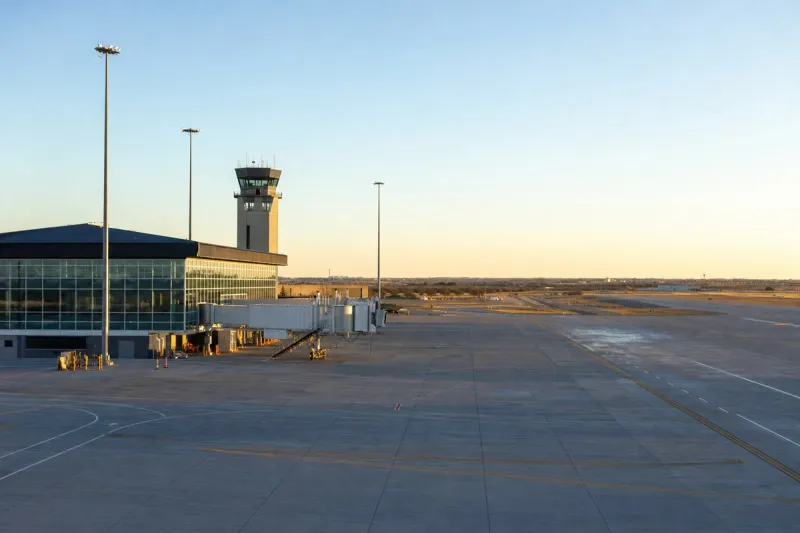
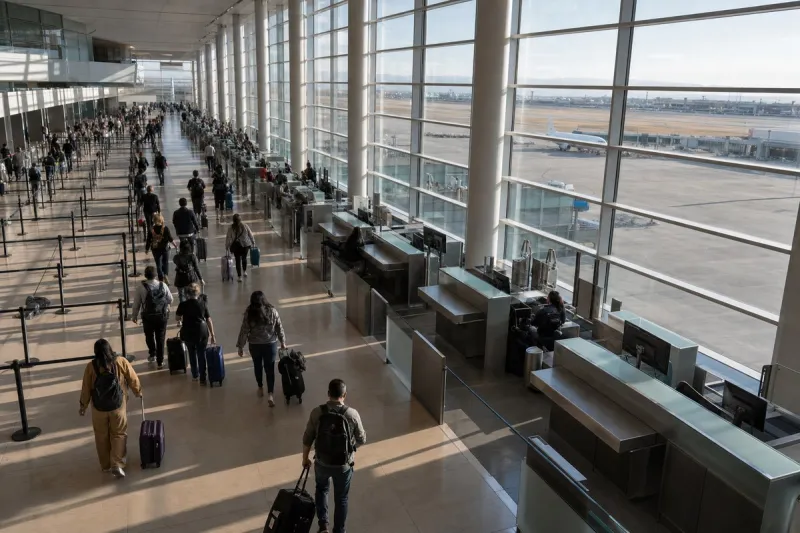
Amsterdam Schiphol Airport (AMS) is investing €10 billion ($11.2 billion) through 2035 to overhaul aging infrastructure, improve operational reliability and restore the passenger experience that once set it apart among Europe's leading connecting hubs. The investment is meant to strengthen Schiphol's competitive position while accommodating future growth under restrictions on aircraft movements.
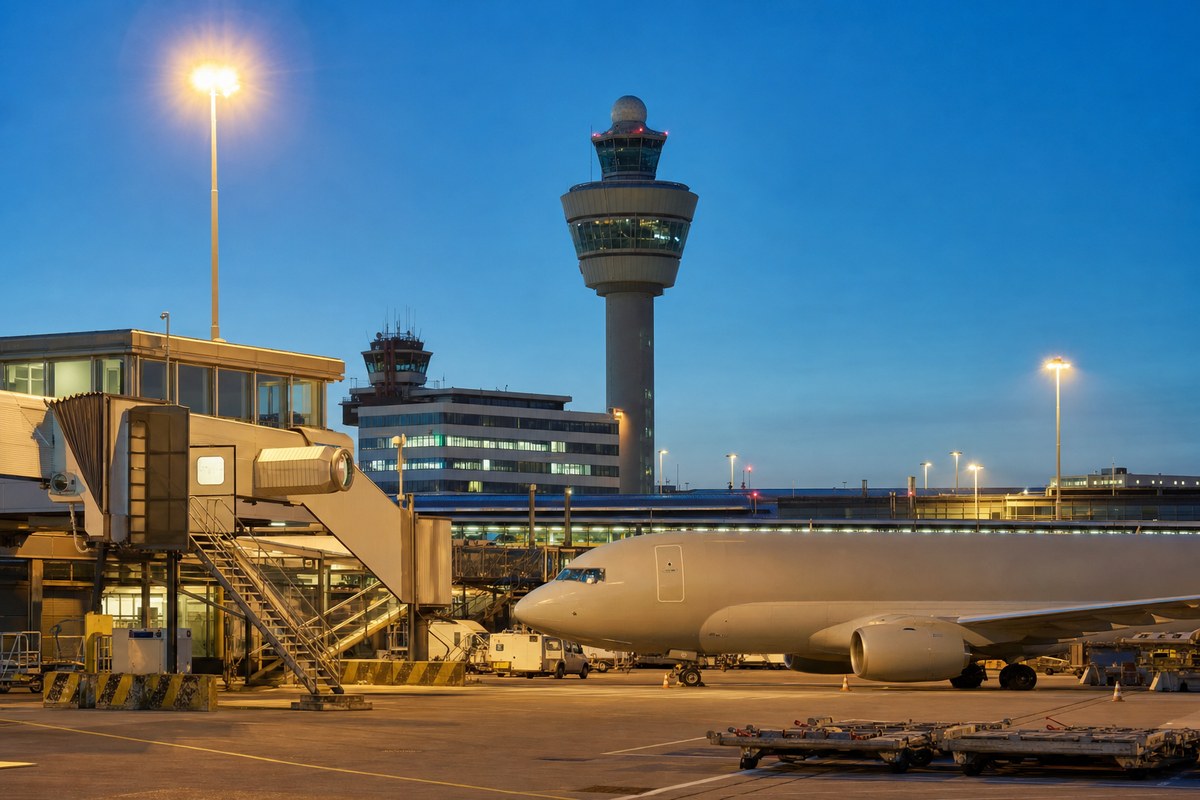
Schiphol handled 66.8 million passengers in 2025 and expects about 69 million in 2026. Longer-term planning anticipates 90 million to 95 million passengers a year, with larger aircraft allowing traffic to grow without a matching rise in movements. OAG's 2026 Megahubs ranking placed Amsterdam third worldwide for international connectivity, behind Istanbul and London Heathrow. Joery Strijtveen, Schiphol's head of aviation partnerships, said the airport wants to keep a top-three position in connectivity and also in operational performance.
The overhaul reflects an acknowledgment that traffic growth over the years outpaced maintenance and infrastructure investment. Schiphol invested a record €801 million in the first half of 2026 to address overdue maintenance, terminal improvements and electrical infrastructure. Airport executive Vitalis said Schiphol had to raise its charges to make up for the maintenance backlog, and acknowledged the challenge of balancing investment with airline competitiveness. Schiphol has introduced temporary discounts on airport charges to help carriers manage higher fuel prices.
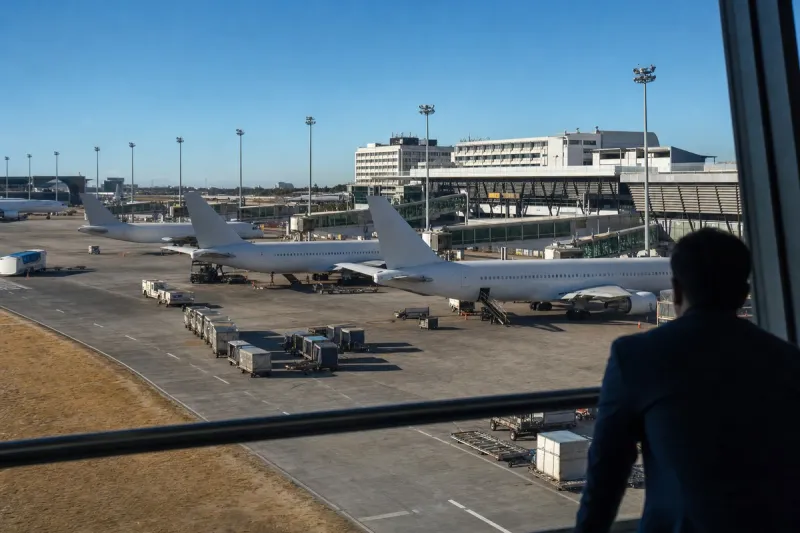
A key milestone is the opening of the new A-pier in April 2027, providing 11 aircraft stands and capacity for 7 million passengers annually. The wider master plan includes a proposed Terminal South, renovated piers, upgraded baggage systems and refurbished lounges, while retaining the single-terminal concept that supports short connections. Vitalis said years of expansion and retail development had complicated the passenger journey and that the airport wants to bring back the "Schiphol DNA." Lounge 1 has been renovated, with improvements planned for Lounges 2 and 3.
Investment also extends to ground operations. Schiphol is testing baggage-handling automation and mechanical lifting aids to reduce physically demanding work, while electrifying ground operations and trialing aircraft towing procedures to cut fuel consumption and emissions. Reducing employees' exposure to ultrafine particles is another priority. Vitalis said the measures matter increasingly amid labor shortages, an aging workforce and high housing costs near the airport.
Strijtveen said Schiphol's strongest selling point is reliable operations rather than large financial incentives, adding that the times of big incentives are over. The airport is prioritizing network depth over simply adding destinations, targeting stronger frequencies and economically valuable connections, with nonstop service to Australia among its ambitions. Vitalis said the airport wants to rank among Europe's top international hubs for punctuality and passenger experience.