IATA, ATAG and WEF Reports Point to SAF Growth and Hydrogen as Aviation Fuel Alternatives
Why It MattersThe 2050 net zero commitment makes SAF the central decarbonisation lever for airlines, and business aviation will be pulled along the same fuel-supply path as the wider sector.
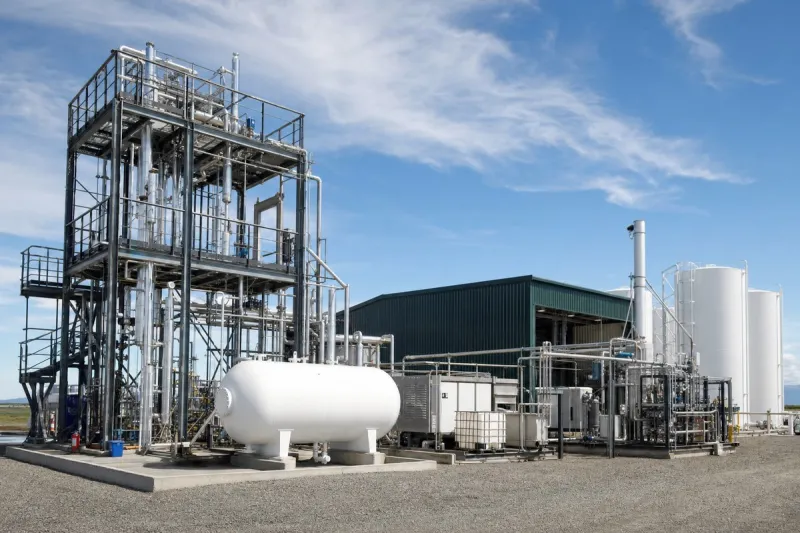
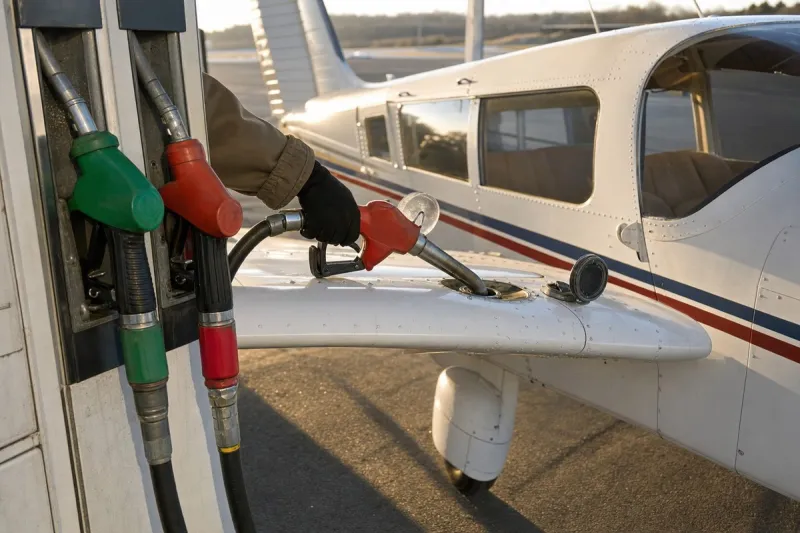
Alternatives to conventional jet fuel are being developed and, in the case of sustainable aviation fuel (SAF), are already in use, according to figures cited from industry bodies.
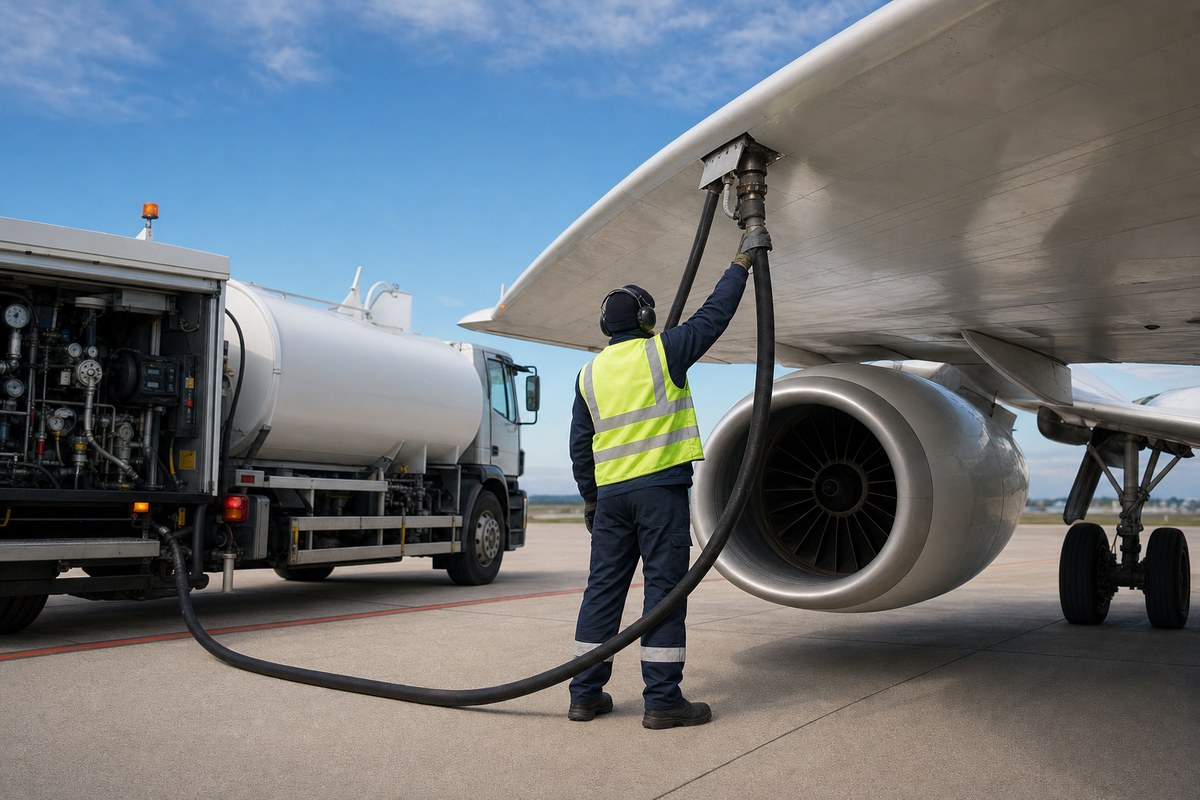
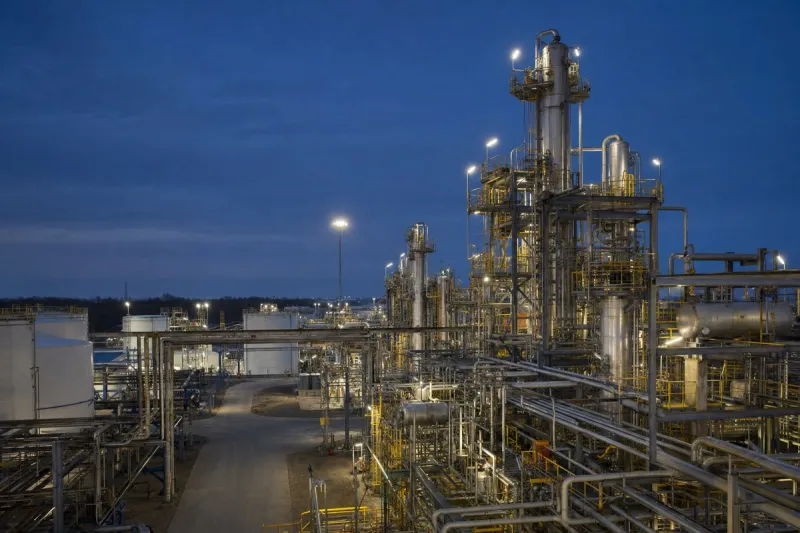
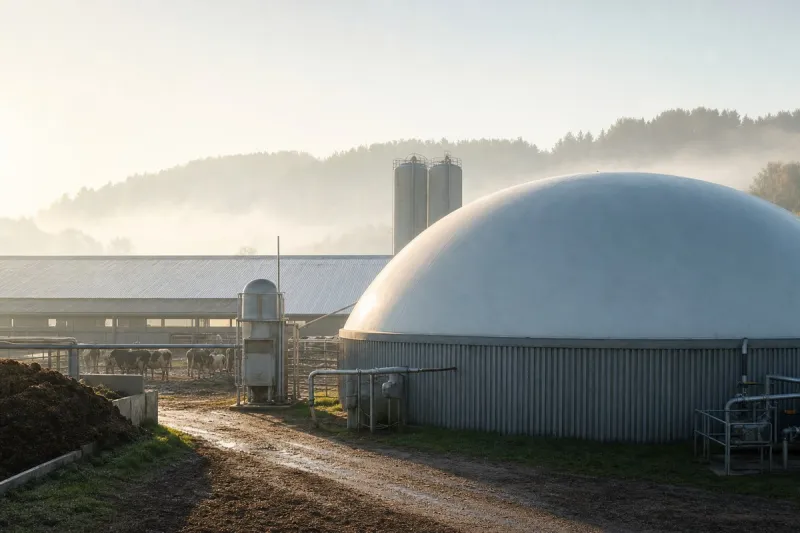
In 2021, members of the International Air Transport Association (IATA), which represents over 370 airlines and around 85% of global air traffic, signed the Fly Net Zero resolution committing to net zero carbon emissions by 2050. IATA says SAF could contribute up to 65% of the emissions reduction aviation needs to reach that goal. SAF can be made from materials such as used cooking oil, biomass waste, residues and renewable sources.