Only Two Operating US Vertiports Found in 78-Site Directory; Most eVTOL Infrastructure Is Airports, Chargers and Test Ranges
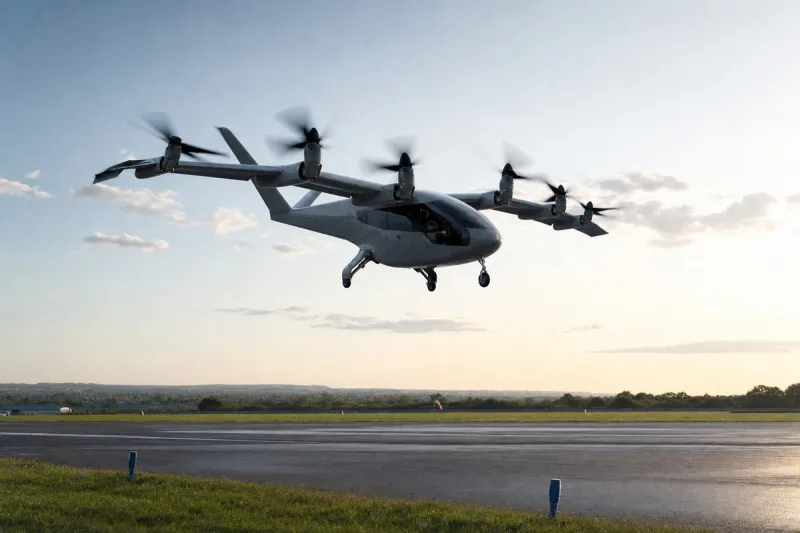
Why It MattersUS eVTOL infrastructure is still mostly adapted airports and manufacturer-built chargers rather than public vertiports, so operations in the near term depend on existing airfields and a few vendors' charging networks.
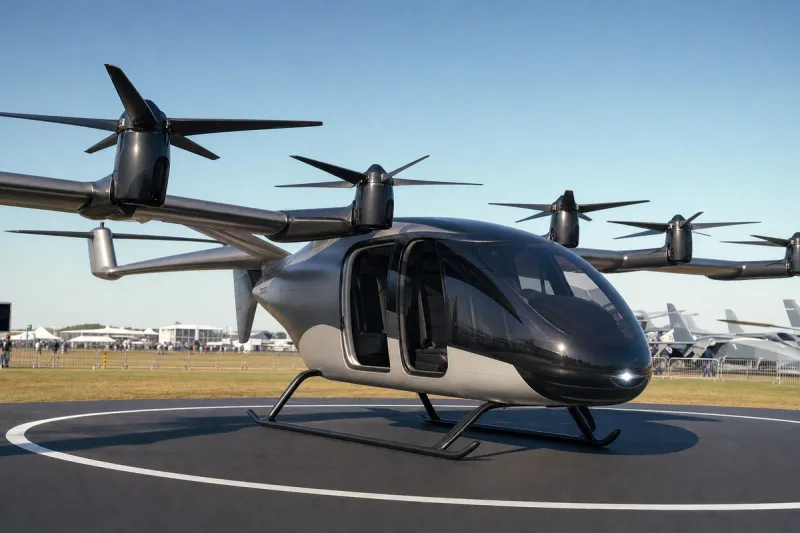
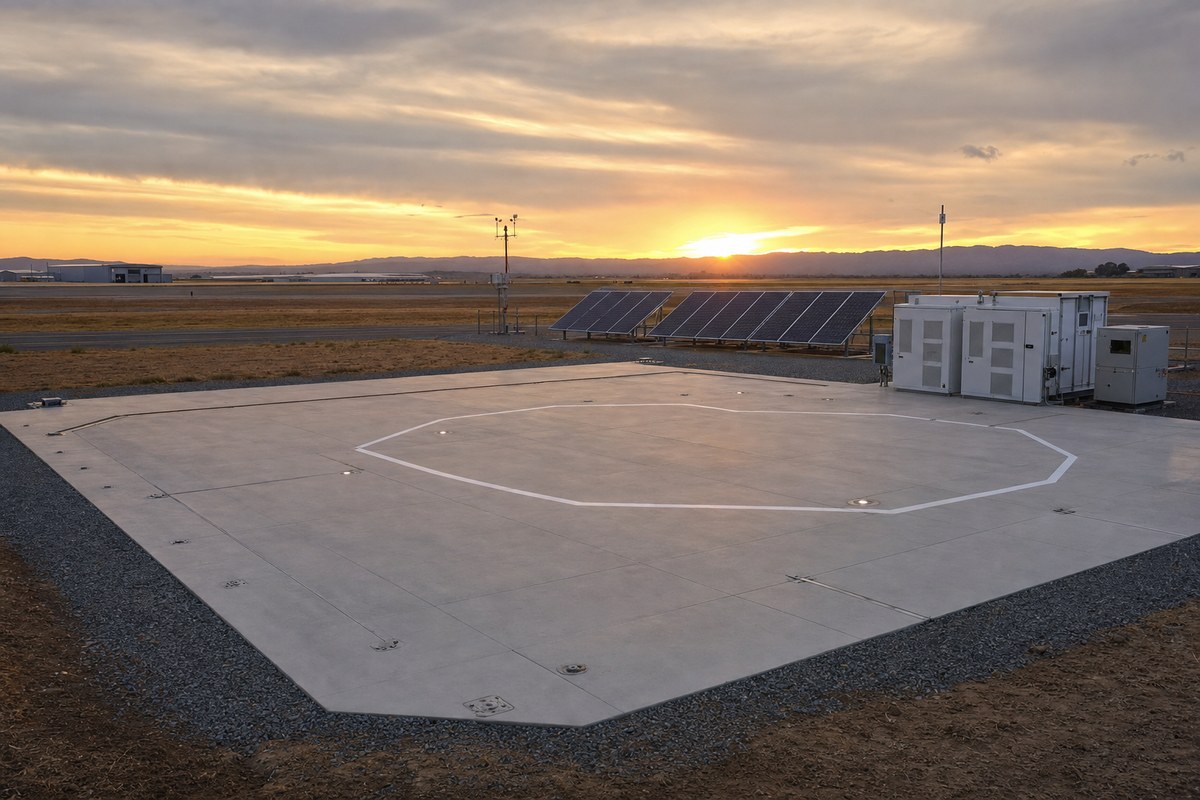
LAE's US Vertiport Directory, built in October 2026, lists 78 sites where eVTOL aircraft fly or are planned to fly, each with a status, evidence and a last-checked date. By its count, only two vertiports are operating in the United States, and none of the 78 sites is an operating vertiport open to public use. One of the two is Wisk's new 100-foot-square concrete pad at Hollister Municipal Airport in California, opened on October 29, 2026, with the company's own transceivers, solar panels and power banks. Wisk says it is fully operational for piloted and autonomous flight, but it carries no passengers and serves one company. In the FAA's October 29 data cycle, no US facility carries the vertiport type; Virginia Tech's Blacksburg pad, for example, is filed as a private-use heliport with no eVTOL landing published.
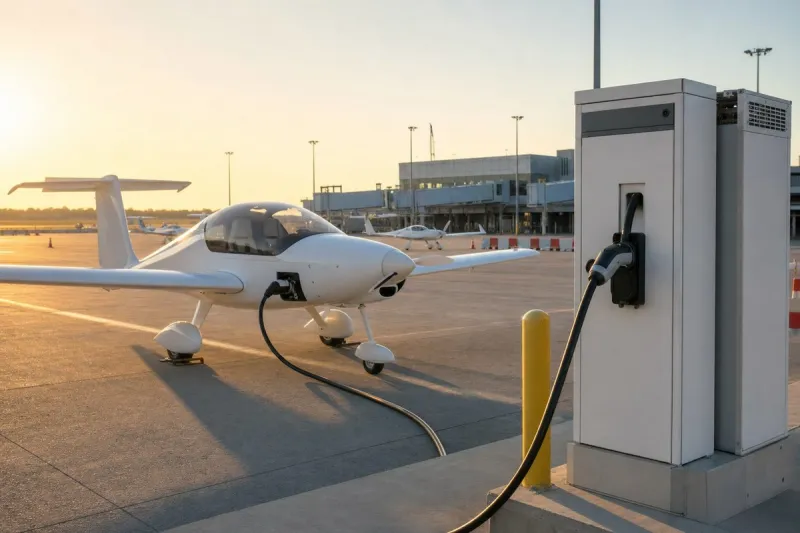
Most of the directory is conventional infrastructure. Of the 19 sites tied to the federal eVTOL Integration Pilot Program, which began on July 10, 2026 with a BETA ALIA flight from Virginia Tech Montgomery Executive Airport carrying an organ over a route of about 275 nautical miles to Martin State Airport in Maryland, 14 are conventional airports. JFK, Philadelphia International, Northeast Philadelphia, Millville and Cedar City each received a demonstration flight, and none has a pad, terminal or charger built for the aircraft. BETA Technologies is behind 17 of the directory's 19 charging sites, alone or with Signature Aviation and Georgia Power. Florida has 10 directory sites, more than any other state, largely because BETA's October 30, 2026 list puts chargers online at nine Florida fields. A 350-kilowatt charger at Augusta Regional Airport was celebrated on March 24, 2023, but the last aircraft reported charging there was BETA's own ALIA, on October 24, 2023. At four more sites, including Lansing and Manchester, the record shows a commissioned charger and no electric aircraft ever reported using it.
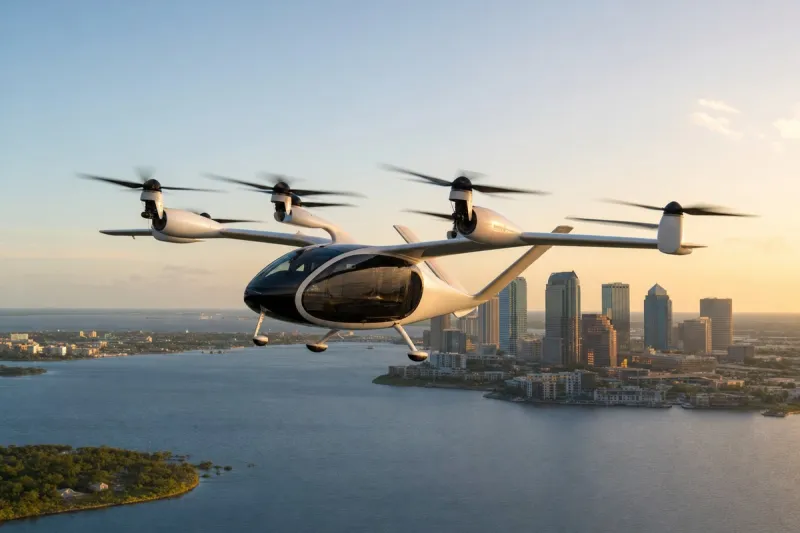
Urban heliports are in flux. Dallas's downtown heliport (49T), opened in 1994, is listed by the FAA as closed indefinitely; the city closed it in July 2025, is demolishing it along with the convention center, and expects it back in the second quarter of 2029. In New York, Downtown Skyport at Pier 6, East 34th Street and West 30th Street are public-use heliports with no permanent eVTOL charger. Downtown Skyport took five Joby landings during an April 2026 campaign, with Joby managing its own charging, and its operators say permanent rapid charging is tracking to be fully functional in 2027. Joby announced a charger at Kearny, New Jersey in January 2024, but it was not installed when checked on October 22, 2026. The Jersey City-area downtown heliport 8A4 was closed on December 15, 2025, and on October 13, 2026 the FAA withdrew the closure notice.
Twelve directory sites are unverified, several tied to defunct aircraft makers. The Lake Nona, Orlando project announced in November 2020 with Lilium remained on Tavistock's page after Lilium ceased operations. DFW Airport's 2023 memorandum with Overair outlived Overair, which ceased operations in March 2025. Volatus's Bellefonte, Pennsylvania plan ended with its website listed as a domain for sale on October 21, 2026. Four sites are under construction, including the FAA's Vertical Procedures and Analysis Range at the Mike Monroney Aeronautical Center in Oklahoma City, which broke ground on June 25, 2026 with completion scheduled for summer 2027. Other plans include Port San Antonio, an Alpharetta, Georgia parking-deck vertiport approved 6 to 1 on January 28, 2026, a Columbus Airport project with a $2.2 million city request and a late-2027 completion target, and a Century Plaza helipad project in Los Angeles announced in April 2026 with approvals still sought.
Fifty-one of the 78 sites are east of the Mississippi; Oklahoma has six and Alaska four, and 22 states have none. LAE seeded the directory from its state survey rows rather than the FAA's records of several thousand heliports, so an empty state may only mean no survey row met the bar. Twenty-two sites still have approximate coordinates, and all entries were checked between September 13 and October 31, 2026.