Private Jet Round-the-World Trip Takes About 40–55 Flight Hours, JetFinder Says
Why It MattersThe estimates show circumnavigation demand rests on a handful of ultra-long-range types and bespoke quoting, so premium round-the-world charter stays a niche, tightly priced segment of the market.
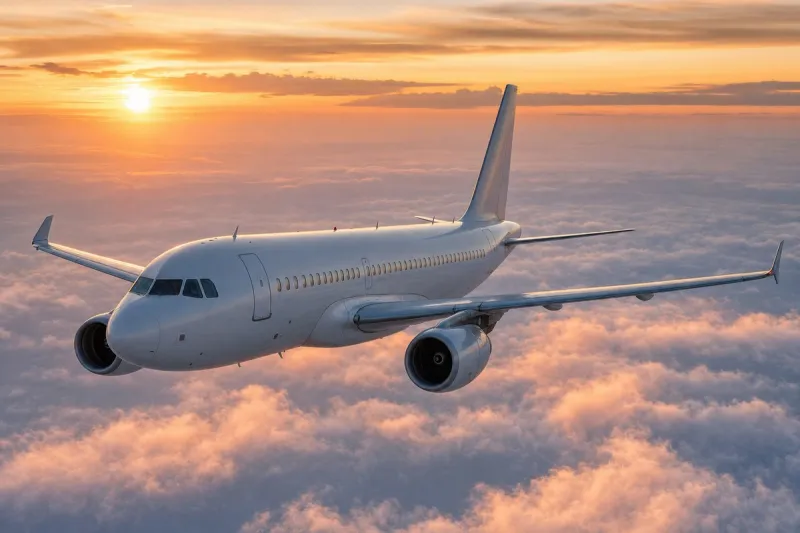
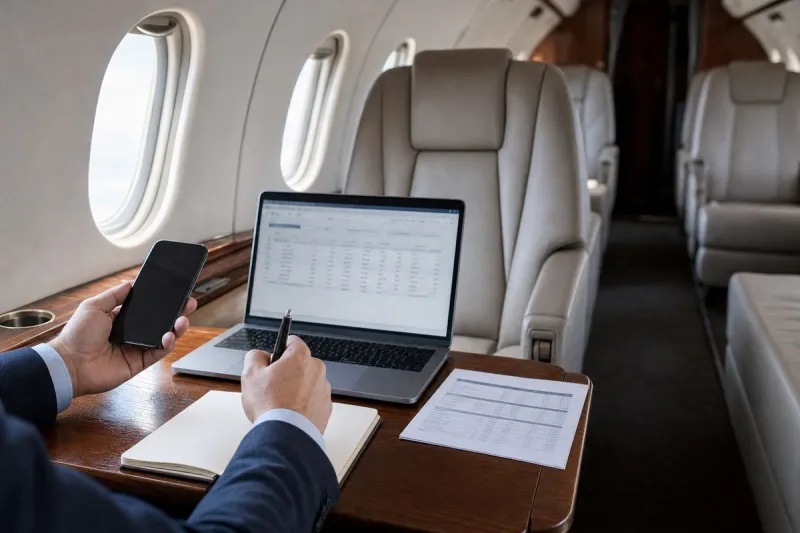
A circumnavigation on a modern ultra-long-range private jet takes about 40–55 hours airborne, according to a JetFinder guide. Elapsed time is longer: three to five days when speed is the priority, or two to four weeks for itineraries built around destinations, business meetings and events, because it includes refuelling, customs and immigration, passenger rest, crew changes, weather delays and time at each stop. Under the rules used for the recognized passenger-aircraft speed record, a true circumnavigation must exceed the length of the Tropic of Cancer or Capricorn, approximately 36,788 km (22,859 miles). The guide lists a record-style mission at about 40–50 hours airborne over two to three days, a business itinerary at about 45–60 hours over 7–14 days, and a luxury and events itinerary at about 50–70 hours over two to four weeks.
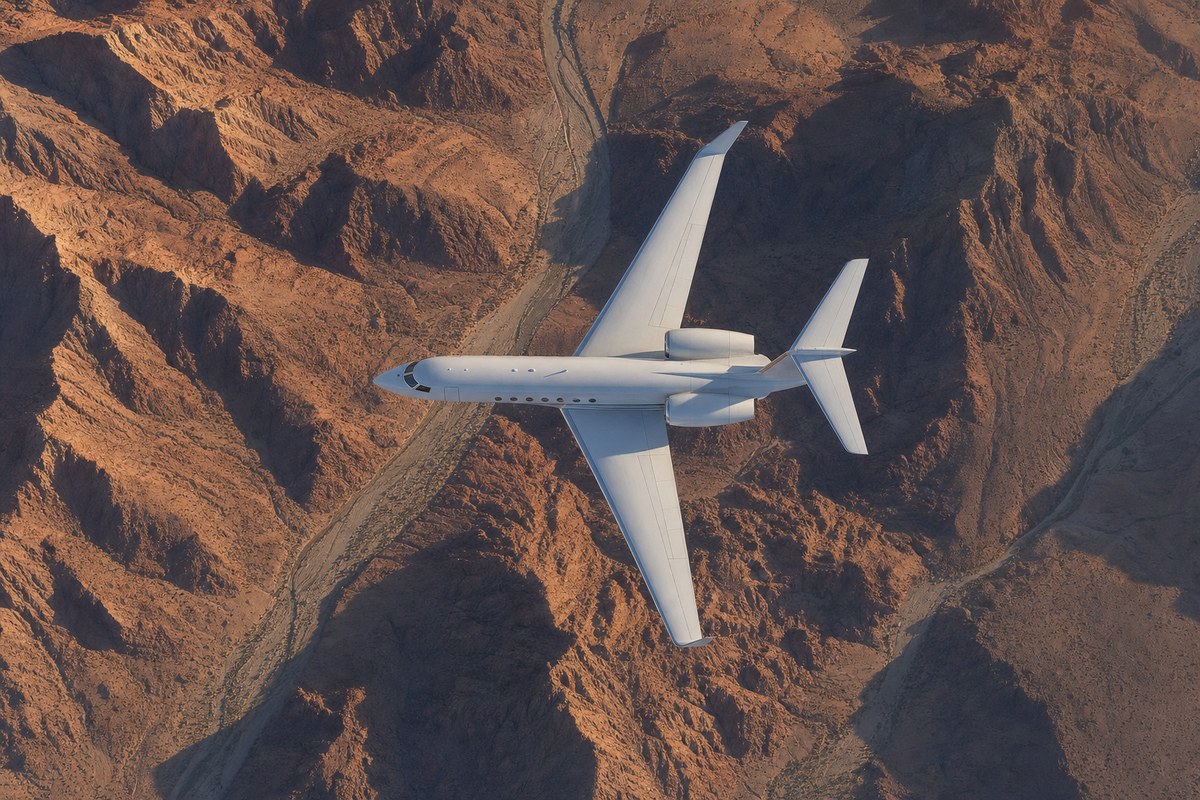
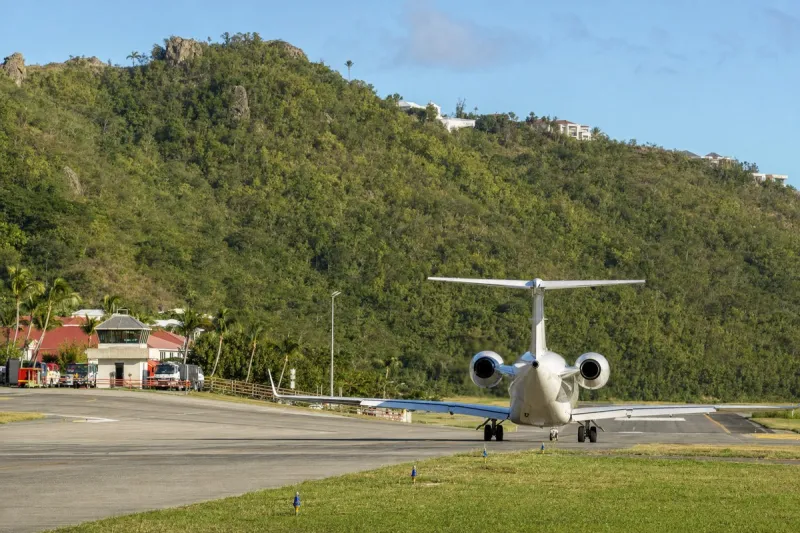
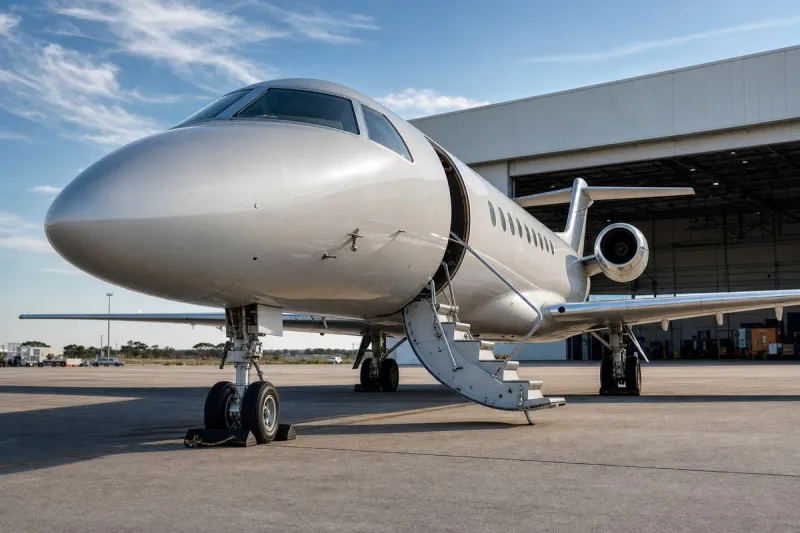
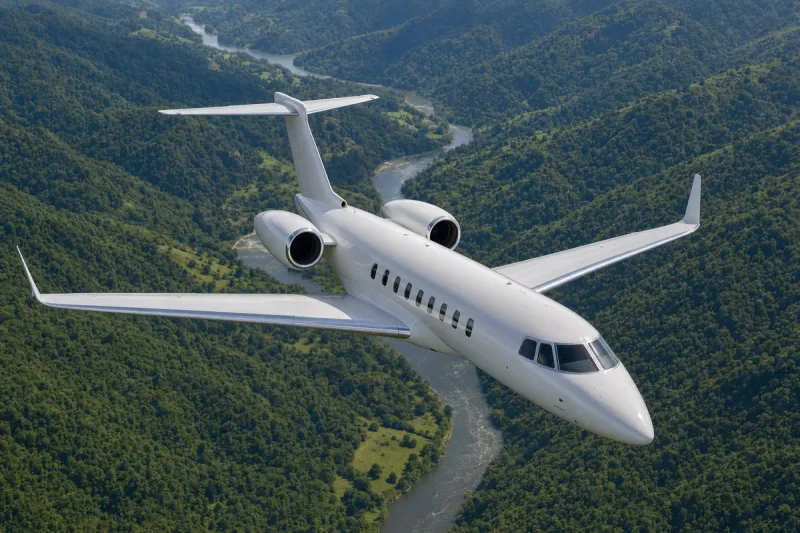
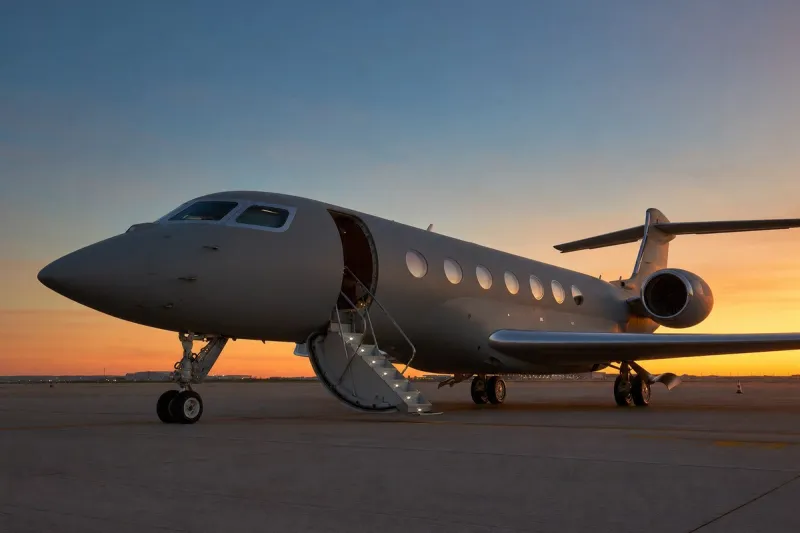
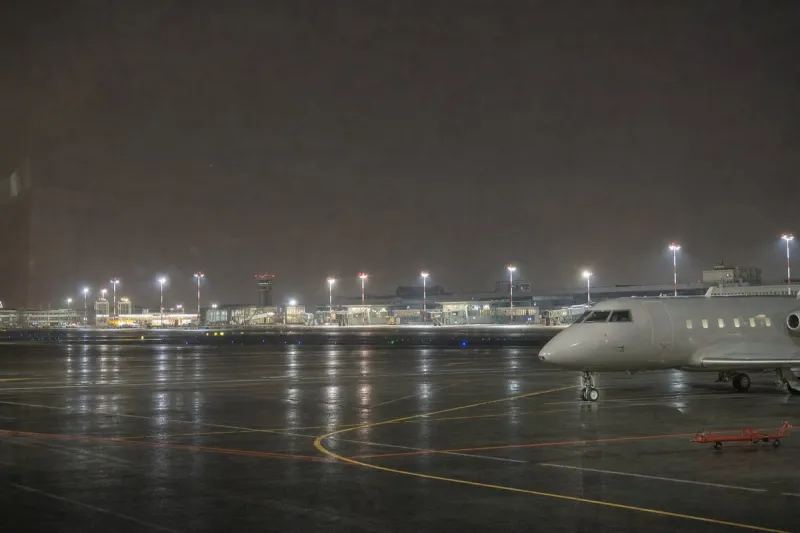
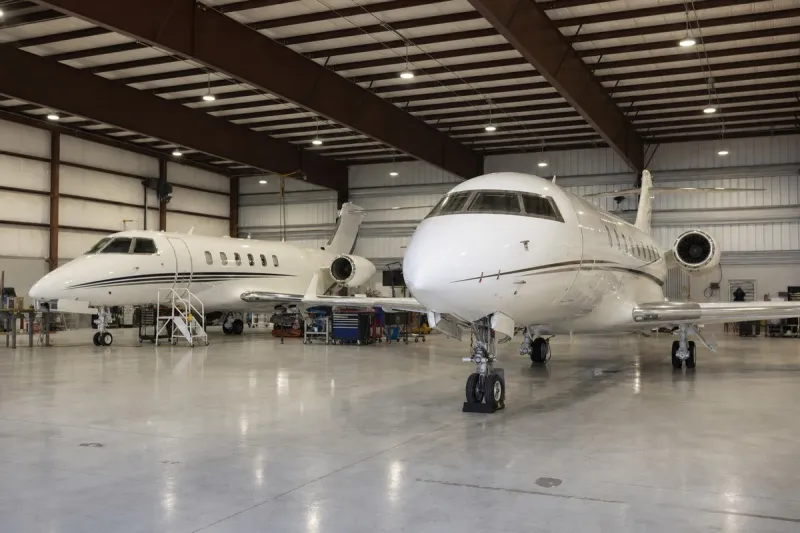
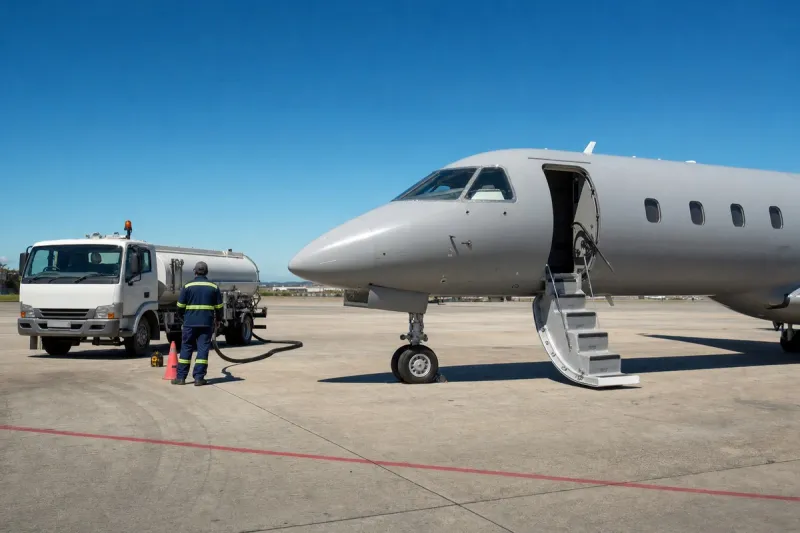
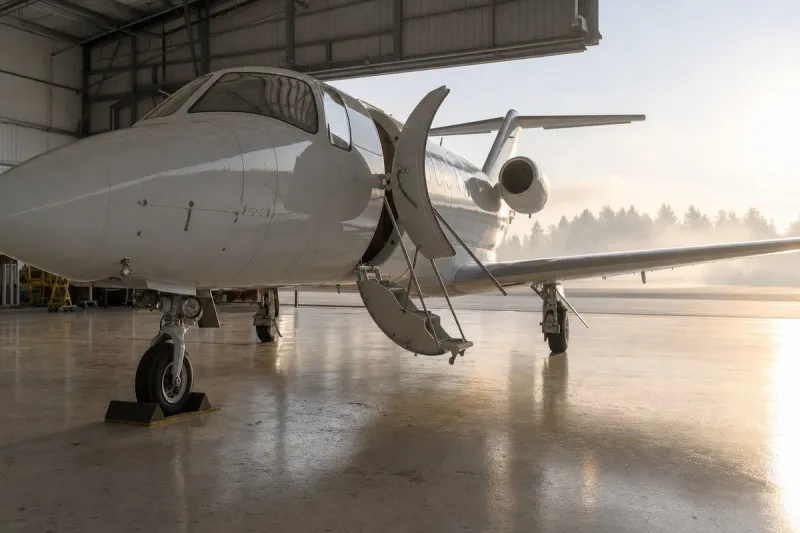
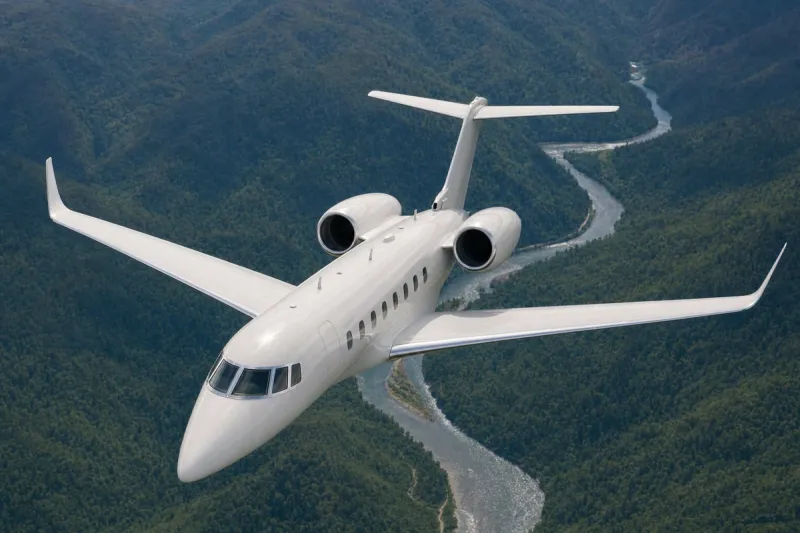
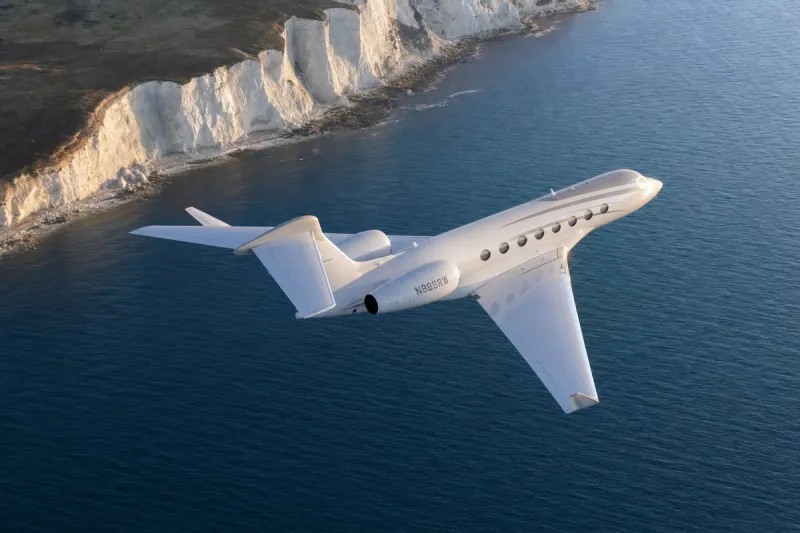
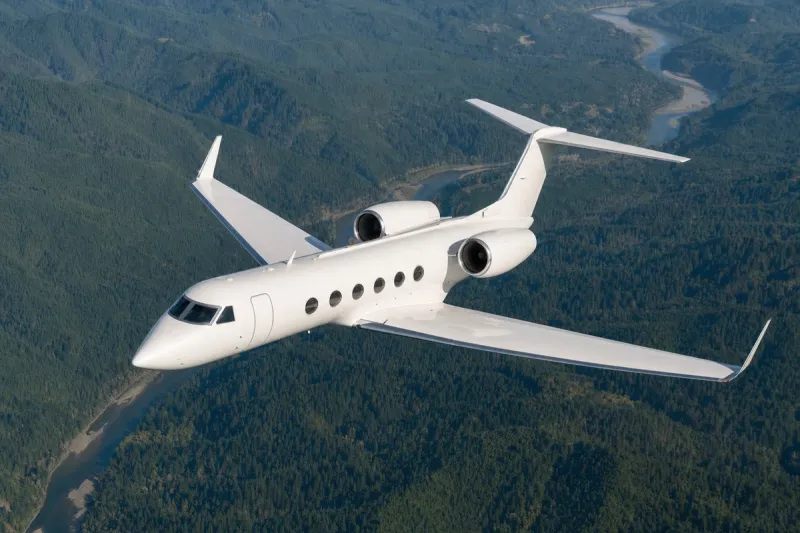
No current charter aircraft flies a full round-the-world course nonstop. The guide names the Gulfstream G700 (published maximum range 7,750 nautical miles, up to 19 passengers), the Bombardier Global 7500 (7,700 nautical miles) and the Gulfstream G650ER as leading choices, with the Global 6000/6500, Gulfstream G600, Dassault Falcon 7X/8X and some converted airliners also possible, possibly with extra fuel stops.
JetFinder puts a present-day round-the-world charter budget at roughly $650,000 to $1.3 million, with complex itineraries costing more. Its indicative starting hourly rates are about $10,600 for a Global 7500 and $12,000 for a G700, before repositioning, handling, permits and other charges. The published figures are estimates, not offers, and every itinerary must be quoted individually.
Historical benchmarks cited include Wiley Post's solo flight in 1933 (7 days, 18 hours 49 minutes), Howard Hughes and crew in 1938 (about 91 hours), Voyager's nonstop unrefuelled flight in December 1986 (just over nine days), an Air France Concorde in 1995 (31 hours 27 minutes 49 seconds including six stops), Steve Fossett's solo nonstop GlobalFlyer flight in 2005 (67 hours 1 minute 10 seconds), and Solar Impulse 2's solar-powered circumnavigation in 2016.