Las Vegas Thunderstorms Trigger Flash Flood Warnings and FAA Ground Stop at Harry Reid Airport
Why It MattersLightning-driven ramp stoppages at a single high-volume airport show how a short weather event, compounded by staffing shortfalls, leaves aircraft and crews out of position and carries delay into the following hours.
What happened
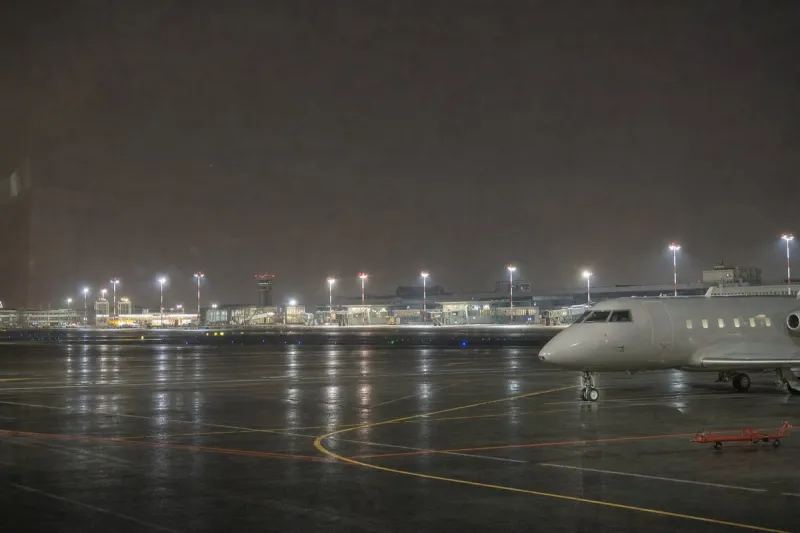
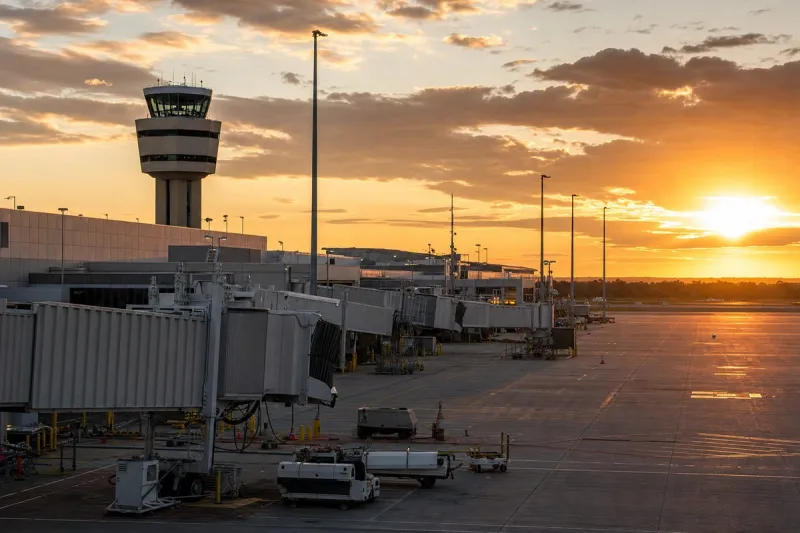
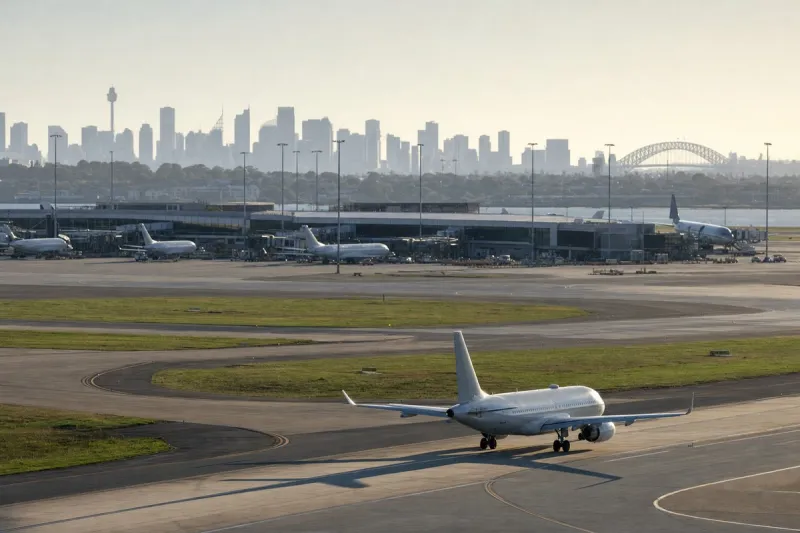
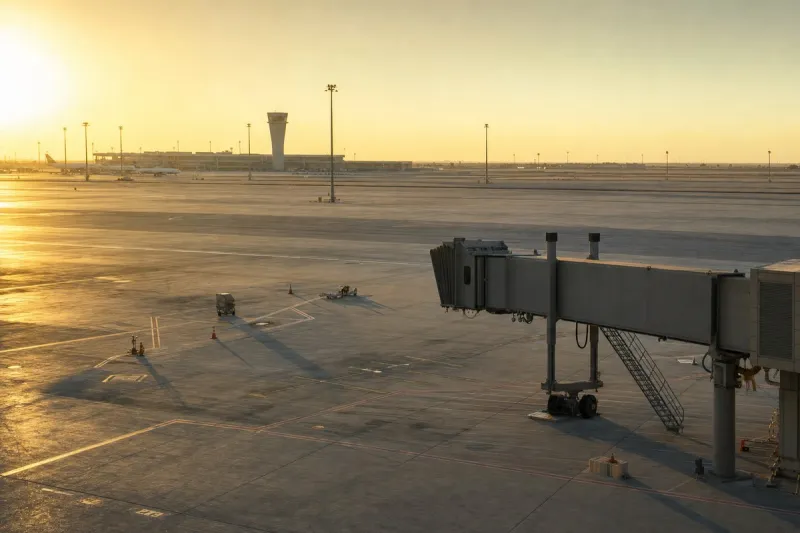
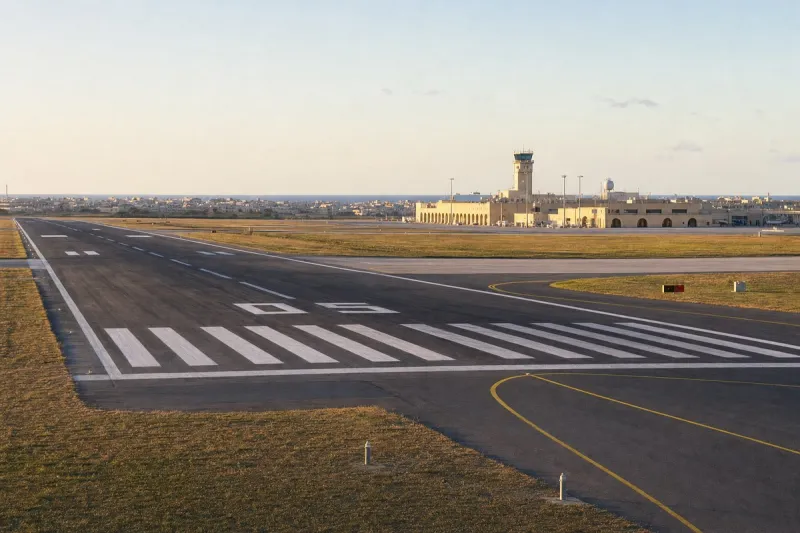
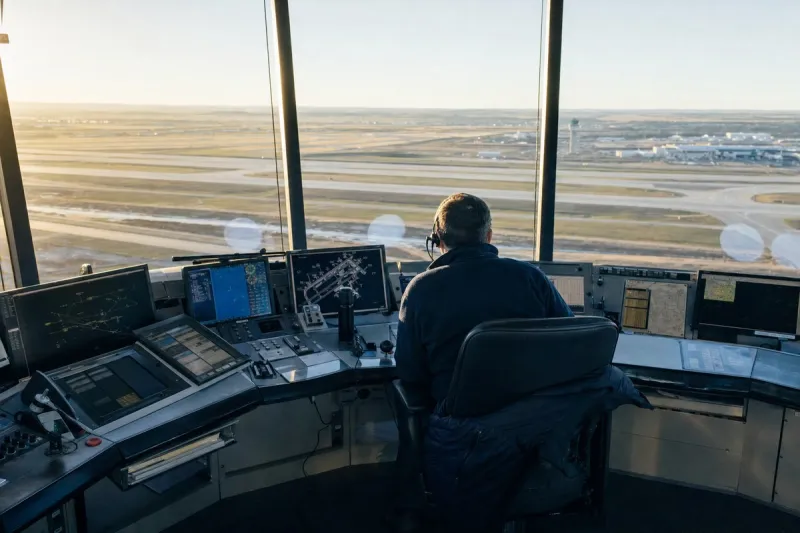
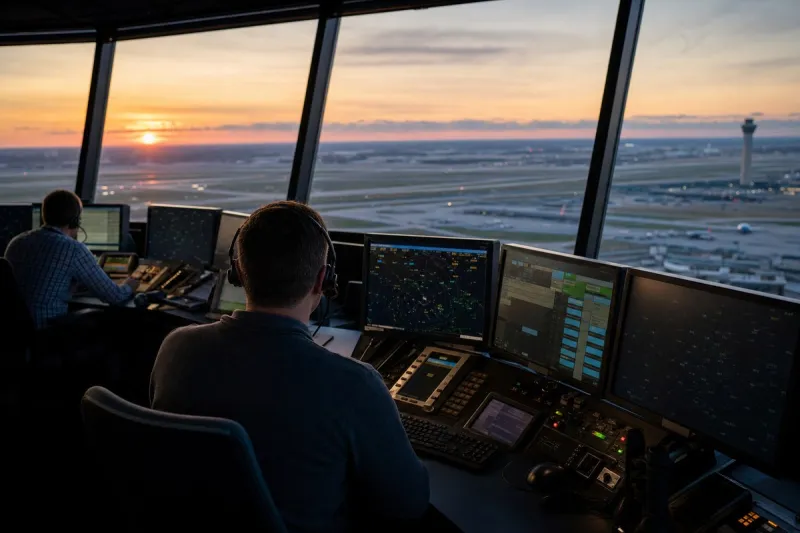
Severe thunderstorms struck the Las Vegas valley on Friday, October 30, 2026, bringing hail, up to an inch of rain in parts of the valley and flash flooding. The storms prompted an FAA ground stop at Harry Reid International Airport (LAS) because of lightning. Accounts of its length differed: one said it ran through at least 3 p.m., while an earlier account said the ground stop ran until 2 p.m.
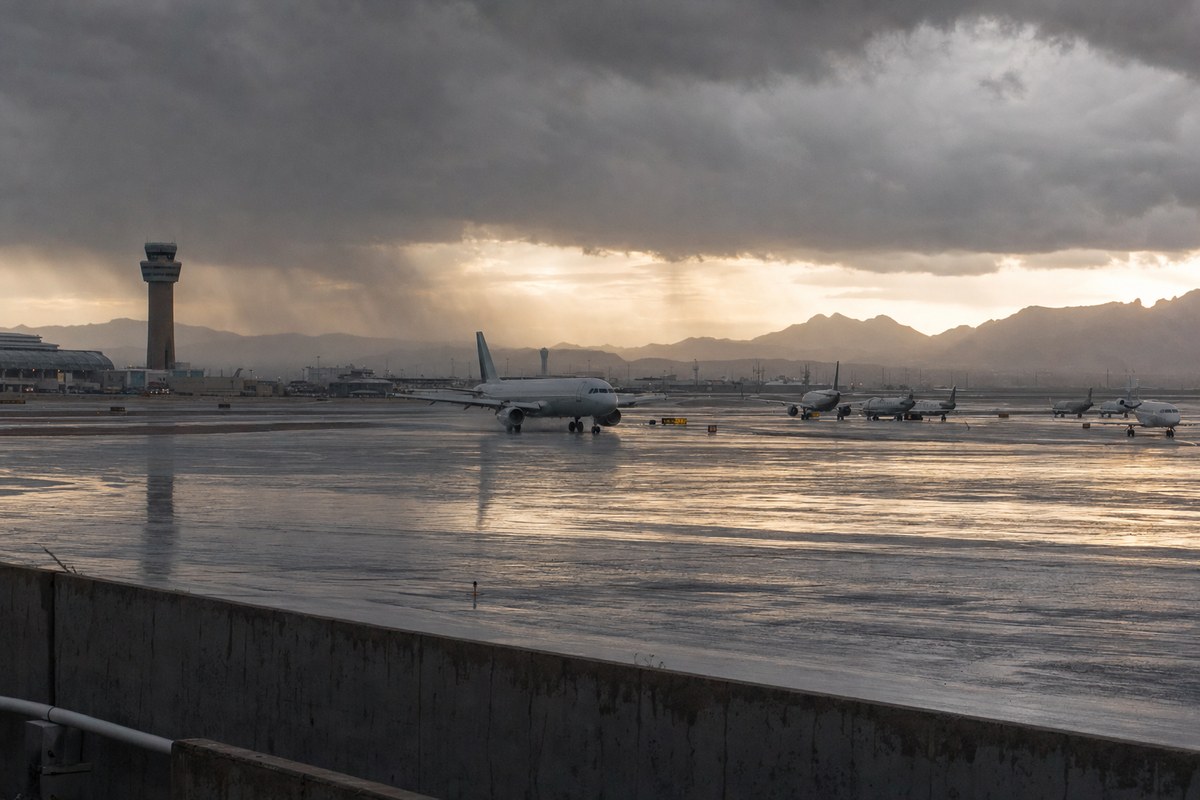
A severe thunderstorm warning covered the east valley, citing hail and torrential rain. The National Weather Service warned of life-threatening flash flooding, and flash flood warnings extended from the Strip and Fremont Street to Henderson and Lake Las Vegas. Power outages affected customers, with counts ranging from more than 1,600 to more than 4,000. Three swift-water rescues were carried out in Henderson as roads flooded across the valley, and the Review-Journal reported one death in Henderson.
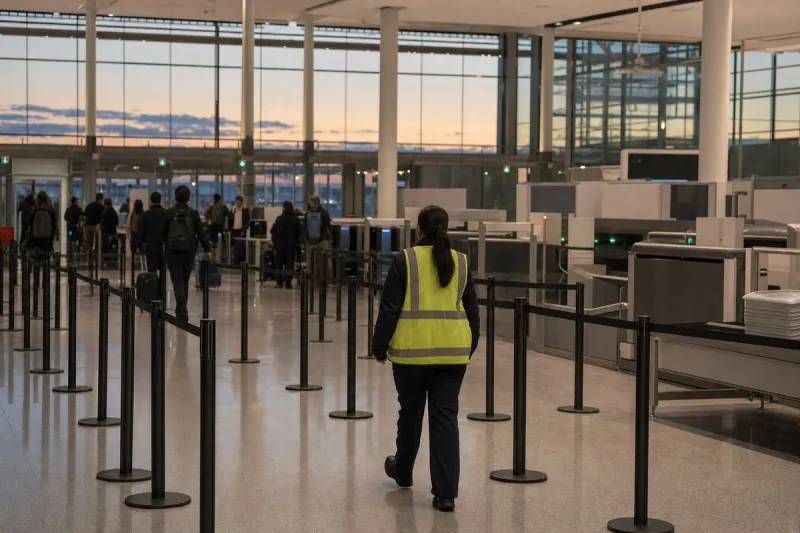
At the airport, staffing issues combined with the thunderstorms. Departures were delayed by an average of about 15 minutes, while arrivals ran about 23 minutes behind. The National Weather Service said southern Nevada could see its first measurable rain on Halloween since 1987. No confirmed Saturday airport status was available, and travellers were advised to check their airline and the latest forecast.
Industry impact & what to watch
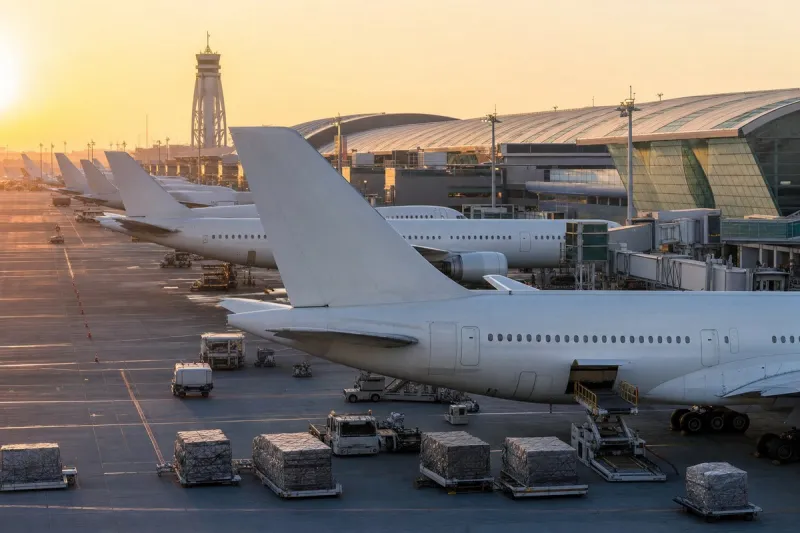
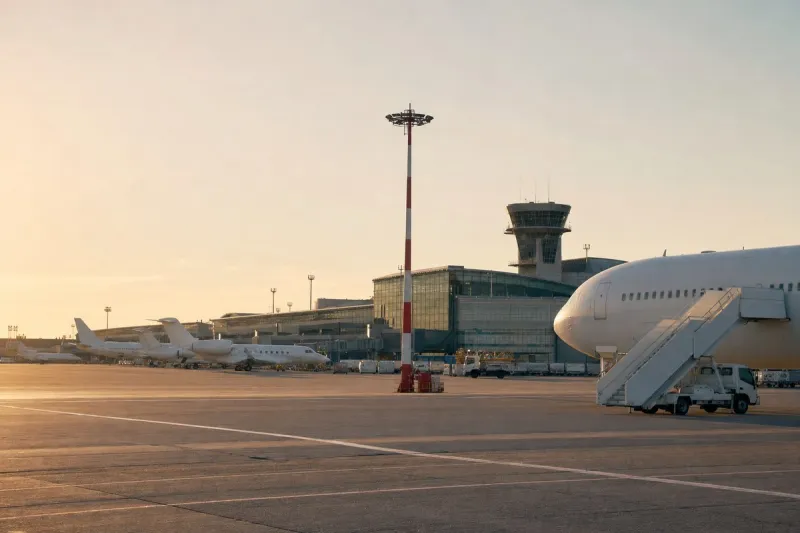
Lightning near an airfield typically halts ramp operations, stopping baggage loading, fuelling and pushback. The disruption therefore extends beyond the hours of the ground stop itself: delays can linger after it is lifted because aircraft and crews are out of position. The arrival lag of about 23 minutes, longer than the 15-minute departure average, is consistent with that knock-on effect.
Staffing shortfalls layered on top of weather reduce the margin an airport has to recover. For operators of scheduled and charter flights alike, the practical exposure is the repositioning problem after the storm, not the storm window alone.
On the passenger side, US rules entitle travellers whose flights are cancelled to a full refund if they decline the alternative offered, and a significant delay, generally 3+ hours domestic, can also create a refund right; cash compensation is not required for weather delays. The next point that would settle the picture is the airport's operating status on Saturday, which had not been confirmed.