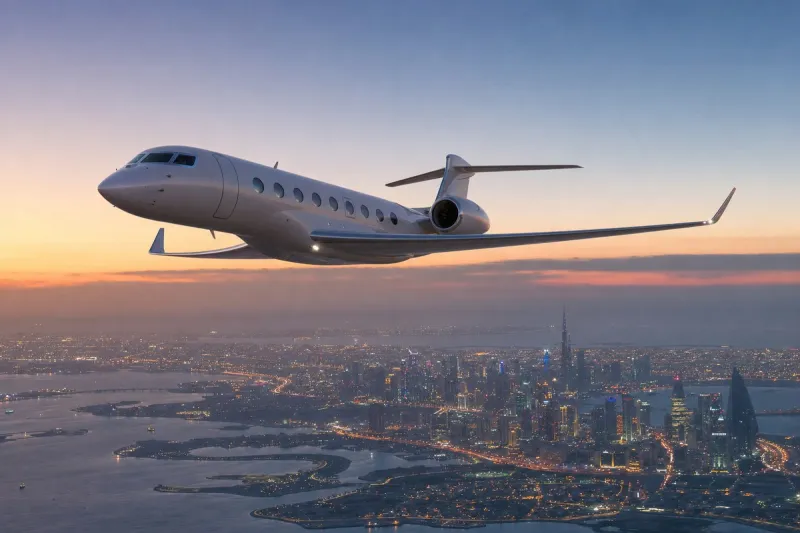
BlackJet Guide Explains Seaplane Types and How Water-Landing Aircraft Extend Private Jet Travel
Why It MattersCharter and jet card providers are packaging partner-operated seaplane legs into single-quote itineraries, extending private aviation's reach to destinations without paved runways.
BlackJet has published a guide on water-landing planes as a way to reach destinations without paved runways, such as lakeside lodges, island resorts and coastal retreats. It names Alaska's roadless interior, the Maldives' atolls, British Columbia's wilderness lakes and smaller Mediterranean islands as examples, and says float planes can also carry supplies to remote locations.
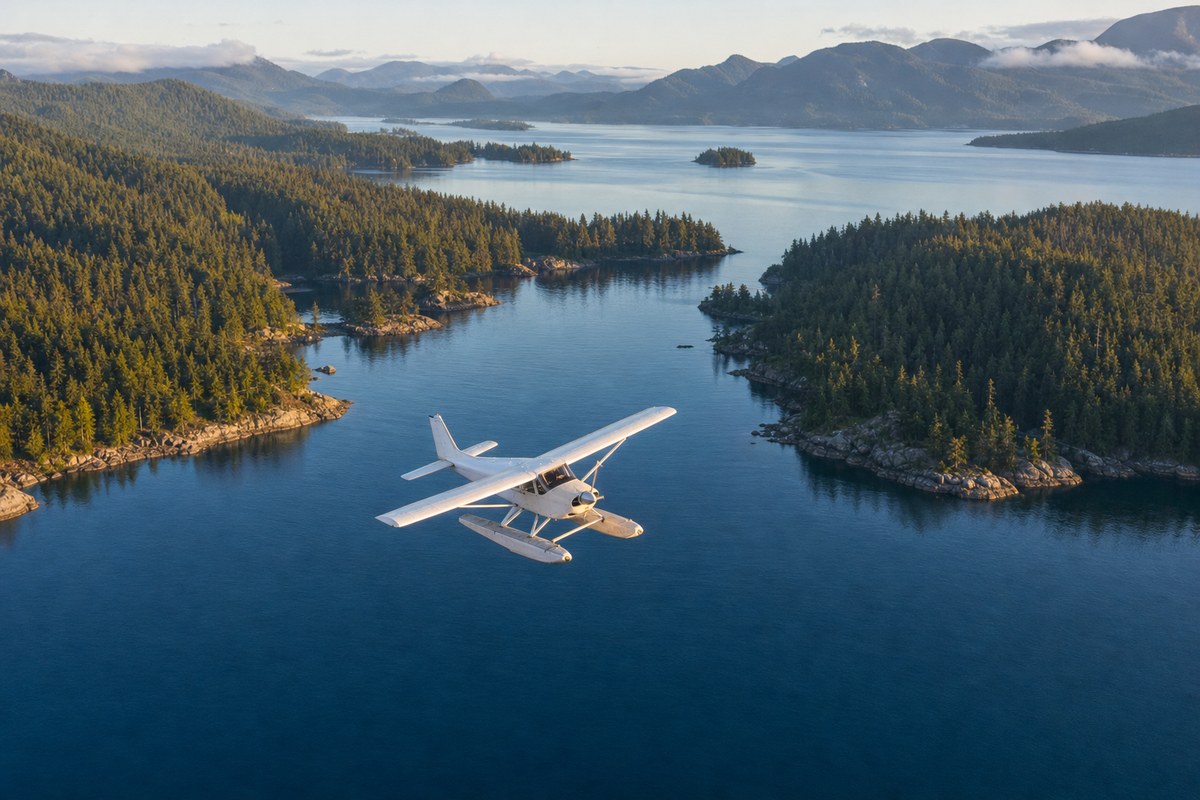
The guide describes a private jet to Vancouver followed by a thirty-minute float plane leg to a British Columbia lodge as a way to shorten a journey that on commercial routing might involve a mainline flight, a regional hop and a ninety-minute boat ride. BlackJet coordinates such trips through a single point of contact: Jet Card hours cover the private jet segment, while water-landing legs are arranged through selected partner operators and quoted alongside the jet charter.
The guide separates three categories. Float planes are conventional airframes fitted with external pontoons, with modified Cessna 172 and 182 aircraft and the De Havilland DHC-2 Beaver as examples. Flying boats land on a boat-shaped fuselage hull, including the Short Sunderland and the Blohm & Voss BV 238. Amphibious aircraft combine water and runway capability, including the De Havilland DHC-6 Twin Otter on amphibious floats, the Canadair CL-415, the ICON A5 and the jet-powered Beriev Be-200.
On technique, the guide says a water landing proceeds in phases in which the pilot reads wind direction and wave patterns, reduces descent rate and raises the nose slightly, then touches down in displacement or planing mode. It adds that glassy, mirror-smooth water is especially dangerous because it removes depth perception, and that porpoising, a repeated bouncing caused by incorrect pitch and speed management, is a hazard.