Elysian Targets 2034 for 90-Seat Electric E9X, While Expert Sees Aircraft of That Size Around 2040 or Later
Why It MattersThe gap between a startup's 2034 date and an academic's 2040 estimate for 80-90 seat electric aircraft shows regional electric airliners remain well beyond the planning horizon of today's fleet decisions.
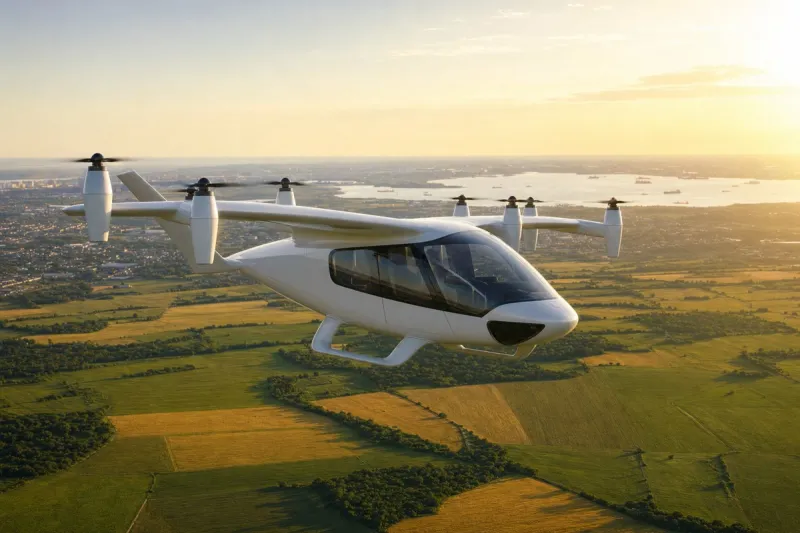
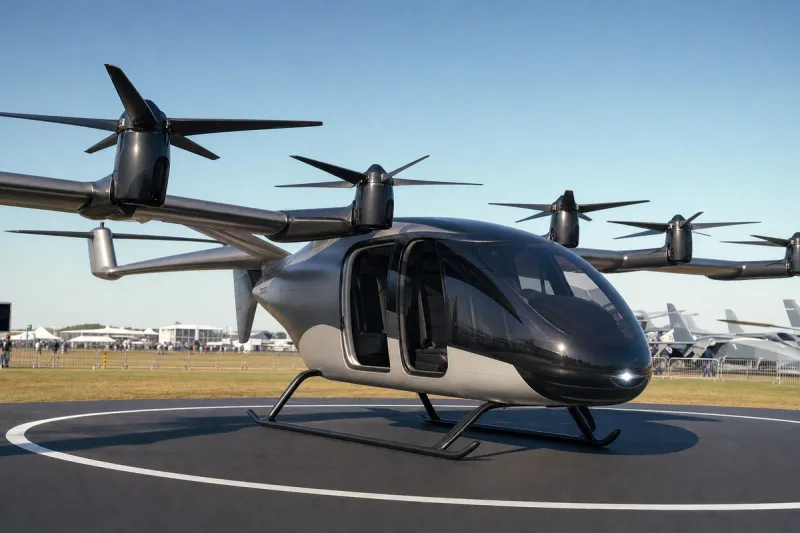
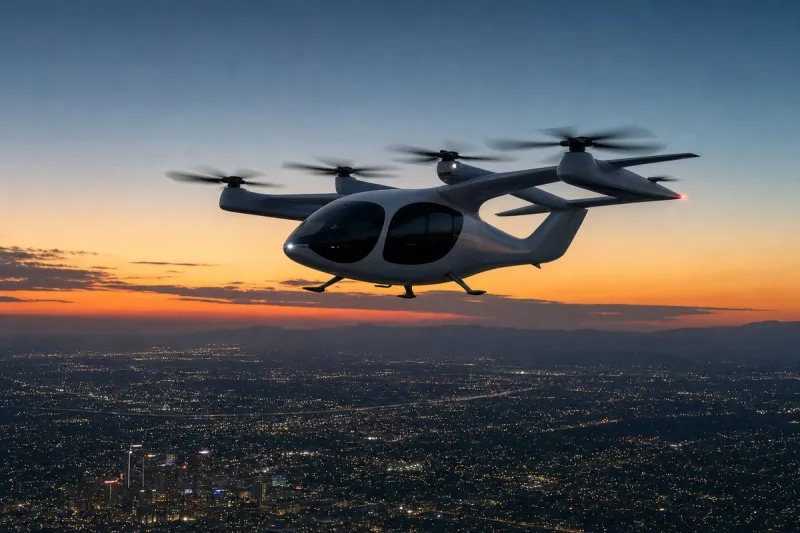
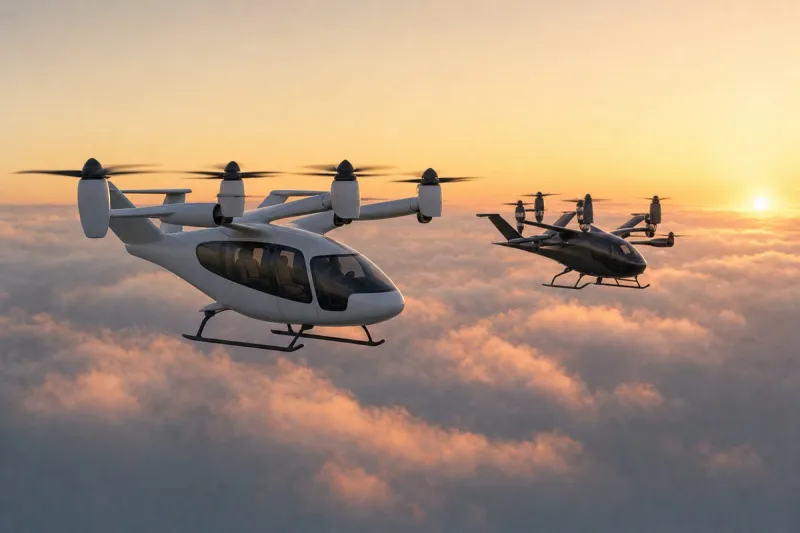
Dutch startup Elysian Aircraft is developing the E9X, a fully electric passenger aircraft designed to carry 88 to 100 passengers on regional routes, using six electric motors and batteries integrated into its wings. Co-founder Daniel Rosen Jacobson told Euronews in an interview published on Oct. 23, 2026 that the company aims to have the aircraft operational by 2034. In July 2025, he told Forbes the company aimed to build a prototype by 2030 and begin commercial service in 2033. The company has not publicly explained the shift, and neither date is a confirmed schedule.
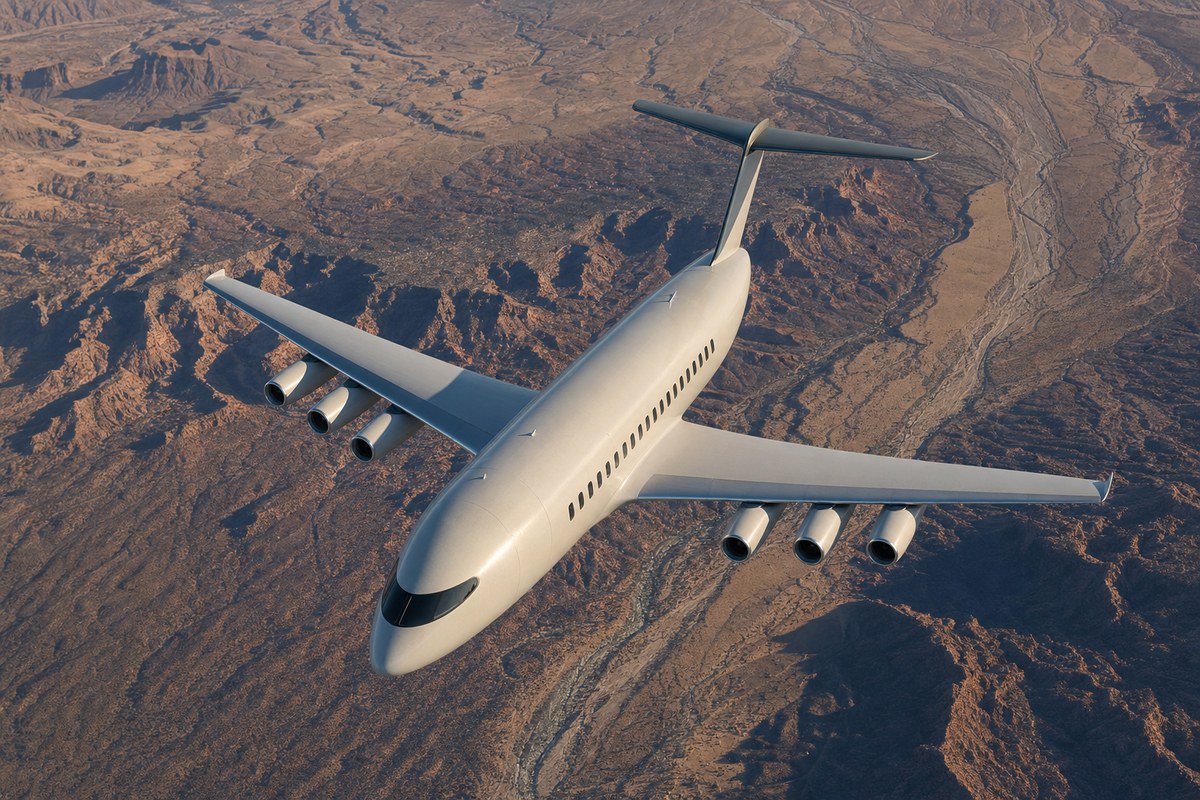
In April 2026, Elysian announced it had completed the E9X's Conceptual Design Review and flown a scaled demonstrator; it has not demonstrated a full-size passenger aircraft. The design targets a range of roughly 750 to 800 kilometers (466 to 497 miles), with a longer-term goal of 1,000 kilometers (621 miles), and the wingspan would exceed 50 meters (164 feet), requiring folding wingtips to fit existing airport gates. German Aerospace Center (DLR) research examined whether a 90-seat aircraft could reach 800 kilometers with batteries at a pack-level energy density of 360 watt-hours per kilogram, and potentially 1,000 kilometers at 440 watt-hours per kilogram. In June 2026, Elysian signed a memorandum of understanding with battery maker ProLogium to explore battery-cell and pack integration for aerospace use, discussing pack-level targets of 320 to 420 watt-hours per kilogram.
Maarten Steinbuch, a professor of mechanical engineering at Eindhoven University of Technology, told Euronews on Oct. 24, 2026 that he expects electric aircraft with about five seats and a 500-kilometer range around 2032, models carrying nine to 20 passengers around 2035, and aircraft with 80 to 90 seats closer to 2040 or later. He was discussing electric aviation generally, not the E9X specifically. On financing, Jacobson estimated in July 2025 that a prototype would cost about US$350 million, with a further US$10 billion needed for testing, certification and production for initial orders, and Euronews reported in October 2026 that Elysian had 10 million euros (about US$11.6 million) in startup capital. Elysian has also worked with KLM and Transavia on requirements for electric aviation, in a knowledge-sharing and workshop initiative that includes no aircraft order or operating commitment.