Airbus and Kratos Complete First European Flight of U740 Valkyrie Uncrewed Aircraft
Why It MattersEuropean defence programmes are pushing for sovereign mission software on uncrewed combat aircraft, positioning Airbus as the integrator of a US-built platform for German and other European air forces.
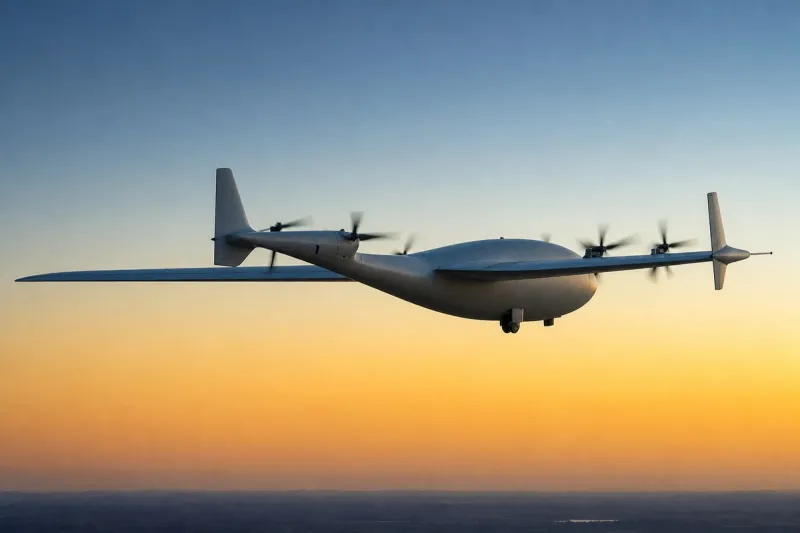
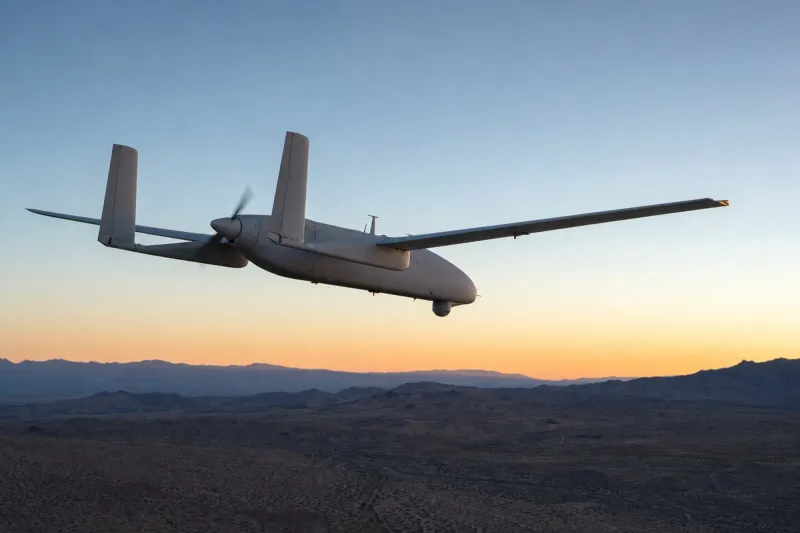
Airbus and Kratos Defense & Security Solutions have completed the first flight of the U740 Valkyrie uncrewed aircraft in Europe, a key step toward a combat-ready Collaborative Combat Aircraft (CCA) by 2029. The programme is intended to meet the operational requirements of the German and other European armed forces. The flight took place at a test facility in Northern Europe and achieved all planned objectives: a rocket-assisted take-off without a conventional runway, manoeuvres at different altitudes, speeds of up to Mach 0.8 and in-flight mission adjustments.
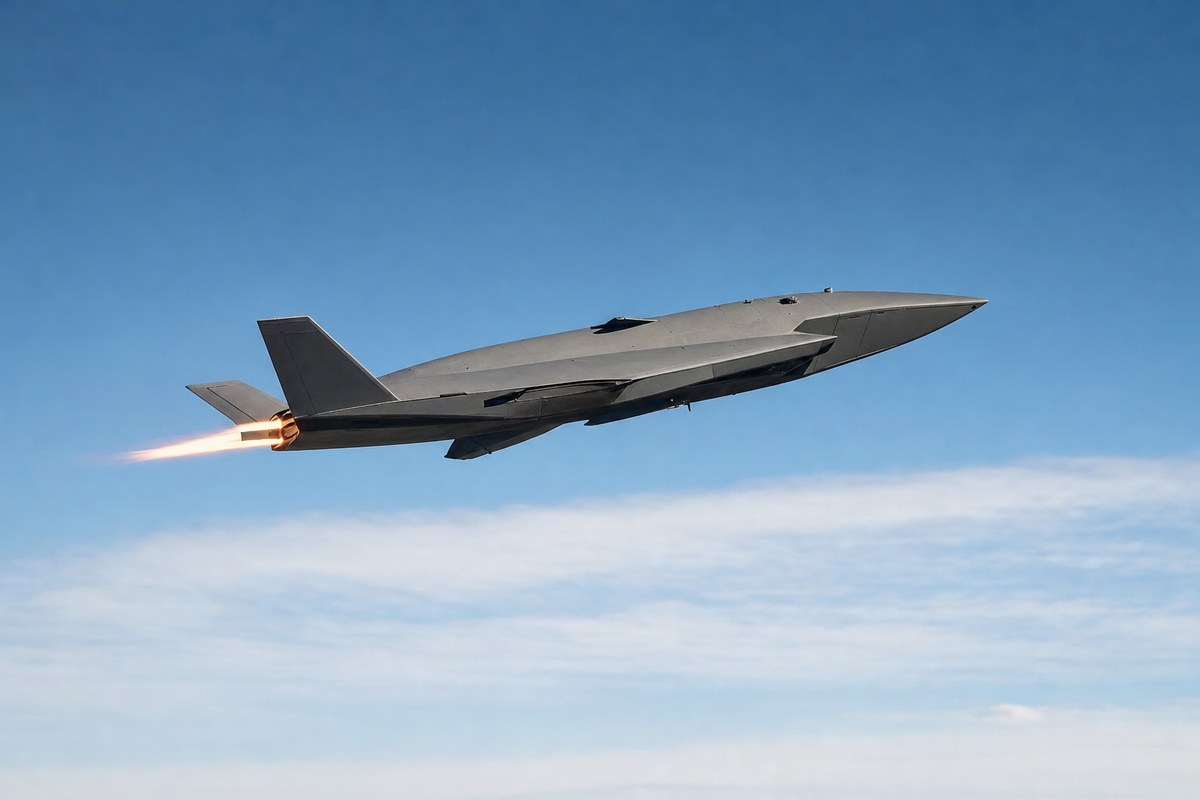
More advanced testing will follow using Airbus' Multi-platform Autonomous Reconfigurable and Secure (MARS) mission system. MARS is designed to give the aircraft a European-controlled software and mission architecture covering mission applications, data and system hardware, intended to give Germany and other European users greater sovereignty over its deployment. The system uses artificial intelligence-enhanced software to carry out missions autonomously and coordinate groups of aircraft, while a defined control hierarchy keeps a human in the decision-making loop.
Mike Schoellhorn, CEO of Airbus Defence and Space, said air forces need affordable combat aircraft numbers to respond to increasingly complex security threats, and that combining Kratos' established platform with Airbus' sovereign European mission system would support delivery of a combat-ready CCA by the end of the decade. Eric DeMarco, President and CEO of Kratos, said the flight demonstrated the maturity of the aircraft system and the integration between the two companies.
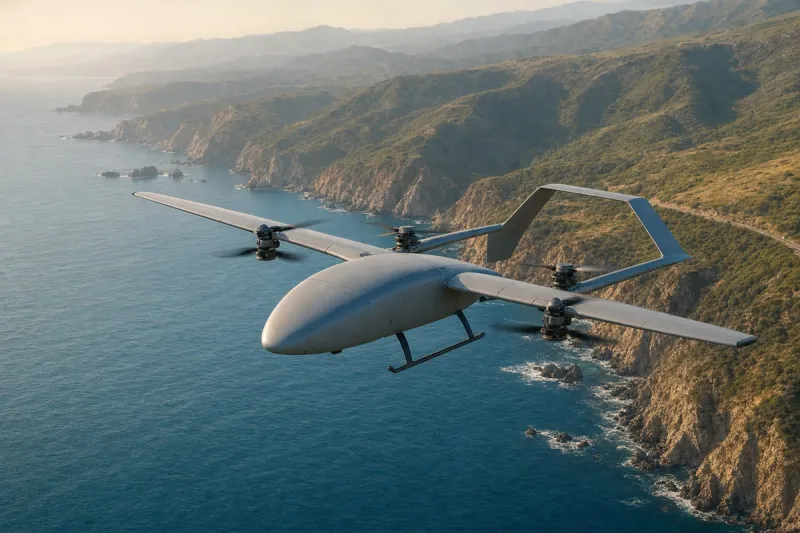
The Valkyrie is also expected to support crewed combat aircraft such as the Eurofighter by extending operational range, increasing firepower and improving survivability. It is 9.1 metres long with an 8.2-metre wingspan, an internal weapons bay and underwing payload stations, a maximum take-off weight of approximately three tonnes, a range exceeding 5,000 kilometres and a service ceiling of 45,000 feet. Its design includes rail-launch capability alongside conventional runway-based take-off and landing.