US Lifts Restrictions on Mexican Airlines at AICM and AIFA; AFAC Gets Record Budget
Why It MattersLifting the US curbs reopens growth for Mexican carriers on cross-border routes, while the larger AFAC budget signals stronger regulatory capacity at a moment when investors favour policy stability.
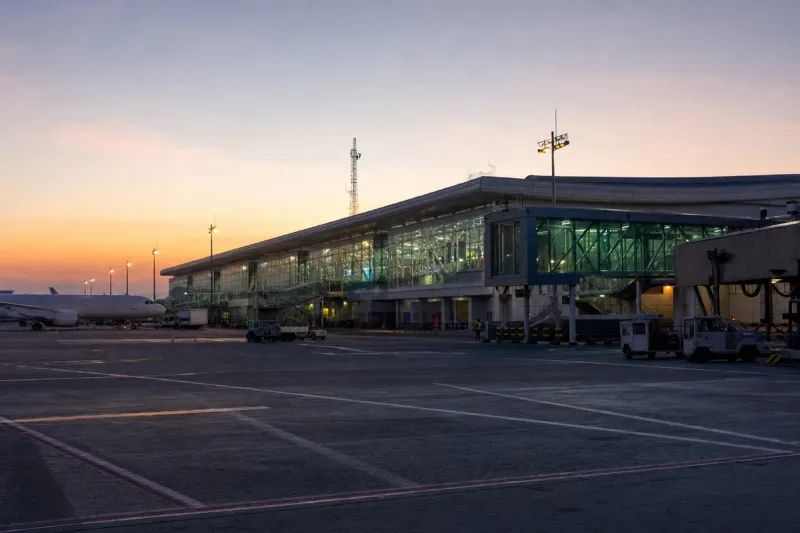
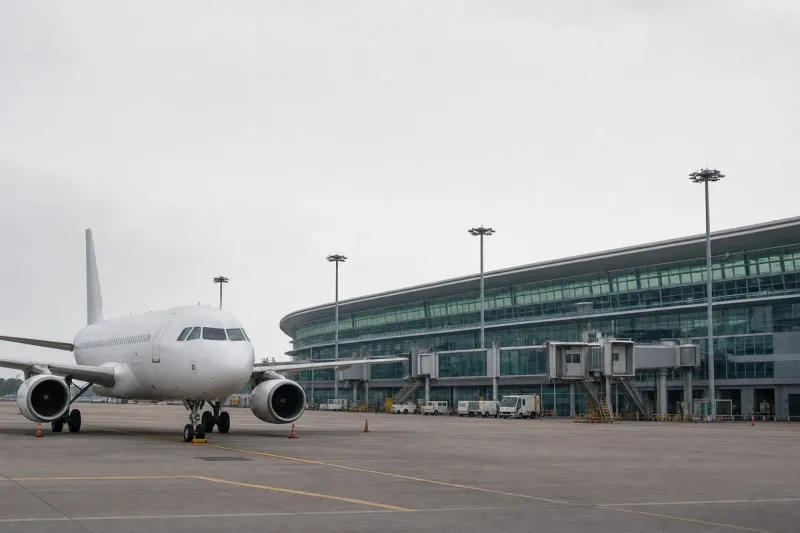
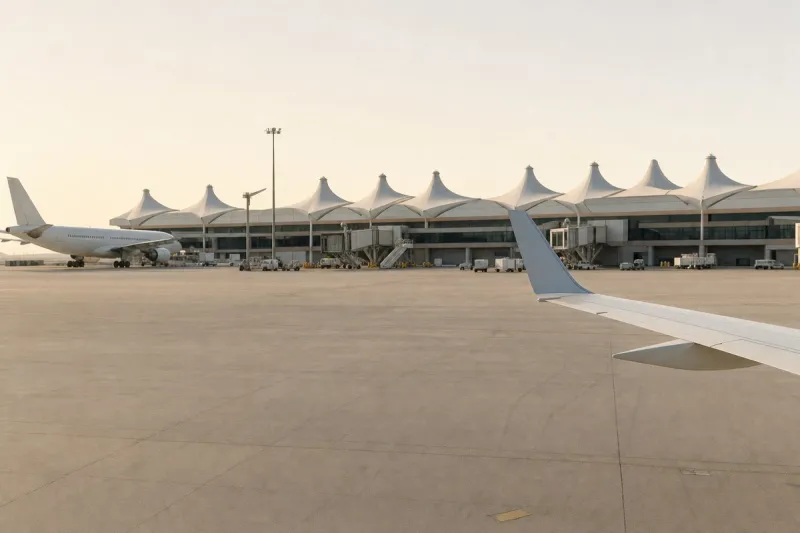
The US Department of Transportation (DOT) has officially revoked the regulatory restrictions that barred Mexican airlines from expanding service into the United States, an immediate boost for cross-border connectivity from both Mexico City International Airport (AICM) and Felipe Ángeles International Airport (AIFA).
Mexico's Federal Civil Aviation Agency (AFAC) is set to receive a record budget of MX$1.4 billion for the upcoming fiscal year, a 56% increase over its 2025 allocation and the largest funding package in the agency's history.
Air France operates a dual-airport setup in Mexico: its dedicated freighters land at AIFA, where it partners with Terminal Logistics for handling, while its passenger fleet continues to carry significant cargo volumes through AICM. The airline manages 120 employees in the market. FEMIA said the main cost of policy uncertainty is indirect, because aerospace is a risk-averse industry that plans investments over long horizons and uncertainty can affect the timing and pace of decisions. Companies generally view these developments as cyclical rather than structural, so investment interest and long-term growth plans remain intact.
Viva Aerobus, described as Mexico's leading ultra-low-cost airline, carries over 30 million passengers annually across a network of more than 60 destinations in the Americas. Digital channels, comprising web, mobile app and metasearch, generate 78.5% of its total revenue.