EU Court Rules Airport Slots and Dublin Terminal Permissions Are Not Protected Property, Allowing Airlines to Lose Historic Slots
Why It MattersThe ruling weakens grandfathered slot rights at congested European airports, shifting the balance of access toward regulators and new entrants and away from incumbent carriers.
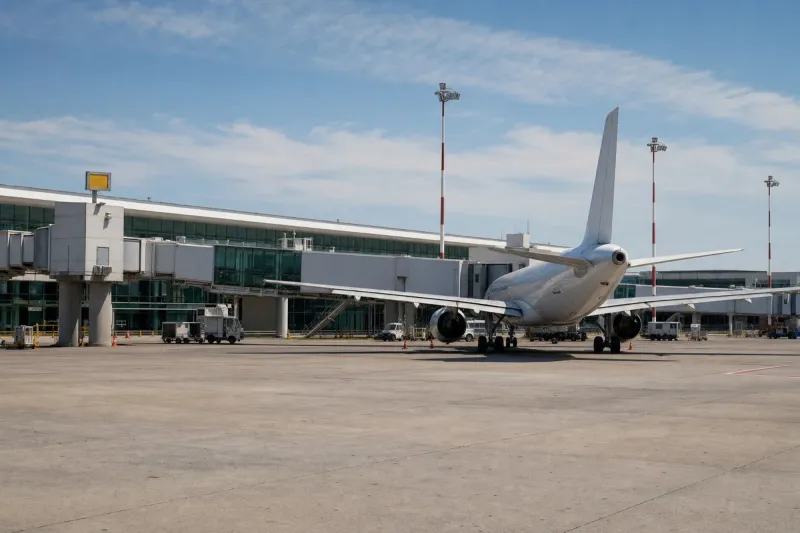
Europe's top court has ruled that airlines can lose historic airport slots and that such slots are not protected property under the EU Charter. In its October 15 ruling in Case C-857/24, the court addressed Dublin Airport's 32 million annual passenger limit, which was imposed through terminal permissions in 2007 and 2008. It held that historic slots are temporary and that these permissions are not protected property, saying they were always conditional.
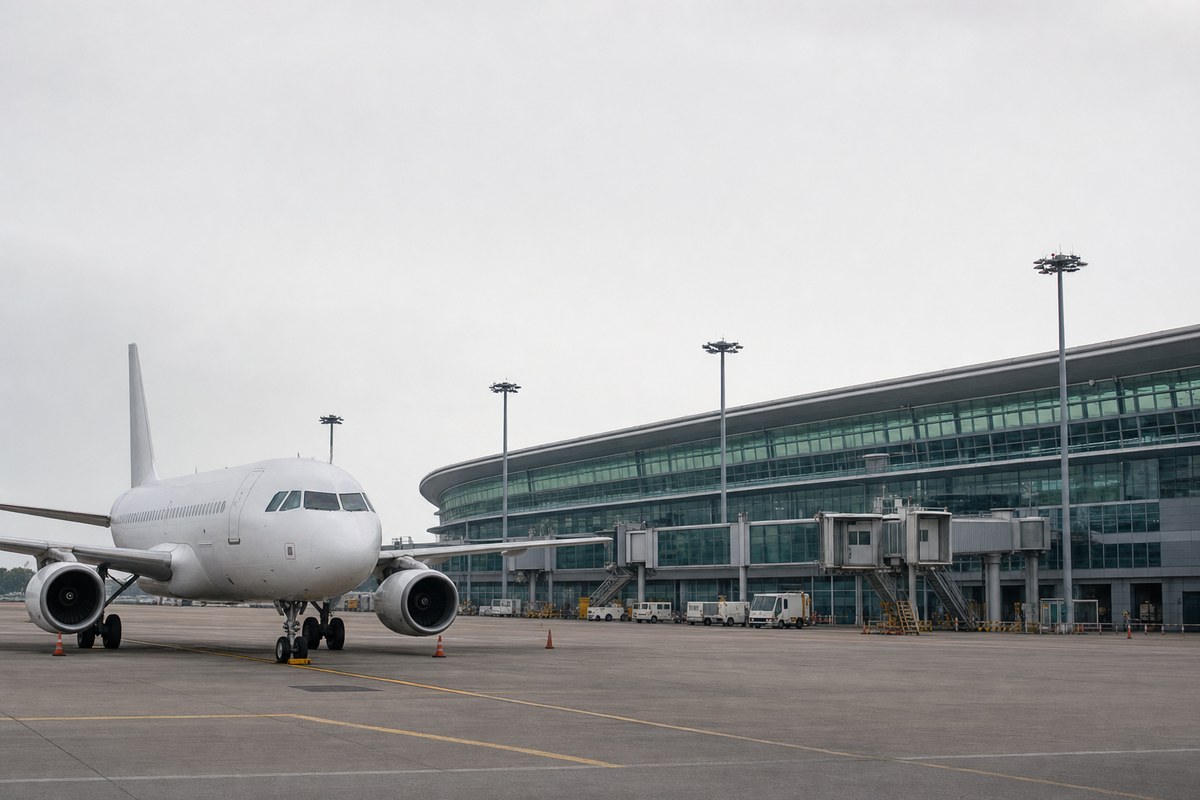
Slots are the right to take off and land at a particular time at an airport, and they determine which carriers can compete. Where demand exceeds the number of flights the government determines can be accommodated, slots can be highly valuable. Allocation generally starts with the airlines already operating there, which keep their access. A new entrant, or an existing airline seeking to grow service, can lease slots from another carrier, which then earns money by passing the right to someone else instead of flying.
The U.S. offers a parallel. In June, Spirit's creditors valued its 22 LaGuardia slots at $87 million, while the FAA threatened to retire them if they did not go to a low-fare carrier. Also in June, the FAA extended staffing-related relief at JFK and LaGuardia through October 30, 2027, under which carriers can return up to 10% of their slots and have them treated as used.
Travel writer Gary Leff argues that use-it-or-lose-it rules can push carriers to operate flights merely to protect future access. He proposes replacing grandfathered slot controls with congestion pricing, in which airlines pay published charges, higher at congested times and lower when capacity is available, with the same price applying to incumbents and new entrants alike. He notes that such a system would need usable gates and terminal access, and would not override air traffic control's safe operating limits.