Singapore Plans 11-Aircraft Surveillance Network of G550 and P-8A Jets for Sea-Lane Defence
Why It MattersPairing a shared business-jet airframe for wide-area sensing with a smaller armed fleet shows how mid-size air forces stretch scarce high-end flying hours, while integrator, schedule and price remain undisclosed.
What happened
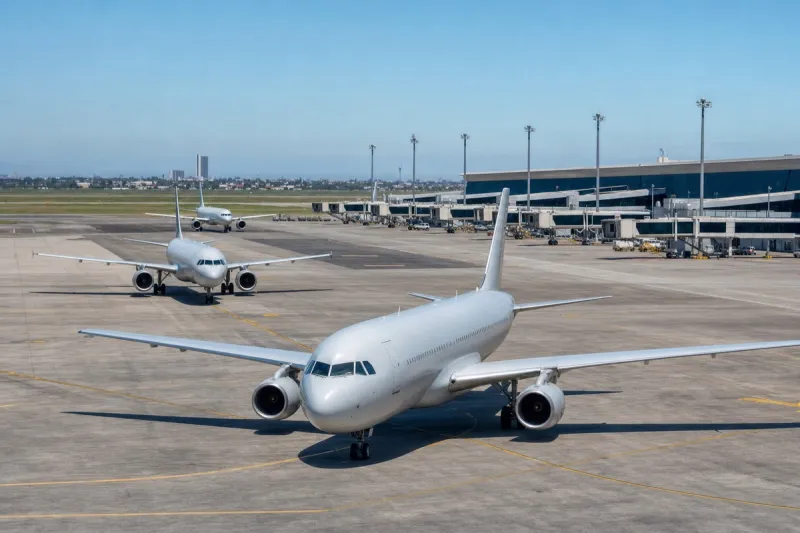
Singapore is building a layered airborne surveillance force made up of four operational G550 airborne early-warning (AEW) aircraft, three planned G550 maritime-surveillance (MSA) jets and four Boeing P-8A Poseidons, eleven aircraft in total. The force is intended to detect, classify and prosecute threats in the approaches linking the Malacca Strait and the South China Sea, replacing the limited reach of the ageing Fokker 50 fleet with jet-powered platforms.
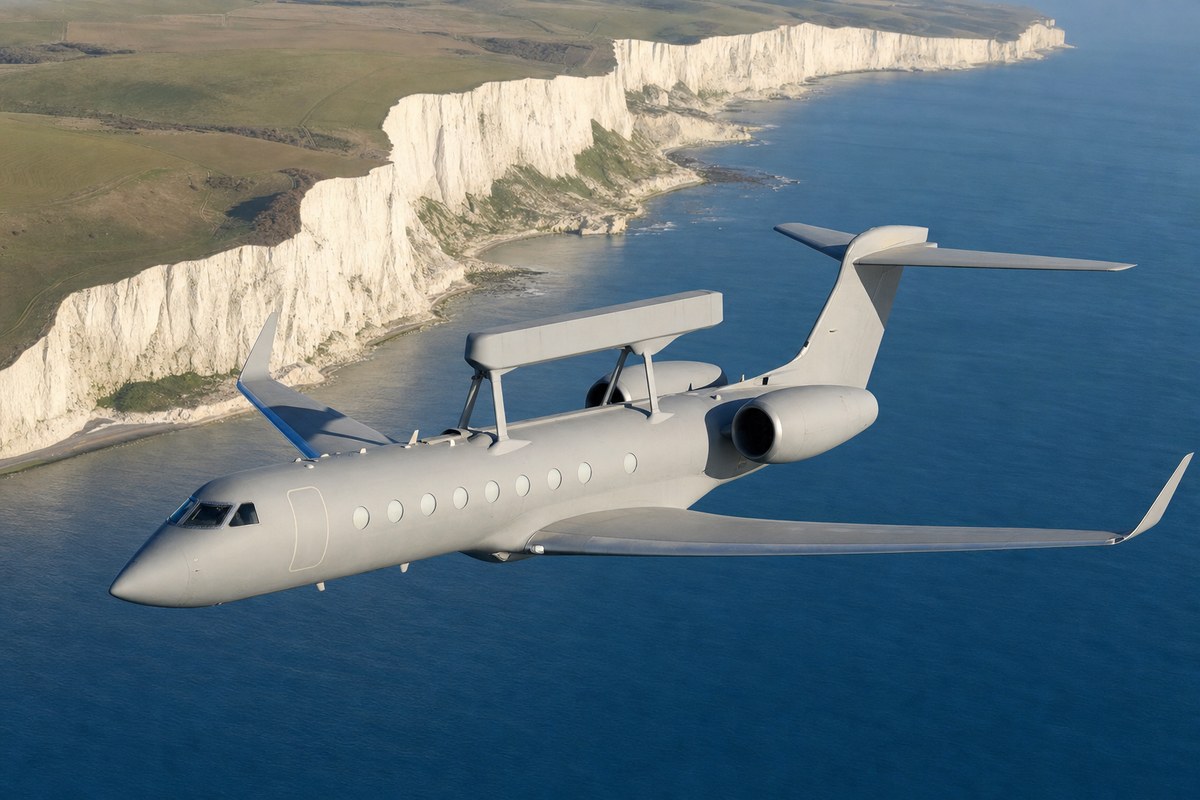
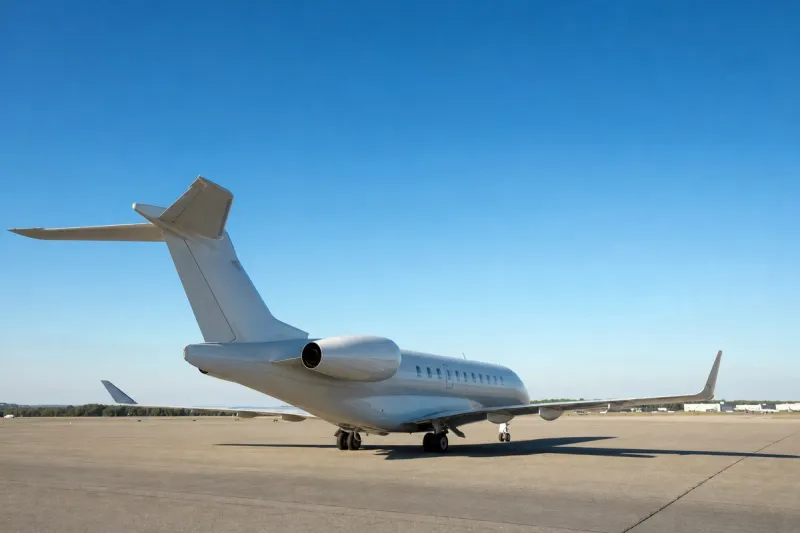
The four G550-AEWs are operated by 111 Squadron from Tengah Air Base. They entered service between 2009 and 2011, reached full operational capability in April 2012 and replaced four E-2C Hawkeyes. They are built around the EL/W-2085 conformal airborne early-warning suite from Israel Aerospace Industries and Elta Systems, provide 360-degree coverage with L-band and S-band arrays, and are crewed by six Air Warfare Officers. Singapore states the system detects aerial targets beyond 200 nautical miles (370 kilometres); broader published figures for the radar family indicate about 450 kilometres.
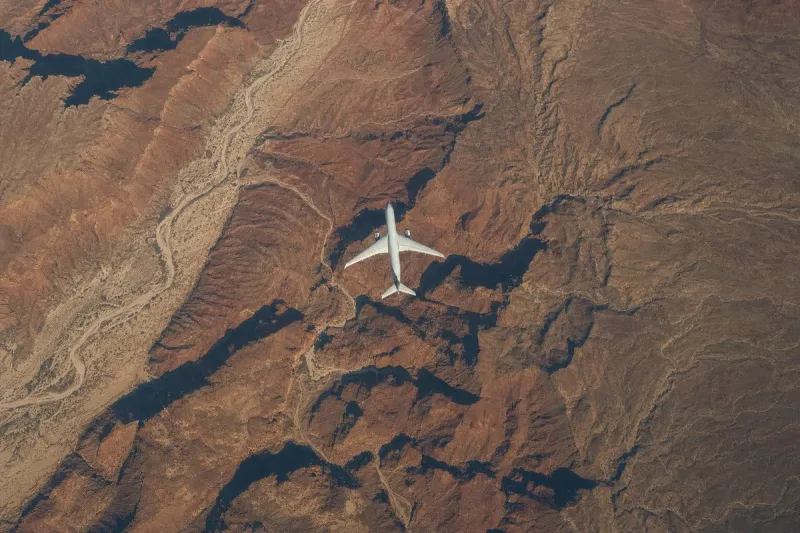
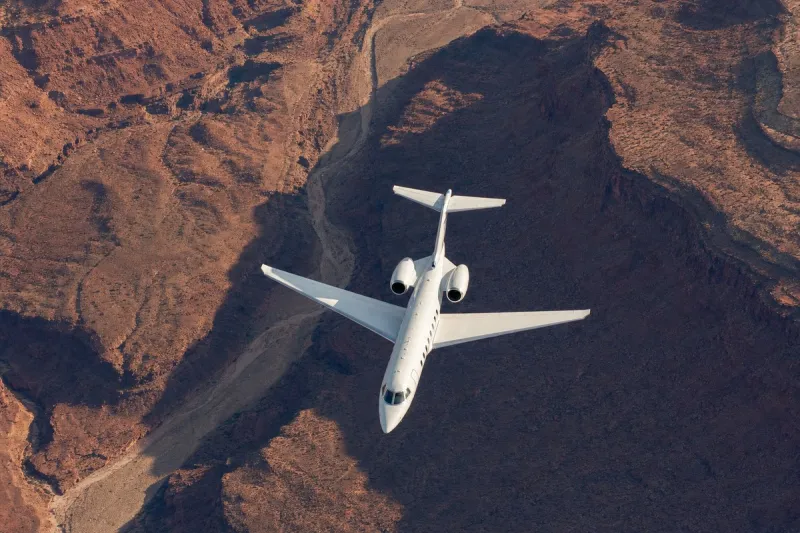
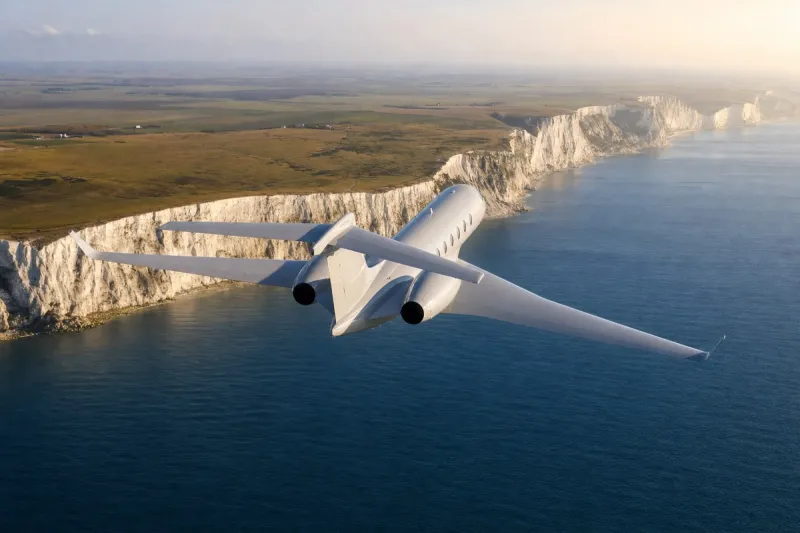
The three unarmed G550-MSAs were announced on 27 February 2026. They would maintain the wide-area surface picture using maritime radar, electro-optical and infrared sensors, Automatic Identification System reception, integrated communications and self-protection equipment. They share the G550 airframe with the AEW fleet, which reduces training and sustainment complexity, and would preserve P-8A flying hours for armed missions. Singapore has not disclosed the systems integrator, radar model, delivery schedule or unit price.
Singapore selected four P-8As in September 2025, and the United States approved a US$2.316 billion Foreign Military Sale in January 2026 covering the aircraft, eight MK 54 Mod 0 torpedoes, mission systems, defensive equipment, training and support. The P-8As would investigate or prosecute submarine contacts, completing a sensor-to-shooter chain.
Defence Minister Chan Chun Sing has described the approach as combining high-end platforms with complementary systems for persistent coverage at acceptable cost. The purchases also increase interoperability with P-8 operators including the United States, Australia, India, New Zealand, Britain and South Korea. China previously objected to rotational American P-8 deployments from Singapore.
Industry impact & what to watch
The structure shows a pattern in how smaller air forces build maritime awareness: a business-jet airframe carries the sensors that need long endurance and wide coverage, while a smaller number of purpose-built, armed aircraft is held back for the missions only they can fly. Putting the G550 in both the AEW and MSA roles concentrates training, spares and maintenance on one type, which is where the cost argument in the minister's description is likely to be won or lost.
For the business-aviation supply chain, it is another case of a large-cabin jet airframe becoming the platform for special-mission conversions, with the economic value sitting in the integration work rather than the aircraft itself. That is why the undisclosed integrator, radar model and delivery schedule matter: they decide who captures that work and when the three MSA jets can relieve the P-8A fleet.
The open question is how the eleven aircraft will operate as one system. The disclosed information does not establish whether every platform will exchange targeting-quality data under all conditions, and the first public detail on the MSA integrator or delivery timeline would be the clearest sign of how far along the plan is.