Opinio Juris Analysis: U.S. Sanctions on Iranian Airlines Raise Third-State IHL Obligations Under the Geneva Conventions
Why It MattersSecondary sanctions covering fuel, ground handling and ticketing push compliance risk beyond Iran's carriers onto foreign airports, handlers and service providers that support flights to Iran.
Dr. Katayoun Hosseinnejad, an independent researcher and consultant, published an Opinio Juris post in association with the International Commission of Jurists examining how U.S. sanctions on Iranian airlines affect third States' obligations to ensure respect for the Geneva Conventions.
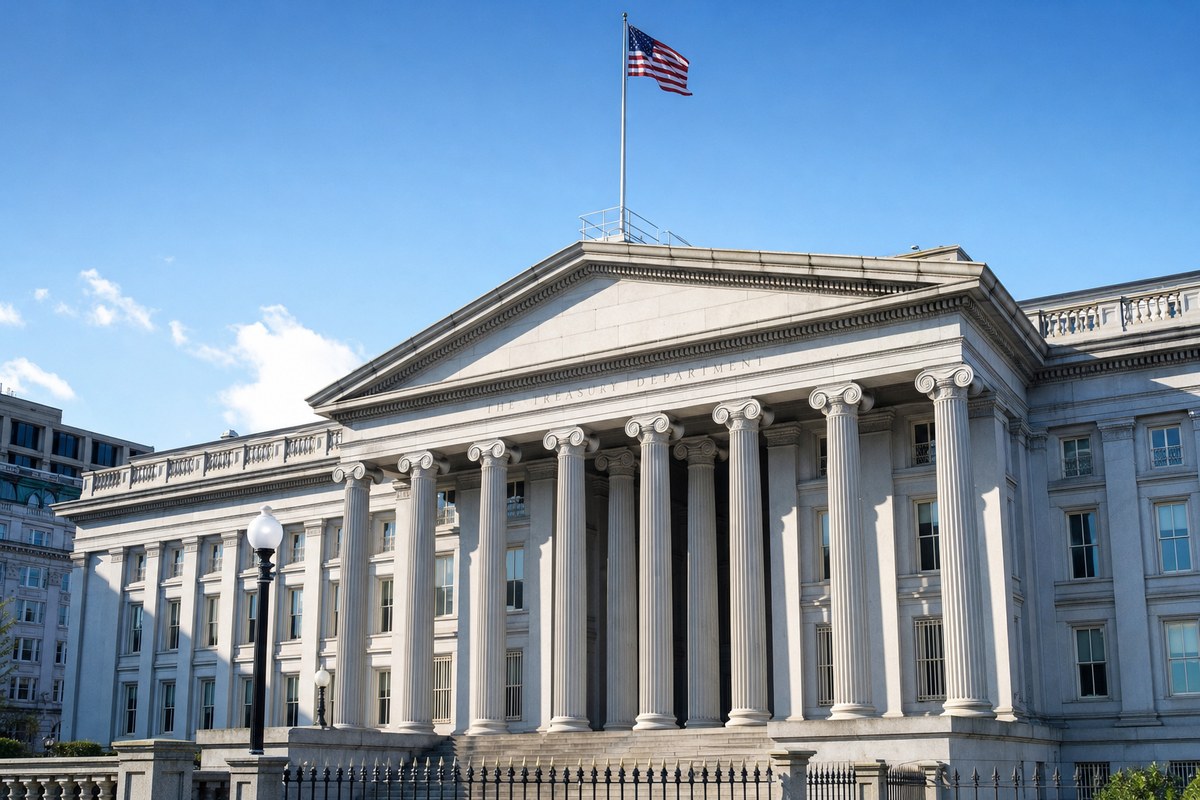
The U.S. Department of the Treasury launched "Operation Economic Outcast", described as an economic campaign against Iran's "lifelines". Treasury said every country will be given a defined timeline to shut down identified Iran-related activity, and that it will act if they fail to do so. Under Executive Order 13902, the Office of Foreign Assets Control issued sectoral determinations covering digital assets, technology, gold, aviation and shipping, widening its ability to sanction any foreign person operating in or supporting those sectors.
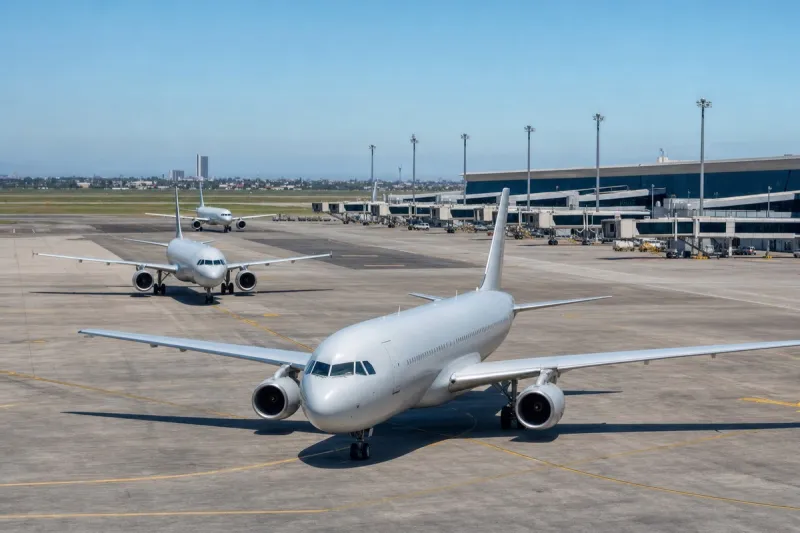
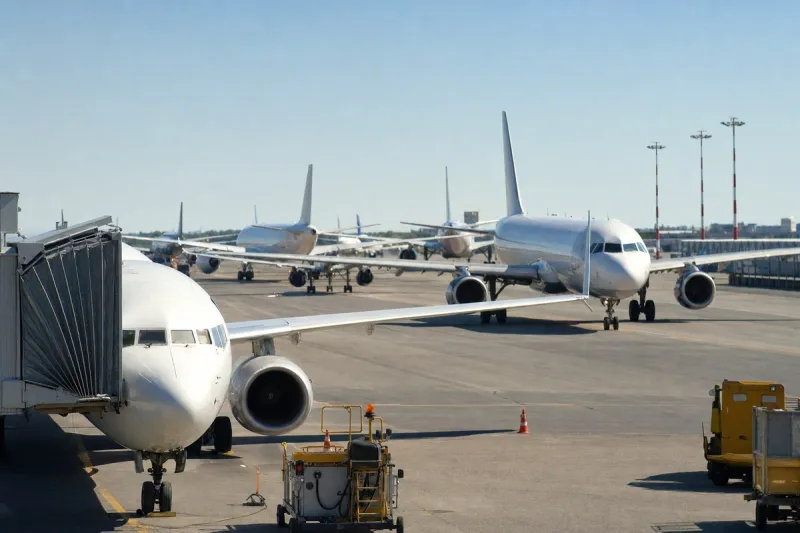
The author says Iran's active fleet stands at 75 aircraft operated by 23 airlines under its Civil Aviation Authority, all of them sanctioned, so the entire civil aviation system is covered. Treasury Secretary Scott Bessent said in a CNBC interview that all Iranian airlines would be shut down by September 23 through the threat of secondary sanctions, and that providing fuel, landing services or tickets to Iranian airlines that land would risk exclusion from the dollar system. The author notes that such ground-handling services may be run by State organs or entities exercising public functions.
The post argues that secondary sanctions have been widely regarded as unlawful and illegitimate, and that, because an international armed conflict is ongoing between Iran and the United States, the rules of international humanitarian law also apply. It argues that measures disrupting civil aviation, together with a naval blockade of Iran's southern ports, harm civilians, and that when imposed in an armed conflict they may amount to collective punishment of protected persons. It cites Article 33 of the Fourth Geneva Convention and the ICRC's commentary, which treats the punitive purpose as central to that prohibition.