Air Force One vs Air Force Two: Call Signs for Presidential and Vice-Presidential Flights, and the Jets Behind Them
Why It MattersThe call-sign system lets one small government fleet serve presidential and vice-presidential travel on whichever aircraft fits the mission, while civilian and military flights share a single air traffic control convention.
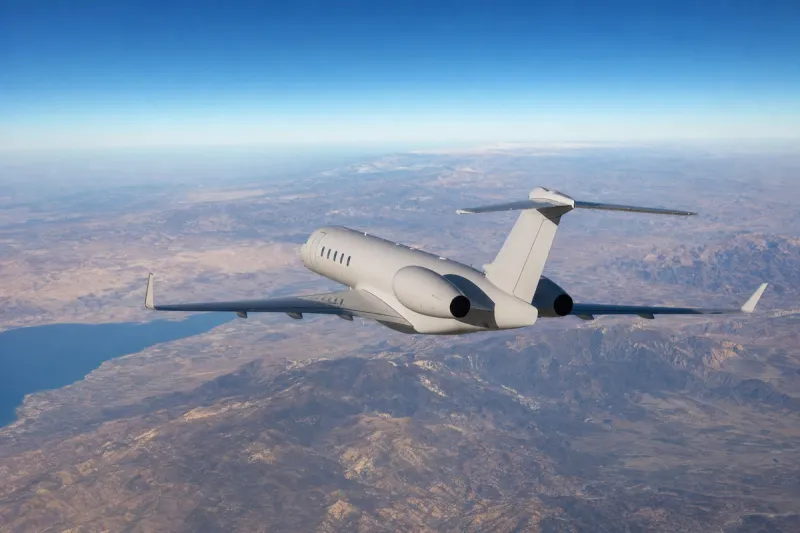
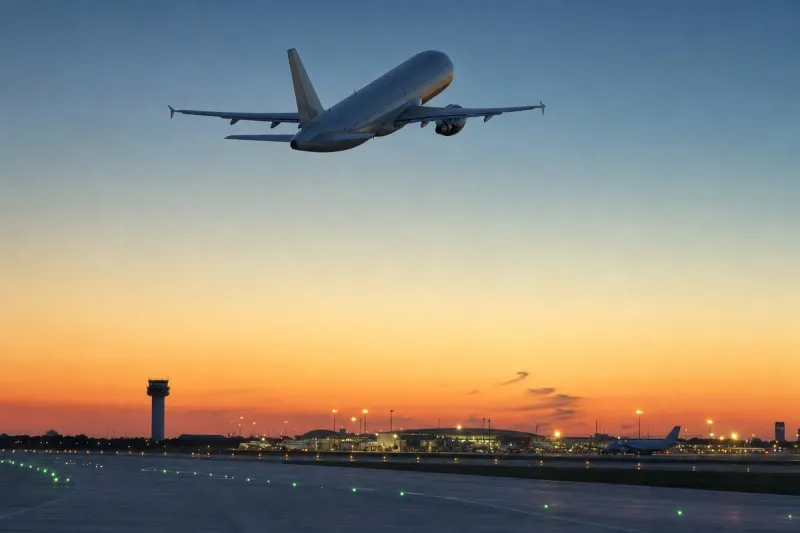
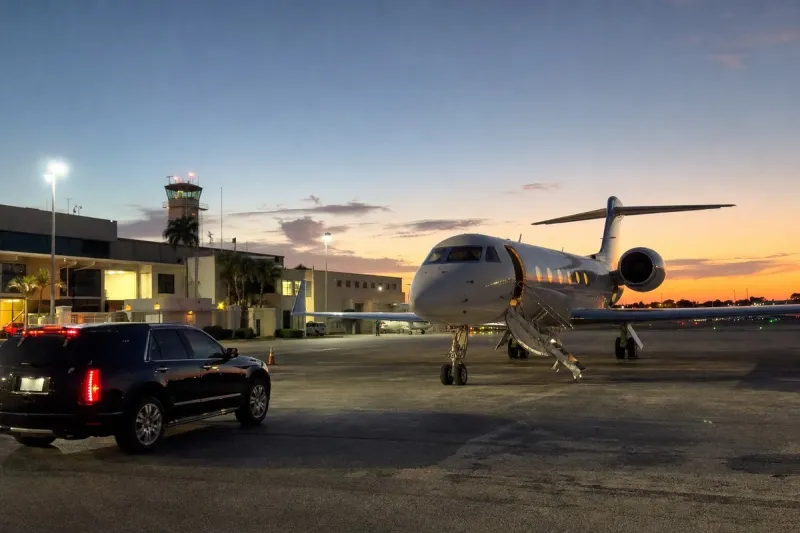
Air Force One and Air Force Two are radio call signs, not specific aircraft. Under FAA Order JO 7110.65, controllers use the service name plus "One" when the president is aboard a military aircraft and the service name plus "Two" when the vice president is aboard. An Air Force jet therefore becomes Air Force One or Air Force Two, a Marine helicopter becomes Marine One or Marine Two, and a civilian aircraft becomes Executive One or Executive Two. When neither leader is aboard, the jets fly as Special Air Mission flights under call signs such as SAM 28000.
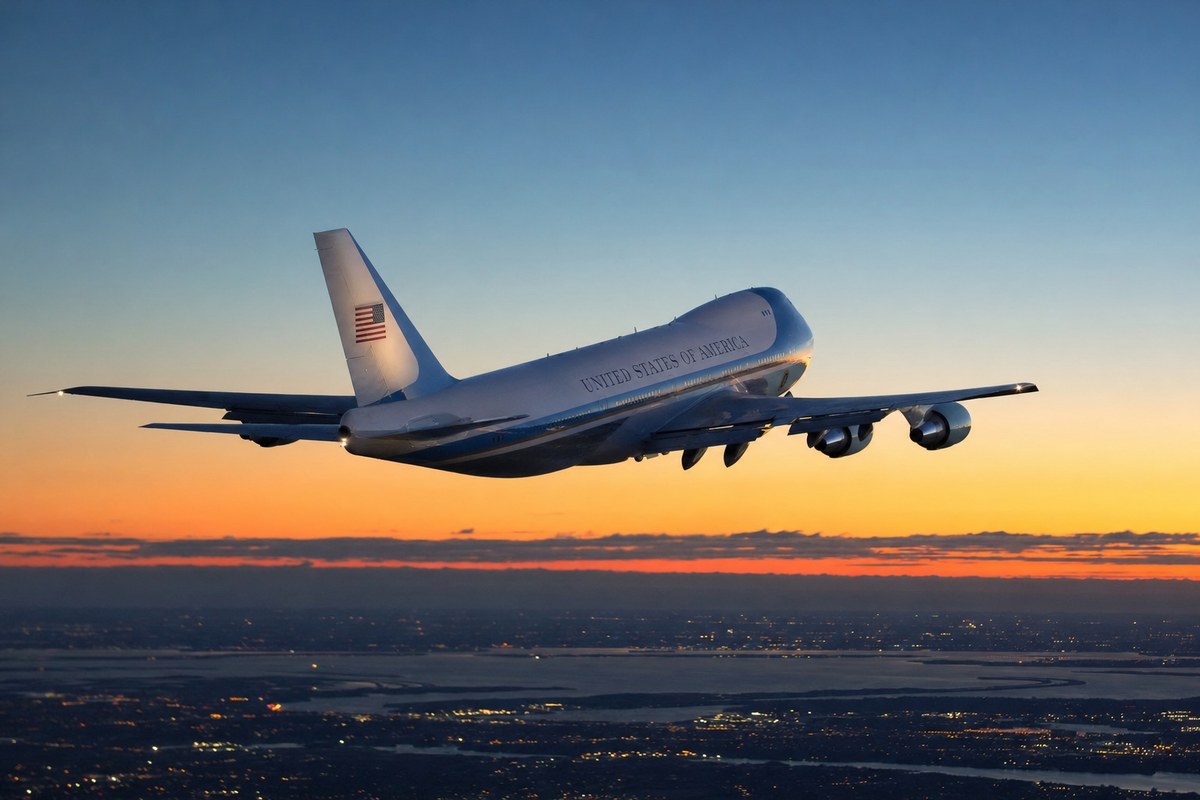
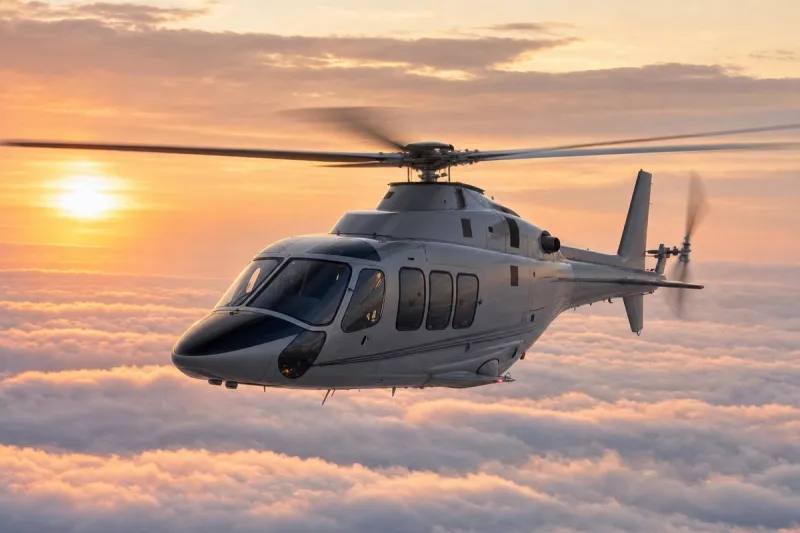
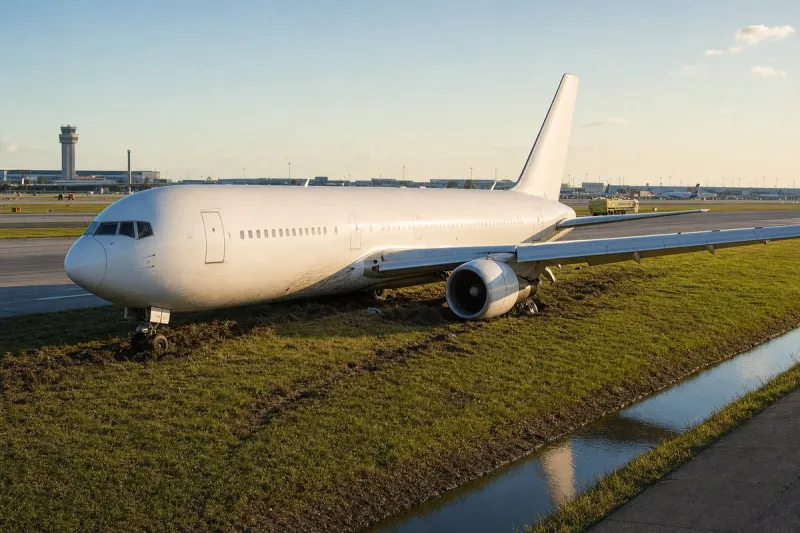
The aircraft usually behind Air Force One is the VC-25A, a modified Boeing 747-200B. The Air Force operates two, tail numbers 28000 and 29000, in service since Sept. 6, 1990, each with four General Electric CF6-80C2B1 engines. Per the Air Force fact sheet it carries 71 passengers and 30 crew, has a range of 7,800 miles (12,550 km) with in-flight refueling available, a maximum takeoff weight of 833,000 lb (377,800 kg) and a top speed of 630 mph (Mach 0.92). A third jet, the VC-25B Bridge, a Boeing 747-8 gifted by Qatar and converted by L3Harris, joined the fleet in July.
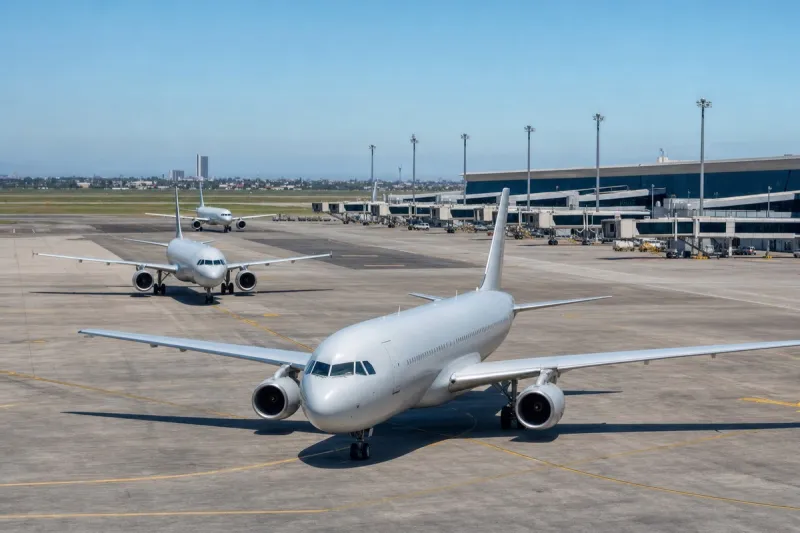
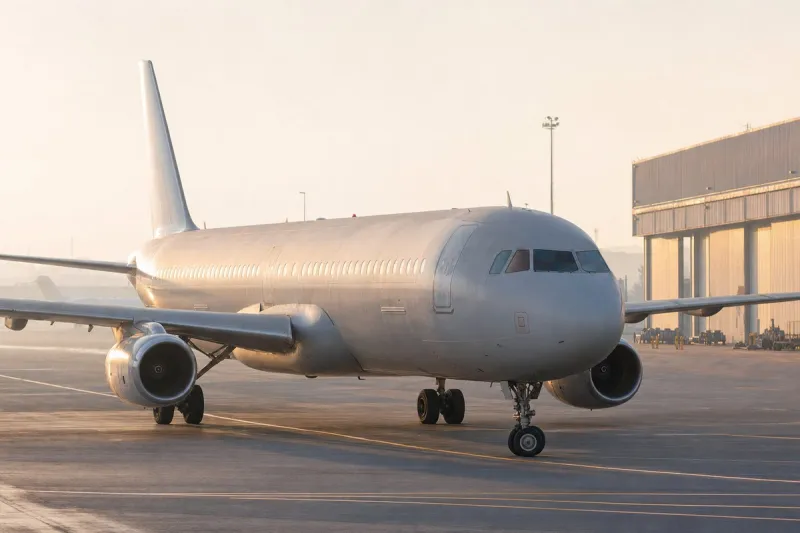
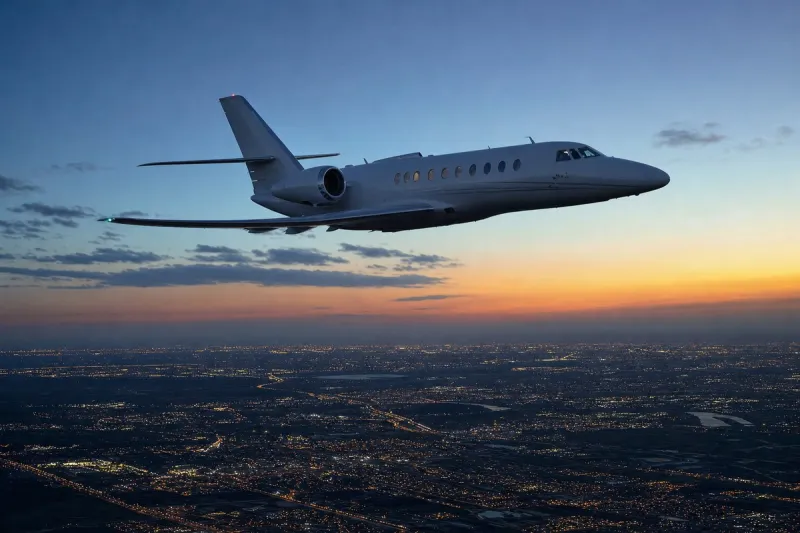
Air Force Two is usually the C-32A, a military Boeing 757-200 with two Pratt & Whitney PW2040 engines, in service since June 19, 1998. It carries 45 passengers and 16 crew, is rated at 5,500 nautical miles (about 6,330 miles, or 10,190 km) unrefueled, has a maximum takeoff weight of 255,000 lb (115,670 kg) and a cruise speed of 537 mph, and can use runways as short as 5,000 feet. The Air Force fact sheet lists four C-32As, while The War Zone counts about eight. The VC-25A flies about 1,470 miles farther and carries 26 more passengers.
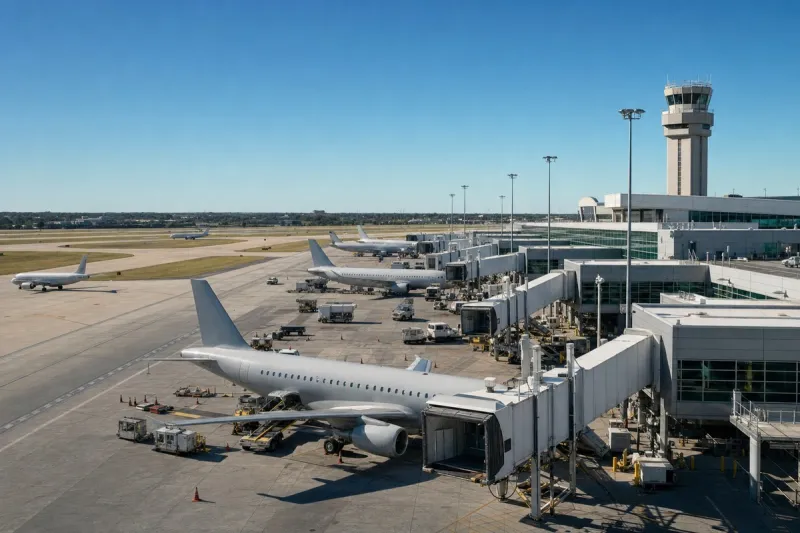
On cost, the VC-25A's FY2021 average cost is $177,843 per flight hour, while the C-32A's FY2026 Department of Defense reimbursable rate runs from $17,814 to $19,354 per hour. Because the figures are different measures from different years, the roughly 10-to-1 gap is an order of magnitude rather than an exact ratio. Both fleets are flown from Joint Base Andrews: the VC-25 by the Presidential Airlift Group and the C-32A by the 1st Airlift Squadron, 89th Airlift Wing. Vice presidents have flown a VC-25A as Air Force Two on long trips, and presidents fly the C-32A as Air Force One when an airport requires a smaller aircraft.