Mingo County Airport Authority Reviews Five-Year Plan Prioritizing New Hangars
Why It MattersFull hangars and thin fuel-and-rent revenue at a small public-use airport show how grant-dependent general aviation fields are, with new hangar rental income the main route to financial self-sufficiency.
The Mingo County Airport Authority, which operates the publicly owned, public-use general aviation airport in Mingo County, West Virginia, has reviewed its five-year improvement plan. Leigh Ann Ray, administrative assistant to the authority, said the airport has 12 based aircraft and 10 hangars, all of them occupied. It serves business travelers, aviation enthusiasts, visitors flying in to ride trails, and transient pilots stopping to refuel. The authority does not count arrivals and departures, but fuel sales typically run between $5,000 and $6,000 per month.
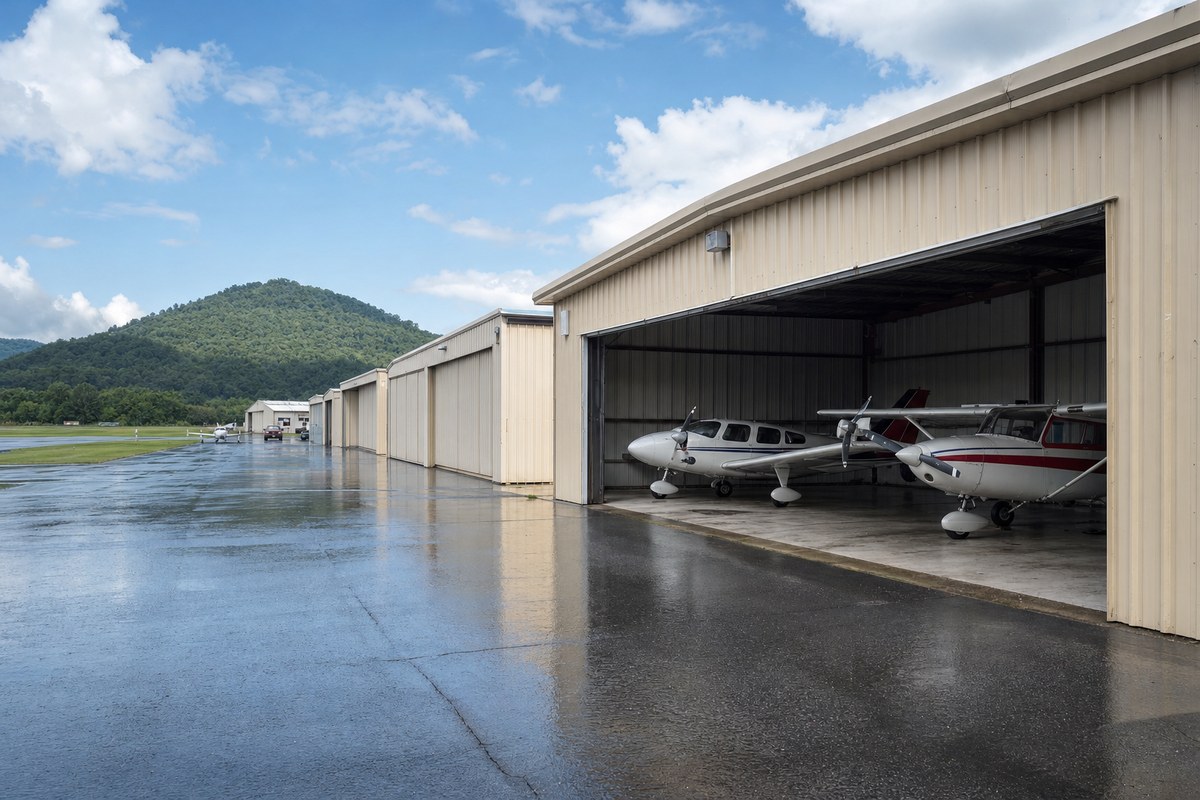
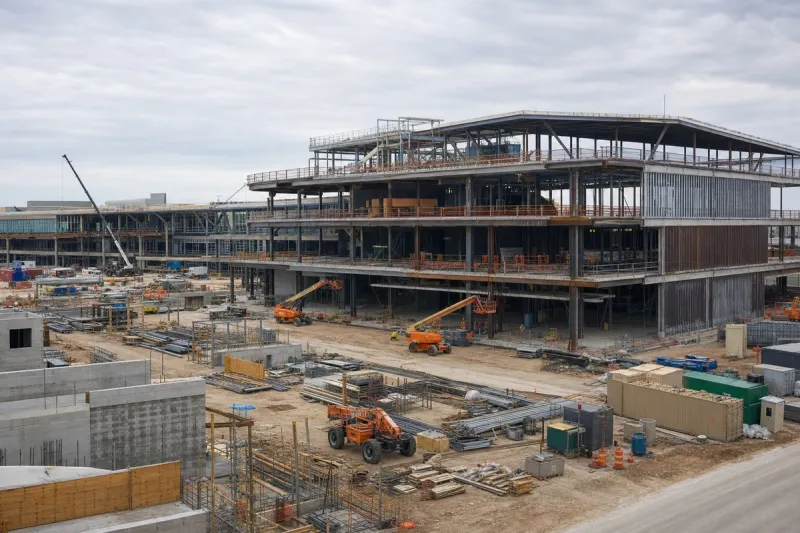
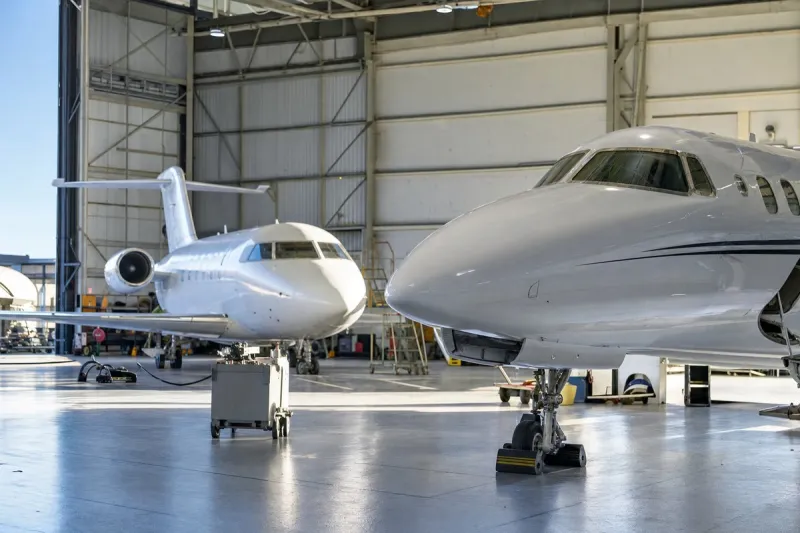
The authority reviews the plan each year, and its priority is building additional hangars, which Ray said would generate rental income because current hangars are full. The recently approved plan, now forwarded to the FAA, also names a four-unit T-hangar as a major future project, though authority members have raised questions about the potential costs of listed projects. Other proposals include replacing aging snow removal equipment, eventually building a permanent terminal building, and adding a weather reporting system that pilots have requested.
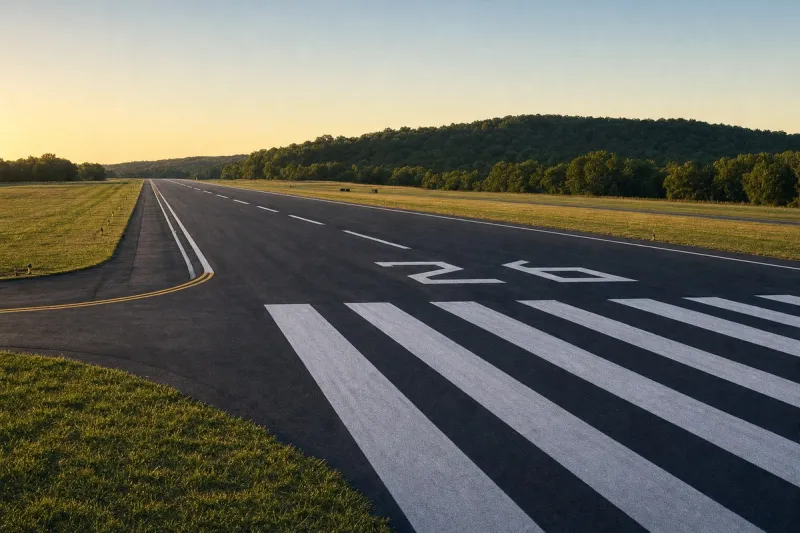
Work is already underway to resurface taxi areas and the tarmac and add drainage, after engineers identified additional work needed following runway improvements. Ray put the project at a couple hundred thousand dollars. The airport generally receives one or two FAA grants annually, about 14 or 15 over the past decade, and spent over $600,000 in FAA money last year. It also received $3.3 million in congressional direct spending that paid for the final roughly 1.5 miles of its access road.
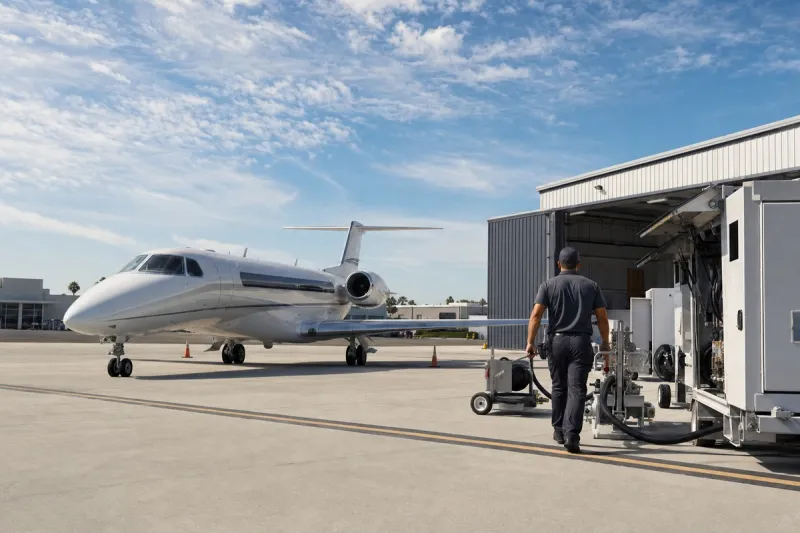
Day-to-day revenue comes from fuel sales and hangar rent, against typical monthly expenditures of $6,000 to $7,000. The Mingo County Commission pays for assistance when needed, including a new fueling system installed in 2025. The authority is a component of county government but tries to operate independently. It also receives state funding through the West Virginia Department of Transportation's Division of Multimodal Transportation, including matching funds for federal projects and an annual $12,500 grant available to airport authorities.