US Navy and Shield AI Commit $400 Million to X-BAT VTOL Unmanned Combat Aircraft
Why It MattersNaval funding for a runway-independent, AI-piloted combat aircraft signals growing military reliance on autonomous VTOL platforms, a trend that may spill over into dual-use autonomy and propulsion technology.
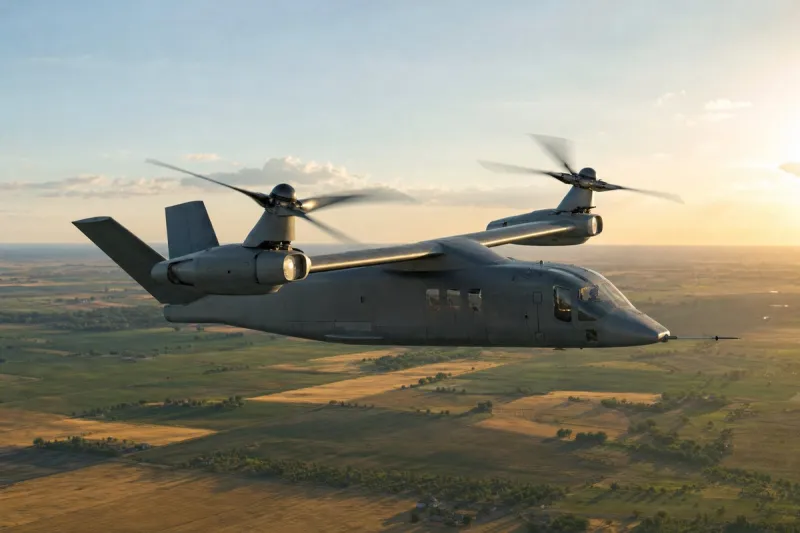
The U.S. Navy and Shield AI announced a total investment commitment of $400 million for the X-BAT, an AI-powered unmanned combat aircraft capable of vertical take-off and landing without a traditional runway. Shield AI matched $150 million in new Navy funding through its Defense Exportability Features program with an equivalent amount, plus an additional $50 million from the RIMES initiative and the Defense Innovation Unit, along with the company's own capital. The announcement was made on October 8, 2026.
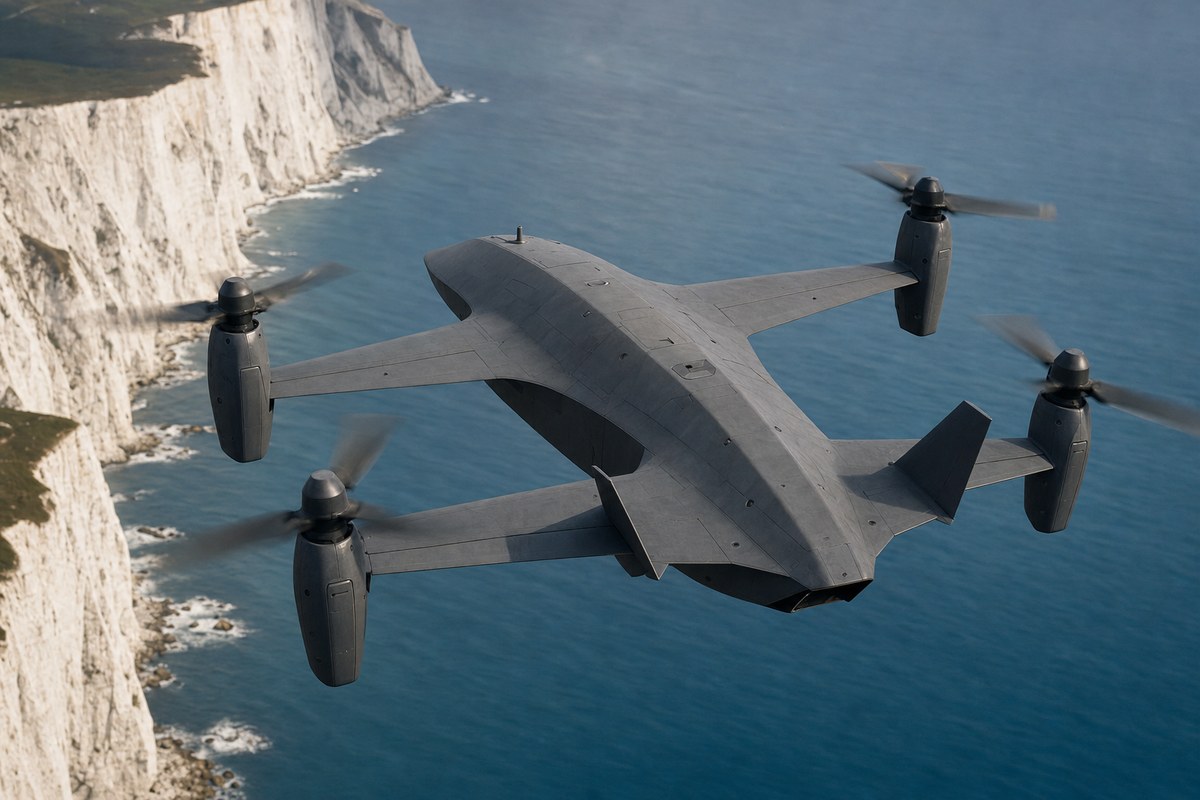
X-BAT is designed as a stealth multirole aircraft with a wingspan of about 11.9 meters and a fuselage length of about 7.9 meters. Design objectives include a range of about 3,700 km, a ceiling above 15,240 meters, and maneuverability exceeding 4G. Three X-BATs can occupy the deck space of one manned fighter, and VTOL capability allows deployment from warships, remote islands or forward positions lacking aviation infrastructure, reducing reliance on fixed bases vulnerable to long-range missiles.
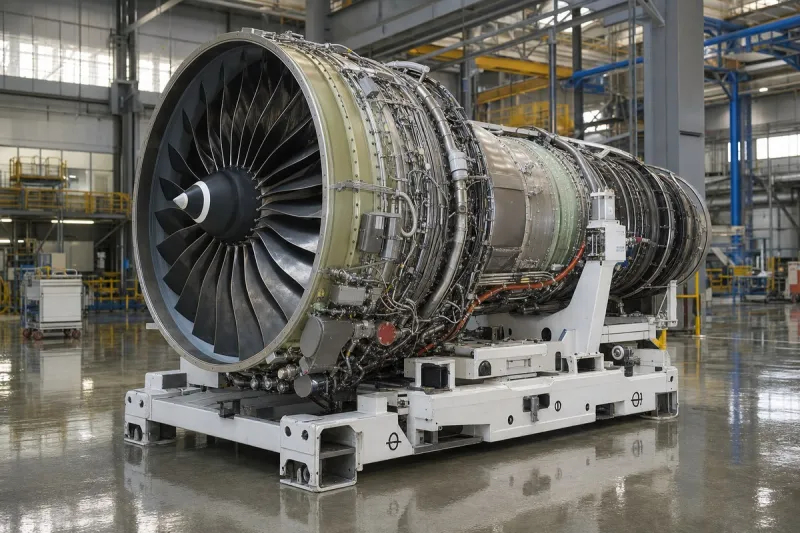
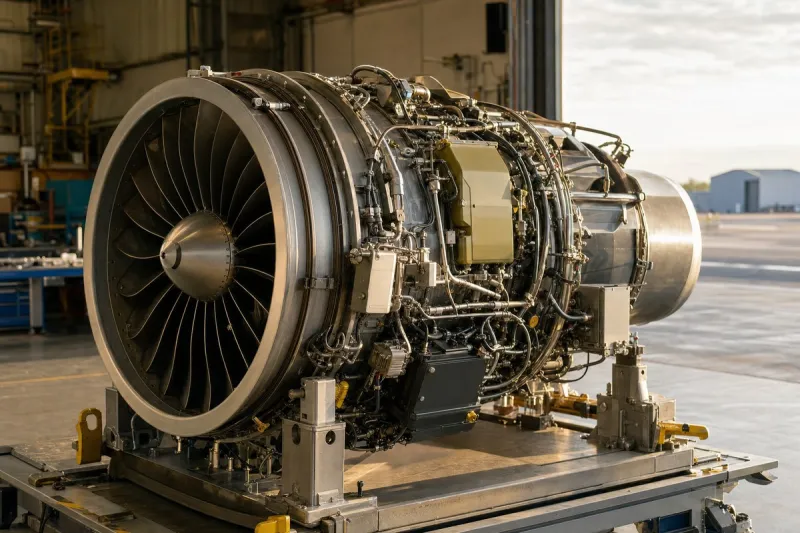
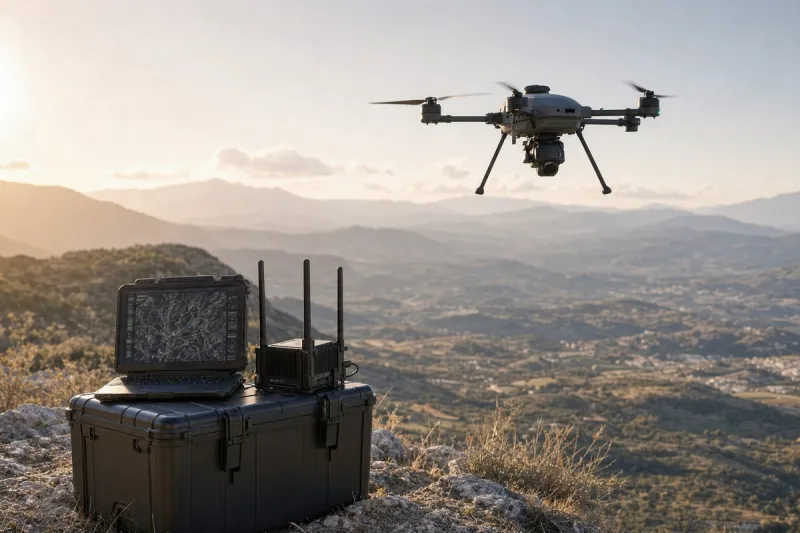
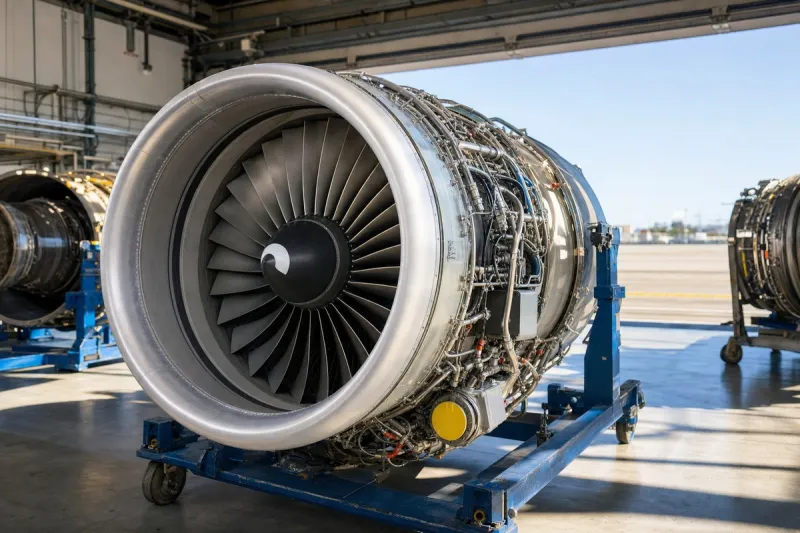
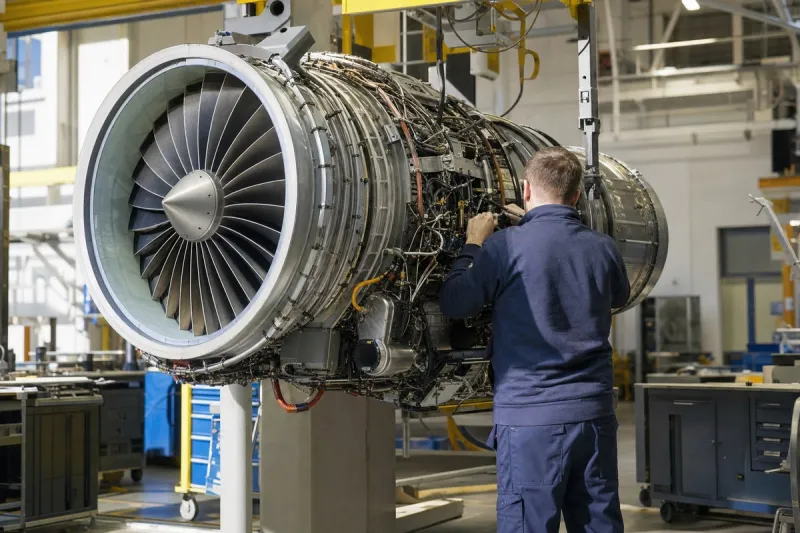
The aircraft uses a GE Aerospace F110-GE-129E engine combined with thrust-redirecting nozzles. Shield AI's Hivemind autonomous software acts as an "AI pilot," handling navigation, tactical decision-making and coordination among multiple aircraft, and is designed to operate under GPS interference or communication disruption. Weapons are carried in an internal bay to preserve stealth, with external pylons optional for larger munitions.
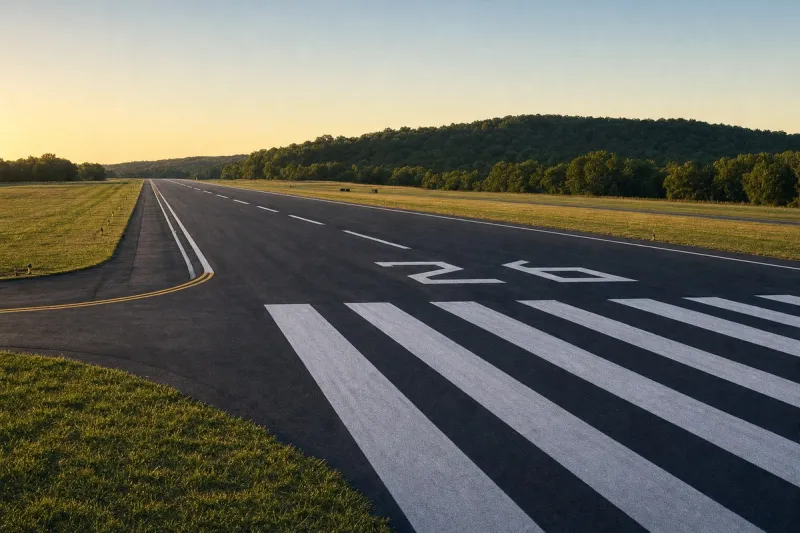
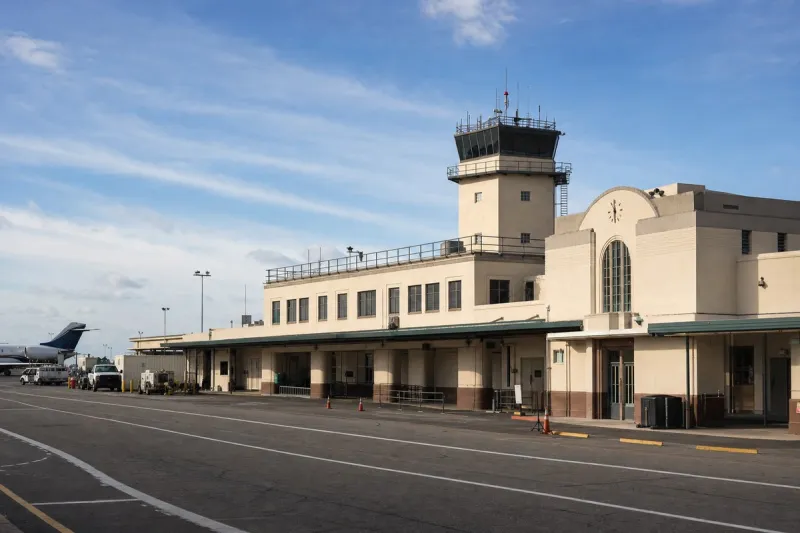
About 500 engineers from Shield AI and its suppliers have completed engine start-up testing, integration of the thrust-redirecting nozzles and wind tunnel aerodynamic testing. Flight testing is to take place at Newton City-County Airport in Kansas, with production planned near Seattle, Washington. First test flights are scheduled for the end of 2026, with the goal of mission capability by 2028 and production starting in 2029, subject to test results.