FlyOnE Logs 1,350+ Electric Commercial Flight Hours in Australia, Eyes 70-Aircraft Fleet by 2030
Why It MattersThe venture signals growing commercial viability for electric flight training and charter models in regional Australian aviation, pairing fleet expansion with charging infrastructure buildout.
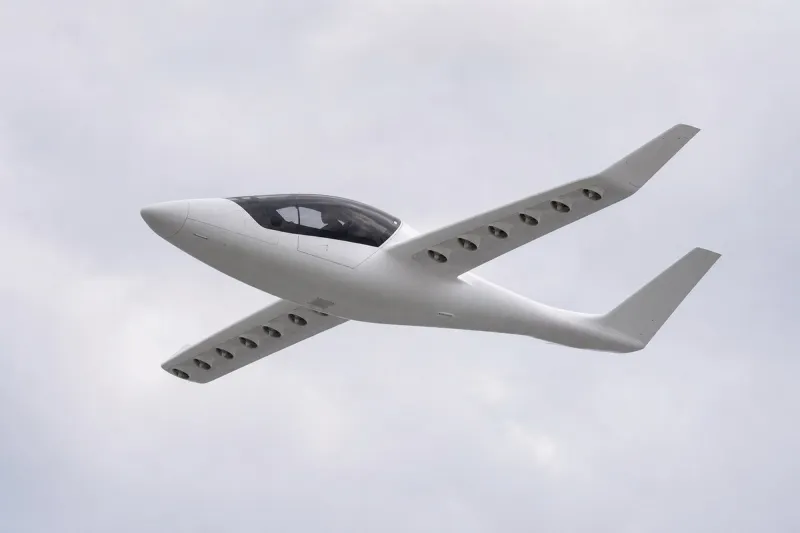
Australian sustainable aviation venture FlyOnE Sustainable Aviation has accumulated more than 1,350 electric-powered commercial flight hours, operating from two active sites: Jandakot Airport, southeast of Perth, and Rottnest Island in Western Australia. Founded by Ellis, who goes by Korum E on social media, the operation began with a relationship with Pipistrel Aircraft of Slovenia before that company's acquisition by Textron Aviation.
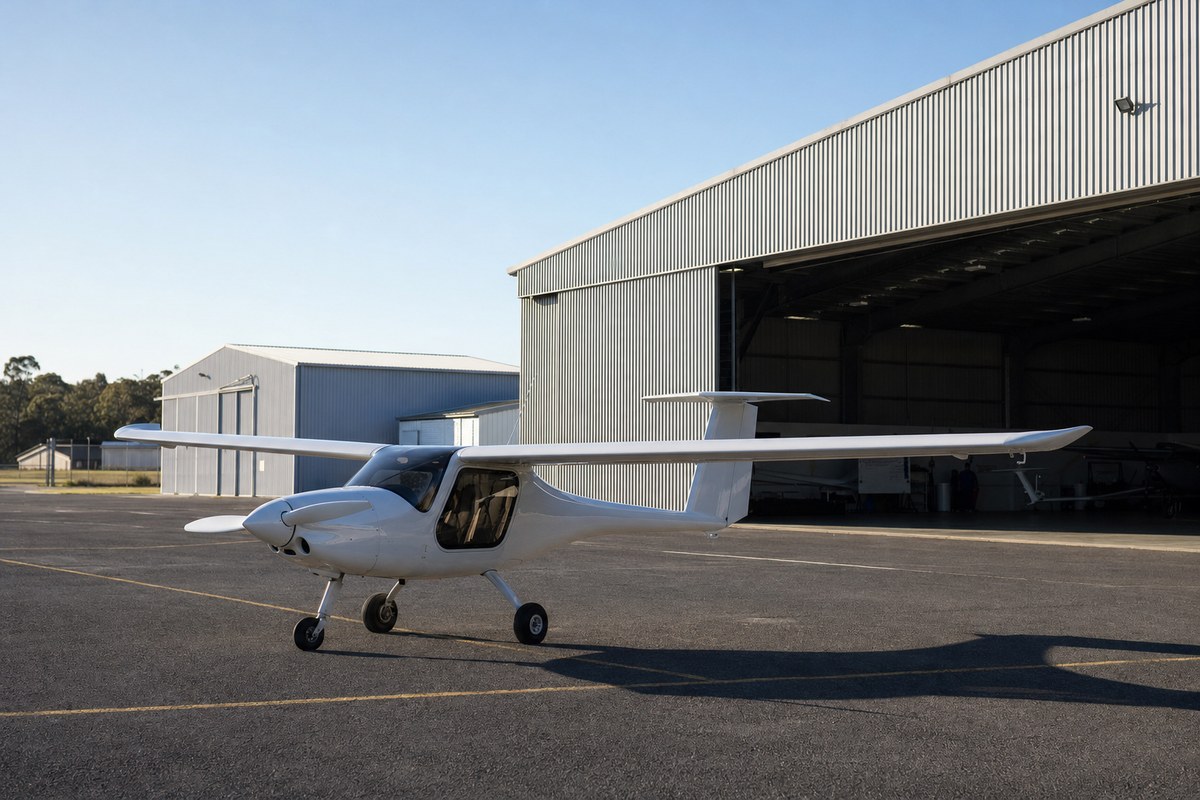
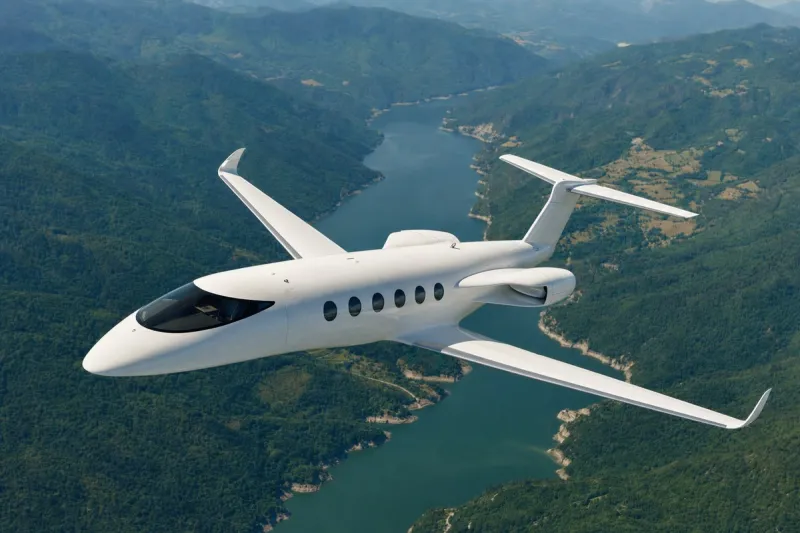
The Skycademy program is membership-based and centres on the Pipistrel Alpha Electro electric aircraft, supplemented by a Rotax 912-powered Bristell light sport aircraft for local flights and a Cessna 172 for private pilot licence training, with commercial training conducted in Piper Cherokee Sixes. FlyOnE previously operated five sites across two Australian states during a proof-of-concept phase, including locations around Perth, Mandurah/Murray Field, and Victoria, with partner schools such as Cloud Dancer Pilot Training, the Royal Aero Club of WA, and Lilydale Flight Training.
The company currently has three Pipistrel aircraft in Australia and five charging stations in service, with stated goals of importing up to 70 electric aircraft and establishing 30 charge nodes at key Australian airports by 2030. Ellis also plans to introduce the Pipistrel Pantera hybrid and Bye Aerospace's eFlyer 2 to the Skycademy program once the latter achieves certification, and FlyOnE has developed a proprietary app to manage fleet flight hours and student progress. The dual training-and-air-charter model is designed to maximise aircraft utilisation, scheduling training flights during the midday gap when charter aircraft would otherwise sit idle.