India jet fuel demand forecast to hit 277,000 bpd by 2031, SAF to reach 250,000 tonnes by 2030
Why It MattersThe projections reinforce India's push to build a domestic SAF industry aligned with mandatory blending targets, positioning aviation as a key driver of refined-product demand growth through 2060.
A joint report by S&P Global Energy and the SAF Association, released at the second India SAF Conclave, projects that India's jet fuel demand will reach 277,000 barrels per day by 2031, with domestic sustainable aviation fuel demand estimated at 46,000 tonnes in 2027 and rising to 250,000 tonnes by 2030. The report said aviation would remain one of India's fastest-growing sources of refined petroleum product demand through 2060, underpinning development of a domestic SAF industry, and the projections align with the government's SAF blending roadmap setting mandatory targets of 1 percent in 2027, 2 percent in 2028, and 5 percent by 2030.
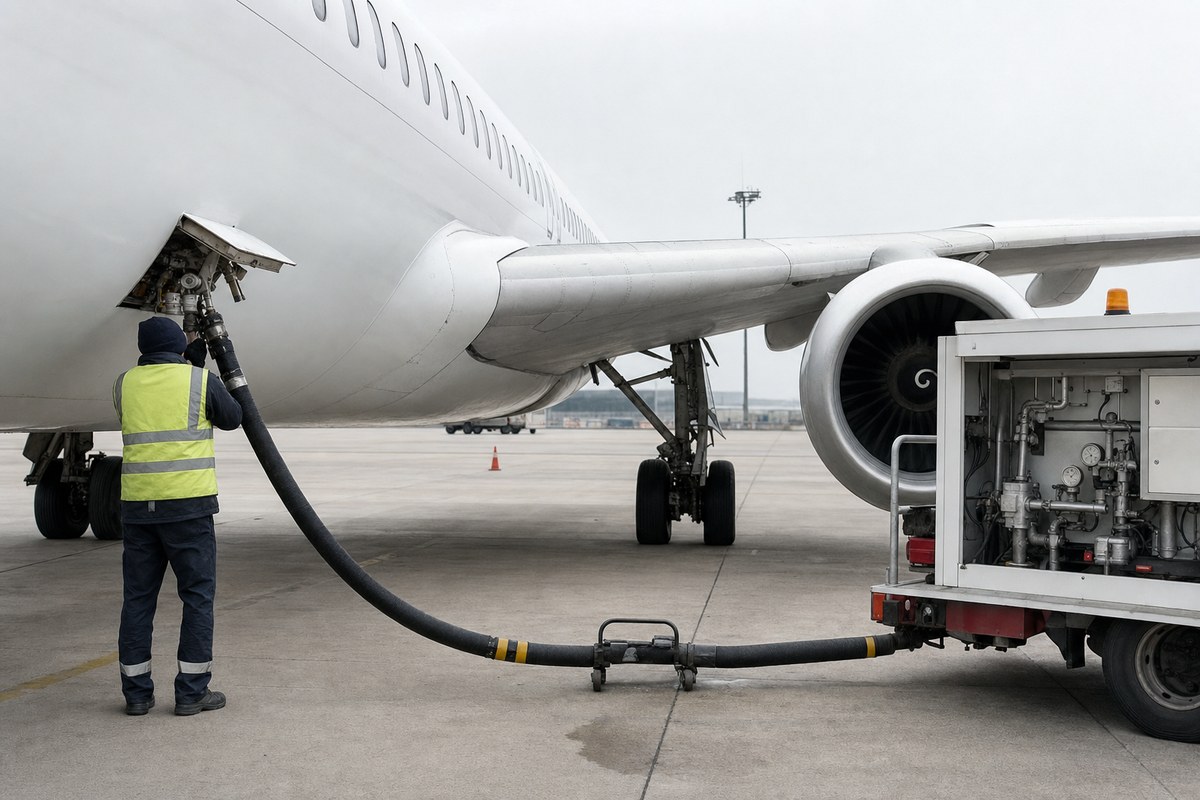
Despite a temporary softening in mid-2026, when July demand fell to approximately 180,000 barrels per day amid weaker flight activity, higher operating costs, and supply disruptions, jet fuel consumption in the first half of 2026 still rose nearly 2 percent year-on-year; the report characterised the mid-year slowdown as temporary rather than structural. Key demand drivers identified include rising middle-class mobility, expanding domestic and international air travel, airport development, and airline fleet additions, with new infrastructure projects such as Navi Mumbai International Airport and Jewar Airport in Noida expected to ease capacity constraints and accommodate additional flights.
International seat capacity expanded faster than domestic capacity in 2026 despite higher ticket prices, and the government's UDAN regional connectivity scheme was cited as a structural driver of aviation growth. On fuel costs, the report highlighted an aviation turbine fuel pricing stabilisation mechanism, including a fixed ATF price in Delhi and a dedicated stabilisation fund, noting that while it does not constitute a direct subsidy, it could reduce fuel-price volatility and improve airlines' visibility over operating costs.