Rising Jet Fuel Costs, Hedging Gaps, SAF Limits, and War-Risk Premiums Shape Aviation Industry in Mid-2026
Why It MattersDivergent hedging positions are splitting airline profitability outcomes across regions while SAF's high cost keeps it structurally unable to offset conventional fuel volatility.
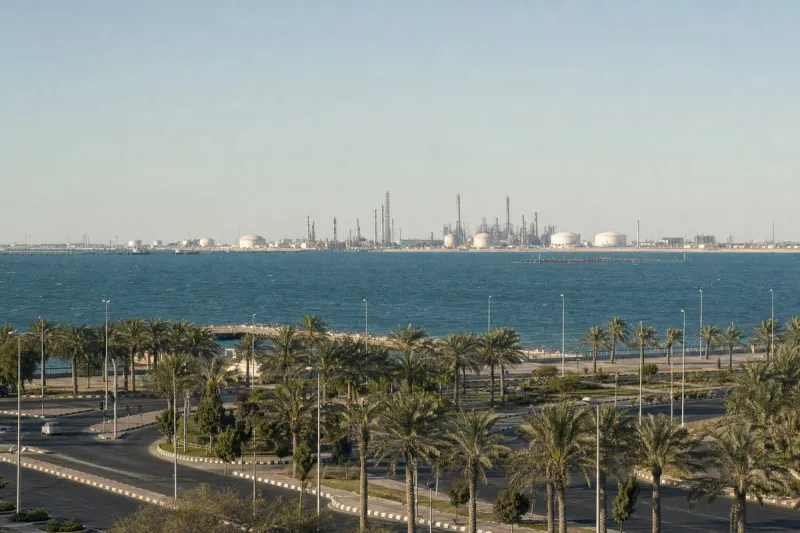
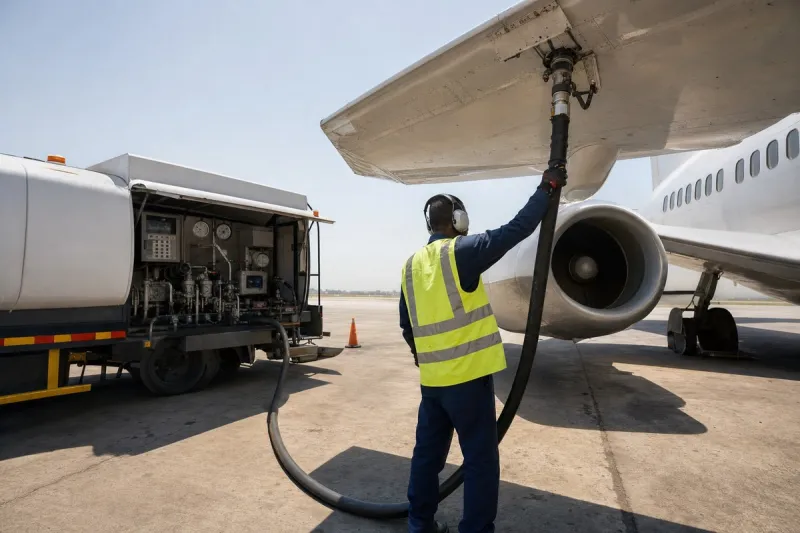
As of summer 2026, the global aviation industry is contending with sharply higher jet fuel prices, strained insurance markets, and continued limited Sustainable Aviation Fuel availability, according to an analysis published on 22 September 2026. Jet fuel, which had held between $80 and $95 per barrel for much of the prior 18 months, surged to over $180 per barrel by April 2026 following instability in the Strait of Hormuz. On 16 April 2026, the International Energy Agency warned Europe had "maybe six weeks of jet fuel left," while IATA cautioned that shortage-related flight cancellations in Europe could occur by end of May. IEA member states then coordinated the release of over 400 million barrels of oil, the largest such release in the organisation's history. IATA said in June 2026 that fuel shocks may halve the global aviation industry's profitability compared with 2025, noting fuel typically represents 20-40% of airline operating costs.
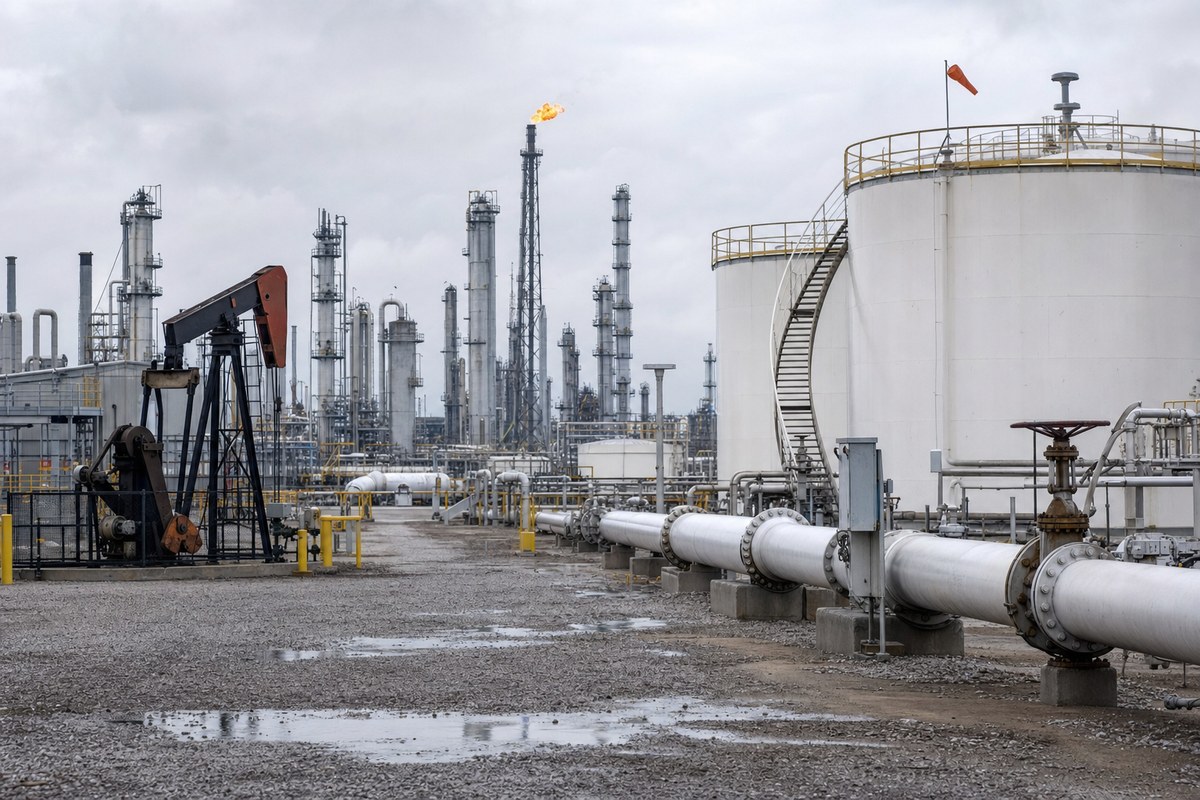
European airlines had hedged approximately 70% of their 2026 fuel needs before the spring disruptions, cushioning consumer prices, while North American carriers, particularly US-based airlines, largely held no hedging contracts. US consumers faced an average ticket price increase of 25%, and multiple legacy carriers suspended routes citing rising fuel costs; rising fuel costs were also reported to have contributed to pressures on Spirit Airlines prior to its entry into bankruptcy protection.
SAF accounted for 0.6% of global jet fuel consumption in 2025 according to IATA, a figure expected to rise to 0.8% in 2026. SAF currently averages approximately $2,750 per metric ton, or around $375 per barrel, well above the roughly $150 per barrel available on the conventional jet fuel market, and analysts note production and supply capacity remain low, making SAF an unviable short-term replacement.
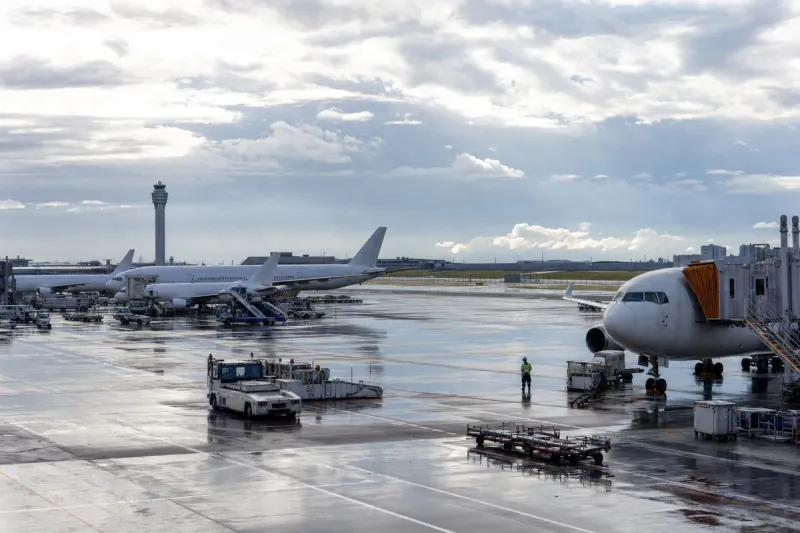
War-risk premiums for airlines operating in or through the Middle East have risen by between 50% and 500%. Dubai International Airport has seen a year-on-year decline of more than 30% in passenger traffic, dropping outside the top five busiest international airports globally after more than a decade in that tier. Aircraft lessors face comparatively limited immediate exposure but may see increased requests for rent relief, payment deferrals, or covenant waivers; analysts note widespread aircraft retirements have not materialised as they did during COVID-19, given continued demand and manufacturer supply constraints, and some lessors may see opportunities in sale-and-leaseback transactions.