Intercity bus travel in Russia surges 24% in summer 2026 amid airport closures and rail cuts
Why It MattersRecurring airport disruption and rail capacity limits are pushing regional travel demand toward road transport, reshaping intercity mobility patterns across affected Russian regions.
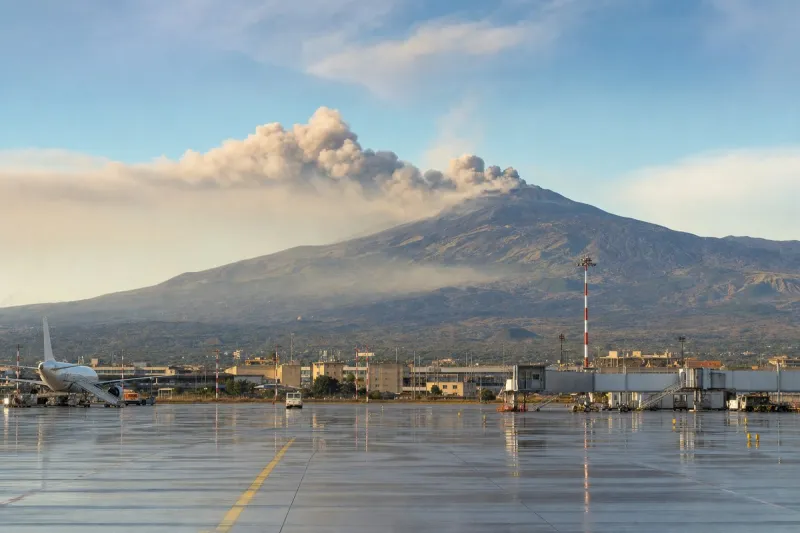
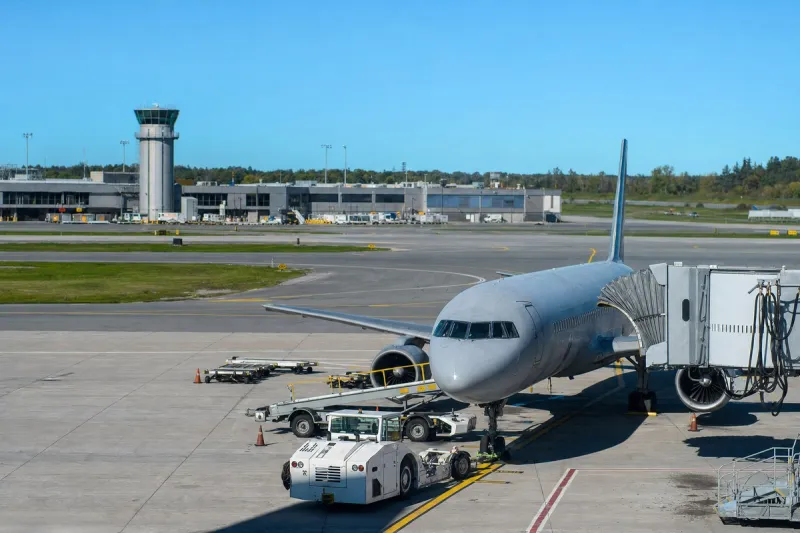
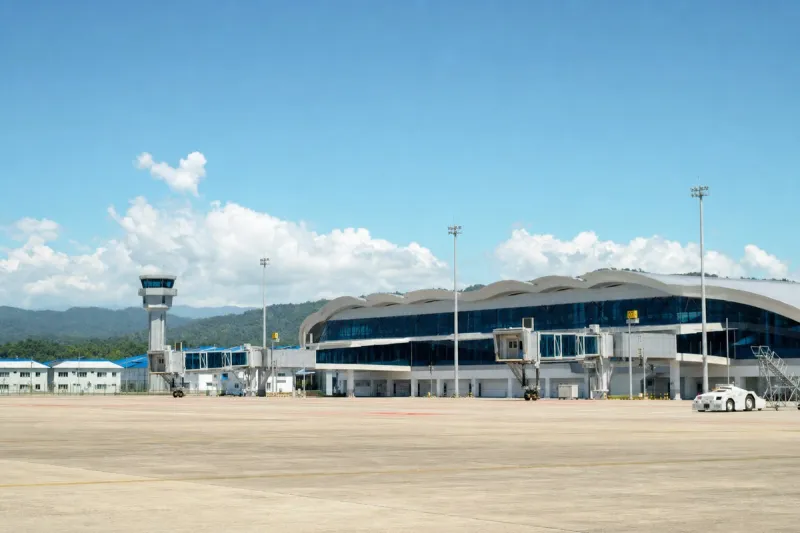
Intercity bus travel in Russia rose sharply during the three summer months of 2026, driven by recurring airport closures caused by drone attacks and fuel shortages affecting private vehicles. Ticketing platforms Tutu and RZD — Digital Passenger Solutions estimated that the number of intercity bus trips increased by 24.4% year-on-year compared with the same period in 2025, though analysts did not disclose absolute passenger figures. The share of bus travel in overall summer transport demand grew by 4.8 percentage points, reflecting declines in the shares of both air and rail travel. The Check Index service from Platforma OFD recorded a separate 20% year-on-year increase in bus demand, while OneTwoTrip reported an 11% rise in bus bookings among corporate clients over the past year.
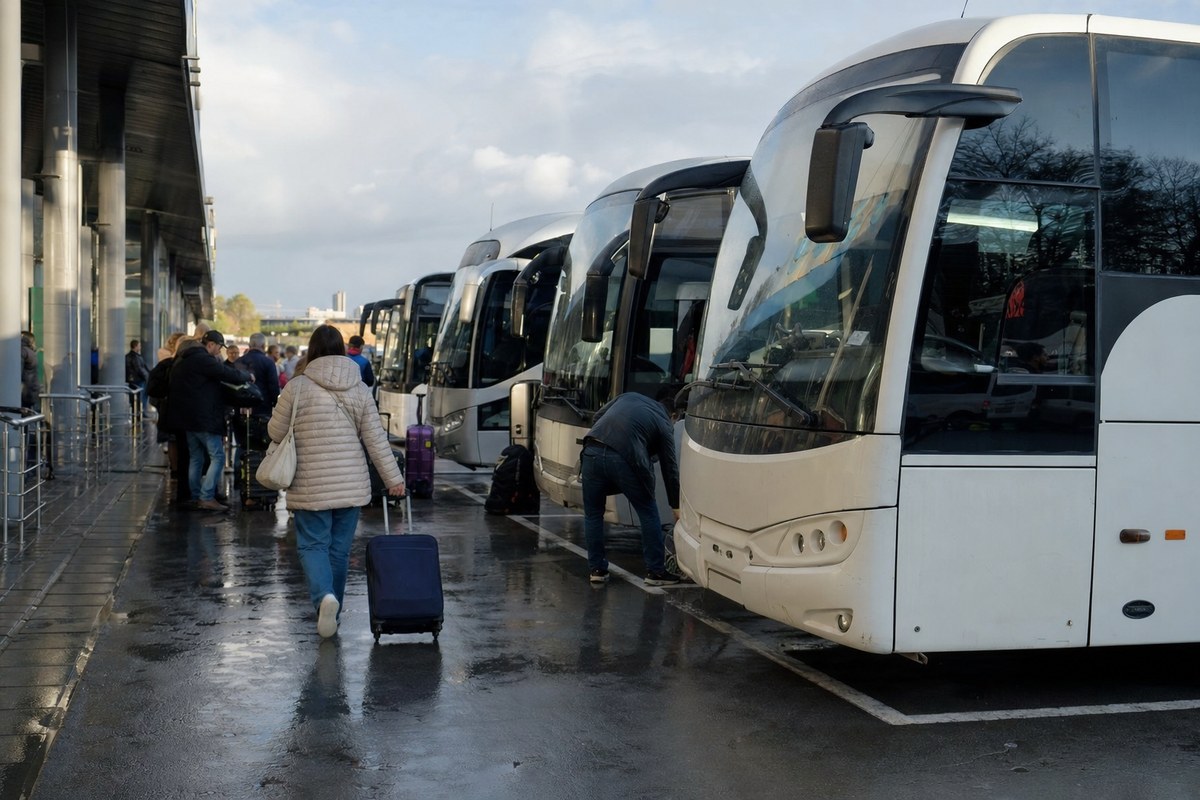
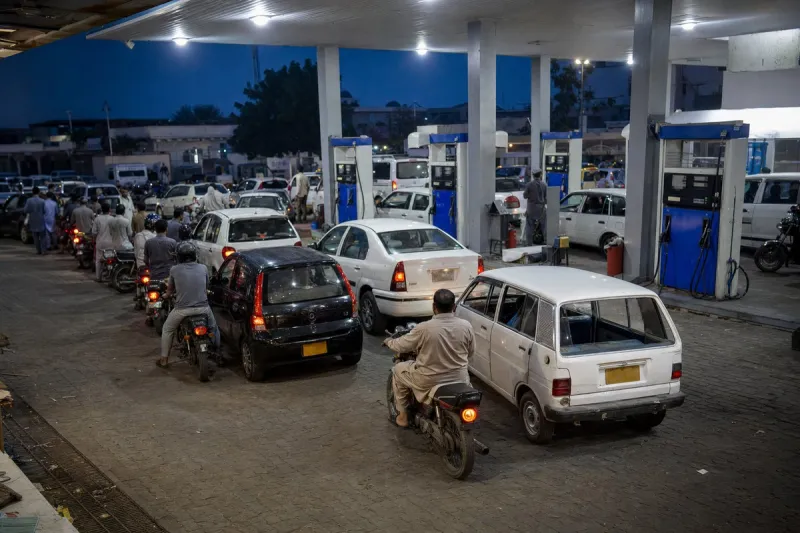
Demand growth was observed not only in southern Russian regions, where airports were frequently closed, train services reduced, and gasoline shortages occurred due to drone attacks, but also in St. Petersburg and the Leningrad Region, Karelia, Tatarstan, Moscow, and the Moscow Region. Alexander Bragin, head of the Association of Travel Aggregators, attributed the surge to airport service restrictions and a scarcity of available seats on trains.
Russia's Traffic Police recorded 4,900 road accidents involving buses between January and August 2026, an increase of 8.3% compared to the same period in 2025, a figure analysts said may reflect the higher volume of bus journeys. Tutu also noted a shift toward shorter bus routes: demand for trips of up to eight hours grew by 31–32% year-on-year, while demand for journeys exceeding 16 hours rose by 16%.