IFALPA Declares Pilots Must Have Final, Non-Negotiable Authority to Refuse War-Zone Routes
Why It MattersThe paper exposes how conflict-zone risk decisions still rest on a gap between pilots' legal refusal rights and the commercial pressures and vague NOTAMs that can quietly override them.
What happened
The International Federation of Air Line Pilots' Associations (IFALPA), representing more than 100,000 pilots worldwide, has published a position paper declaring that a captain's decision to refuse a route through a conflict zone must be "final and non-negotiable." The paper calls for pilots' authority to avoid conflict zones to be "respected unconditionally," stating it must not be compromised by financial or other incentives, career repercussions, commercial pressures from airlines, or any other penalties. IFALPA demands no exceptions, rejecting carve-outs for "acceptable risk levels" and deference to airline route planners or government advisories.

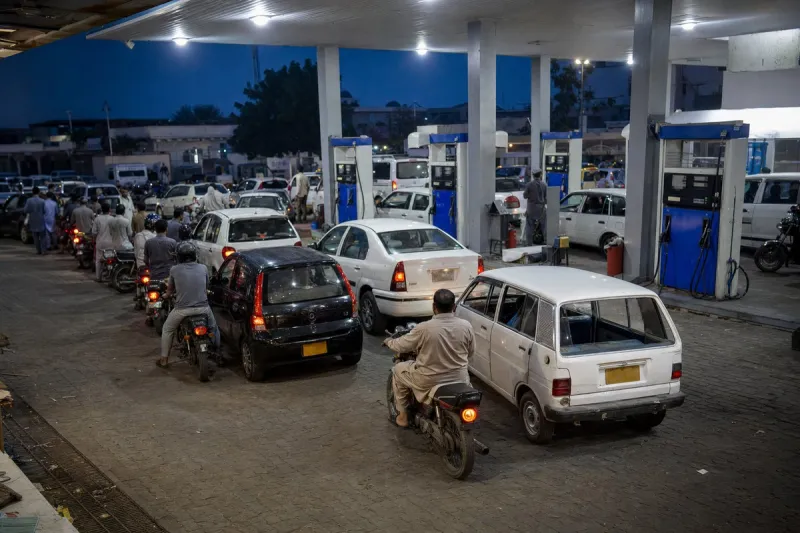
The position paper was published six weeks into the 2026 Iran conflict, during which drone strikes, missiles, and active air-defence systems have threatened civilian flight paths over the Middle East. Kuwait International Airport has been closed for over five weeks following drone strikes on critical infrastructure. Airlines rerouting around the conflict zone have faced significantly higher fuel costs and longer flight times, with some carriers diverting as far south as East Africa. IFALPA also cites structural weaknesses in the current conflict-zone warning system, describing government Notices to Air Missions (NOTAMs) as frequently vague, delayed, or narrowly focused on altitude bands rather than the full threat picture.
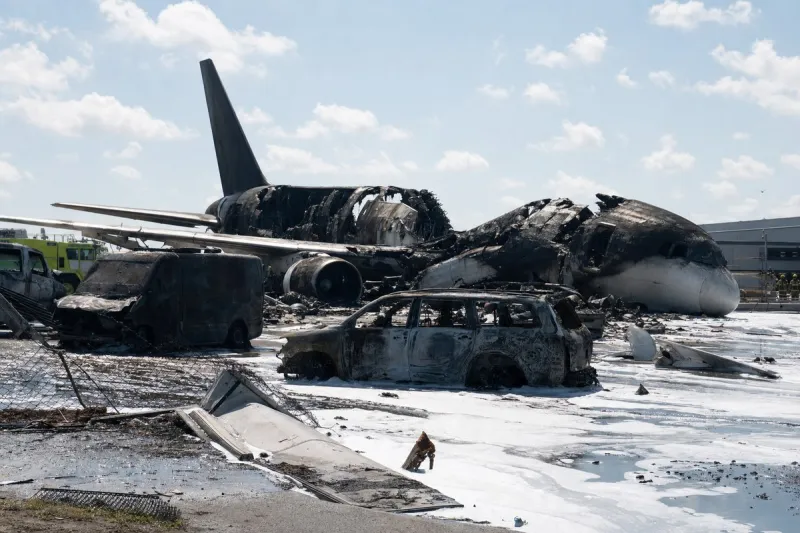
The federation draws a direct line to the 2014 crash of Malaysia Airlines Flight MH17, shot down over eastern Ukraine on 17 July 2014, killing all 298 people on board. MH17 was operating a route used by multiple airlines to save fuel and time, and the airspace at its cruise altitude had not been formally closed to civilian traffic despite active ground combat. IFALPA states that twelve years later the same structural weaknesses persist. On crew welfare, the paper recommends that where rerouting conditions are "recurrent and foreseeable," airlines incorporate them into scheduling assumptions, fatigue controls, and roster buffers, including augmented crew rostering for affected routes.
Industry impact & what to watch
IFALPA's paper restates a right that already exists under international aviation rules — pilots can legally refuse an unsafe flight — while arguing that the practical exercise of that right is routinely diluted by commercial reality. Pilots who refuse routes risk being sidelined, passed over for promotions, or labelled as difficult, which is precisely the informal pressure the position paper wants stripped out of the decision entirely.
The conflict-zone warning system this depends on runs on NOTAMs that the federation describes as narrow and often altitude-specific, leaving crews to weigh a threat picture that government notices do not fully capture. That gap between formal legal authority and the information and incentives surrounding its use is the same gap IFALPA says produced MH17 in 2014, and it argues the gap has not closed in the twelve years since.
What happens next depends on whether airlines and regulators respond to the 2026 Iran conflict's disruptions — the extended closure of Kuwait International Airport, the higher fuel burn from rerouting as far as East Africa — by building rerouting into scheduling, fatigue rules and crew rostering as IFALPA recommends, or by treating it as a temporary cost to be absorbed until the conflict ends.