FAA Caps Flights at Major U.S. Hubs and Extends Slot Controls to Reduce Chronic Delays
Why It MattersSlot-style caps show that capacity-constrained hub systems trade peak-day frequency for network reliability, with enforcement and scheduling software becoming the levers regulators use to manage that tradeoff.
What happened
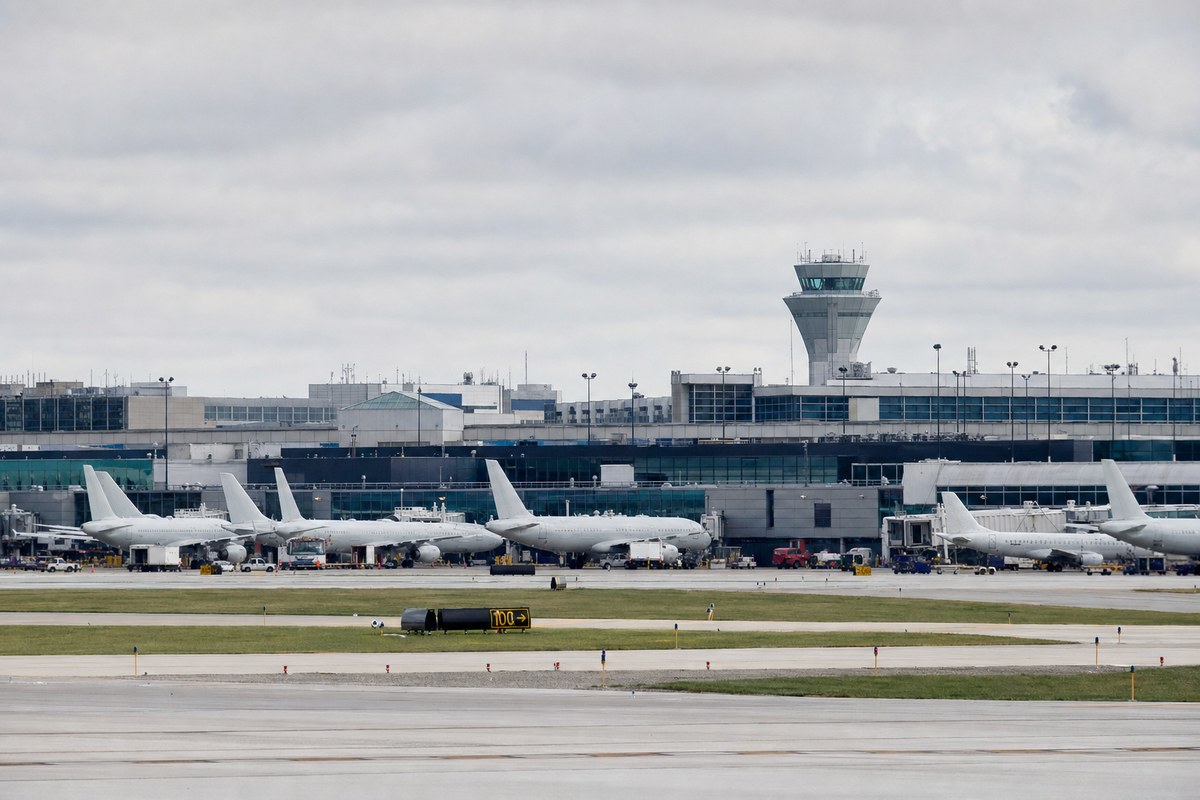
The Federal Aviation Administration is pushing airlines toward fewer, more realistic schedules at the most congested U.S. airports, expanding slot-style controls and formal caps to address chronic domestic flight delays. At Chicago O'Hare International Airport, the FAA imposed a summer 2026 scheduling cap limiting peak-day operations to 2,708 daily movements, down from more than 3,080 flights that had been planned on the busiest days.
In the New York area, congestion-relief measures have been extended or maintained at John F. Kennedy International, LaGuardia, and Newark Liberty. At Newark, published Federal Register materials describe operating limitations extended through October 24, 2026, citing ongoing staffing and equipment challenges, with enforcement language covering potential civil penalties for operations above the set limits. The FAA has also continued issuing slot-usage waivers in the New York region through the summer 2026 season, letting airlines reduce schedules without forfeiting future operating rights.
At O'Hare, the FAA used International Air Transport Association Level 2 schedule-facilitation concepts, basing airline capacity allocations on approved summer 2025 schedules rather than permitting uncapped schedule growth. Separately, the FAA has briefed major airline leaders on plans to deploy advanced scheduling software intended to align planned airline demand with actual airspace and airport capacity on an hour-by-hour basis. Officials say improved schedule deconfliction could reduce the cascading delays that spread across multiple airports during peak periods. The regulatory push coincides with airlines independently scaling back schedules after rising fuel prices pressured profit outlooks.
Industry impact & what to watch
This is the pattern capacity-constrained hub systems fall into once delays become chronic: rather than adding infrastructure, the regulator trims scheduled volume to match what the airspace and airfield can actually process, then backstops the cut with enforcement so airlines cannot quietly rebuild it. O'Hare's move from more than 3,080 planned peak-day flights to a 2,708 cap, paired with Newark's extended limits and civil-penalty language, illustrates how slot control functions less as a punishment and more as a demand-management tool once a hub's schedule has outrun its throughput.
The mechanics matter here: anchoring O'Hare allocations to approved summer 2025 schedules, and issuing waivers that let carriers cut without losing future operating rights, both aim to prevent the caps themselves from triggering a scramble to protect slots through padded or unused flying. That is how these systems avoid the caps becoming self-defeating.
What happens next depends on two things the FAA has flagged but not resolved: whether the hour-by-hour scheduling software actually reduces cascading delays once deployed, and whether Level 2 facilitation and stronger enforcement spread to airports beyond O'Hare and the New York-area trio. The FAA has said it wants to avoid disproportionate hits to connectivity, but has also acknowledged that trading peak frequency for reliability is unavoidable in a constrained system — so the airports added to or left off that list next will be the clearest signal of where this goes.