San Diego County Supervisors Consider Proposal to Reopen Agua Caliente Airport After 2025 Closure
Why It MattersSmall state-owned general aviation airports depend on county operating agreements and dedicated enterprise funds, so reversing a closure requires reassembling both financing and regulatory approval from scratch.
What happened
San Diego County supervisors considered a proposal Wednesday to restore Agua Caliente Airport to service, following the county's decision to cease operations at the single-runway facility in 2025. The proposal, introduced by Supervisors Joel Anderson and Jim Desmond, directs county airport staff to consult aviation stakeholders, assess required work and explore funding and operating options. The county's official meeting record lists the item as having been considered, though a final action and vote had not been posted as of Thursday morning.
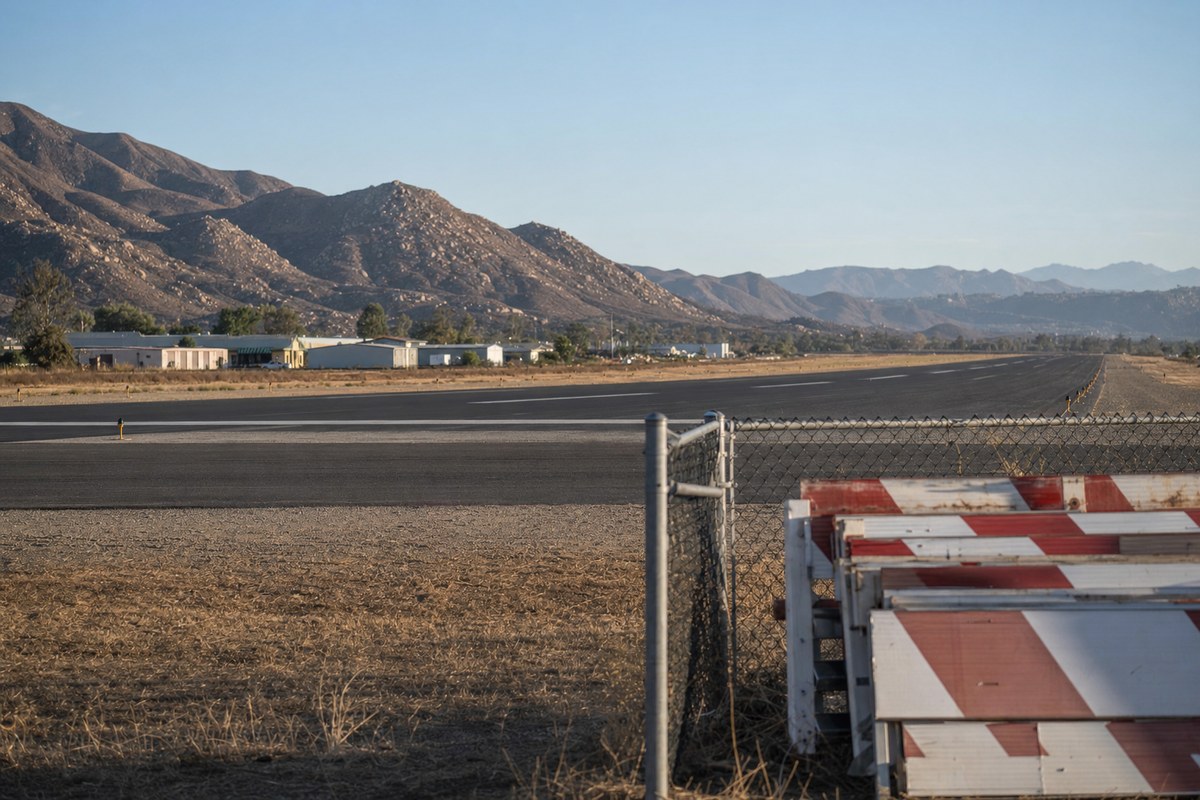
The state-owned airport sits approximately 77 miles east of downtown San Diego and has been operated by the county under a long-standing agreement with California. The state revoked the airport's operating permit in April 2025 after the county sought closure, citing maintenance costs and insufficient state funding. County officials estimate that correcting existing deficiencies would cost approximately $2 million to $3 million, before accounting for permitting, environmental review and ongoing maintenance expenses.
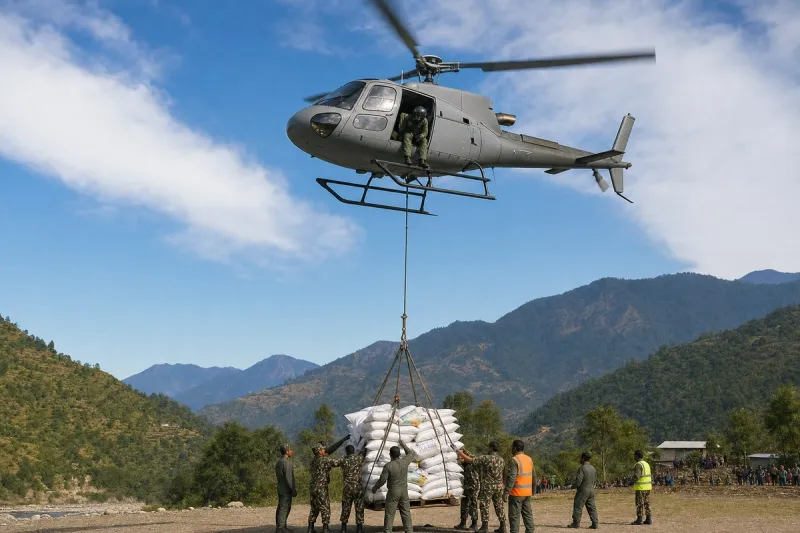
County records show Agua Caliente Airport recorded more than 28,000 takeoffs and landings between 2017 and 2023, generally averaging between 3,300 and 4,400 operations annually. County documents identify the airport as an emergency landing site used in support of wildfire response, medical evacuation, military activities and specialized flight training, in addition to recreational flying.
The reopening proposal calls for consultation with organizations including AOPA, the Recreational Aviation Foundation, local pilot groups, airport advisory committees and FBOs. The council unanimously supported reopening the airport and recommended using Agua Caliente County Park surplus funds and the Airport Enterprise Fund as needed to support repairs and continued operation. Staff would identify the work and regulatory steps required to restore the airport, examine potential ownership or operating arrangements with the state, and investigate alternatives to relying on the Airport Enterprise Fund, with a report due back to supervisors within 60 days.
Industry impact & what to watch
This case shows how a small general aviation field's fate turns on the arithmetic between a modest repair bill and the recurring cost of keeping a state operating permit active. A $2 million to $3 million deficiency estimate is a starting figure, not a total, since permitting, environmental review and ongoing maintenance sit outside it, and those costs are what pushed the county to seek closure in the first place.
County-run rural airstrips like this one typically survive on a mix of dedicated enterprise funds and park or general-purpose surplus, and the proposal's reliance on both signals there is no single steady revenue source large enough to carry the airport alone. Their value case rests less on regular traffic volume, which here averaged a few thousand operations a year, and more on their standby role for wildfire response, medical evacuation and training flights.
The next marker is the 60-day staff report, which should spell out the actual scope of repairs, the regulatory path back to an operating permit, and whether the state is willing to shift the ownership or operating arrangement rather than simply reinstate the prior one.