Australian aviation sector challenges CASA's proposed annual VH aircraft registration levy
Why It MattersThe split responses show how a single cost-recovery mechanism can hit fragmented aviation segments unevenly, forcing regulators to weigh administrative simplicity against sector-specific fee structures.
What happened
The Royal Federation of Aero Clubs of Australia (RFACA) has called on the Australian Government and the Civil Aviation Safety Authority (CASA) to reconsider the need for a new annual VH aircraft registration levy. The call follows CASA's own consultation, which received 718 submissions, with 20% lodged on behalf of organisations. CASA's consultation summary acknowledged that feedback was dominated by concerns about the introduction of an annual charge, with many respondents questioning the need for annual registration and warning of future fee escalation, though CASA concluded no recurring theme had emerged that would make the scheme unworkable.
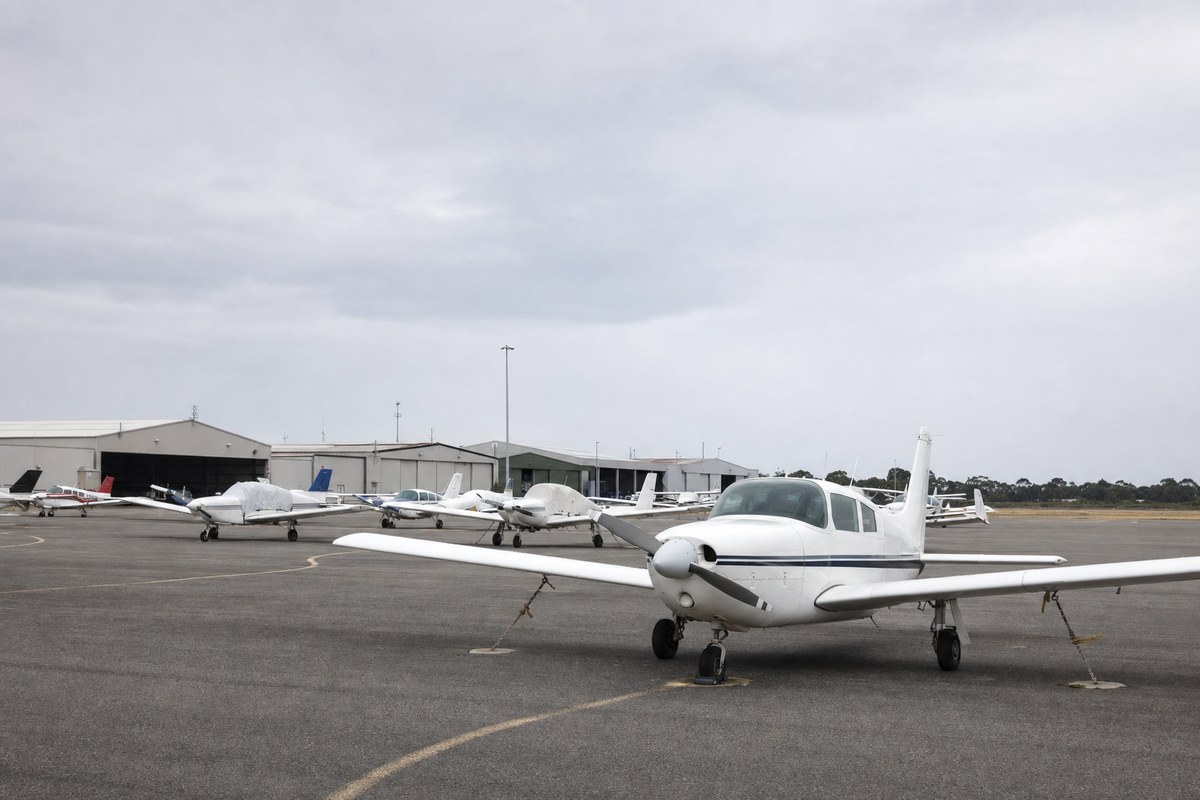
RFACA President Lachlan Hyde said significant questions about the case for the levy remained unresolved. "There is an important distinction between supporting an accurate, modern aircraft register and accepting that every VH aircraft needs another recurring annual regulatory charge attached to it," he said. He argued that better data could potentially be achieved through modern digital systems, targeted validation and existing regulatory obligations without creating another perpetual cost for industry, and warned that the cumulative effect of repeated modest charges placed a growing burden on aviation operators already facing rising fuel, maintenance, insurance, airport, security and regulatory costs.
Annual VH registration is due to begin from July 2027, with the levy proposed to commence from 1 July 2028. CASA estimates the scheme will cost approximately $1.08 million annually to administer. Illustrative fee options range from around $72 per aircraft under a flat-rate model, to $50–$250 under a weight-based model, and $40–$500 under a weight-and-category model. More than three-quarters of Australia's 15,051 active aircraft would fall below 2,000 kg under the proposed weight-based model.
RFACA opposed the flat-rate option, arguing it would place a disproportionate share of the scheme's cost on general aviation, and said a weight-based model would be a more reasonable starting point if a levy proceeds. It called for concessions or exemptions for not-for-profit aero clubs, training aircraft, heritage and restoration aircraft, and aircraft temporarily out of service.
Published submissions reveal sharply differing industry views. The Australian Mooney Pilots Association (AMPA) opposed the introduction of an annual registration charge in any form, arguing that any levy, if introduced, should be capped at CASA's lowest illustrative charging level. The Aero Club of Southern Tasmania also opposed a levy, supporting instead a modernised register achieved through digitisation rather than a recurring fee. By contrast, the Regional Aviation Association of Australia (RAAA) backed CASA's illustrative $72 flat-rate levy, arguing that the administrative burden of registering an Airbus A380 or a Cessna C172 is identical, and opposed both weight-based models. Gliding Australia warned that CASA already funds it to maintain the glider portion of the aircraft register, creating a risk of duplicate processes and possible double cost recovery, and called for aircraft under existing arrangements to be exempted. The Royal Flying Doctor Service South Eastern Section supported annual registration outright.
Industry impact & what to watch
This dispute sits inside a familiar cost-recovery tension: a regulator proposing a recurring charge to fund register accuracy, against an industry arguing the same data goal could be met through cheaper, non-recurring means. The gap between the flat-rate and weight-based proposals shows how a seemingly small per-aircraft fee can carry very different weight across a fragmented general aviation fleet, where small operators and heavy commercial types sit under the same register but face wildly different cost tolerances.
The range of positions from RAAA to AMPA to Gliding Australia illustrates how aviation cost recovery rarely lands the same way twice: an association representing larger regional operators can support a flat fee that barely registers against its cost base, while owner associations representing lighter aircraft see the same fee as a disproportionate, compounding burden layered on fuel, maintenance, insurance and security costs already rising.
Mr Hyde said the range of views demonstrated why any eventual framework needed to reflect the very different circumstances across Australian aviation. RFACA has called for the forthcoming Cost Recovery Implementation Statement and exposure draft legislation to transparently demonstrate the actual ongoing cost of administering the scheme, the basis for any levy, and why lower-cost alternatives could not achieve the same data and safety objectives. Whether CASA narrows toward a weight-based model, exempts glider and not-for-profit segments, or proceeds with a flat rate will determine which parts of the submission record actually shaped the final design.