Arkansas Levies 6.5% Sales Tax on Aircraft Purchases as Northwest Arkansas Aviation Economy Tops $500 Million
Why It MattersState-level tax treatment, including narrow exemptions and non-conformity with federal bonus depreciation, materially affects where buyers choose to close aircraft transactions and hold assets.
What happened
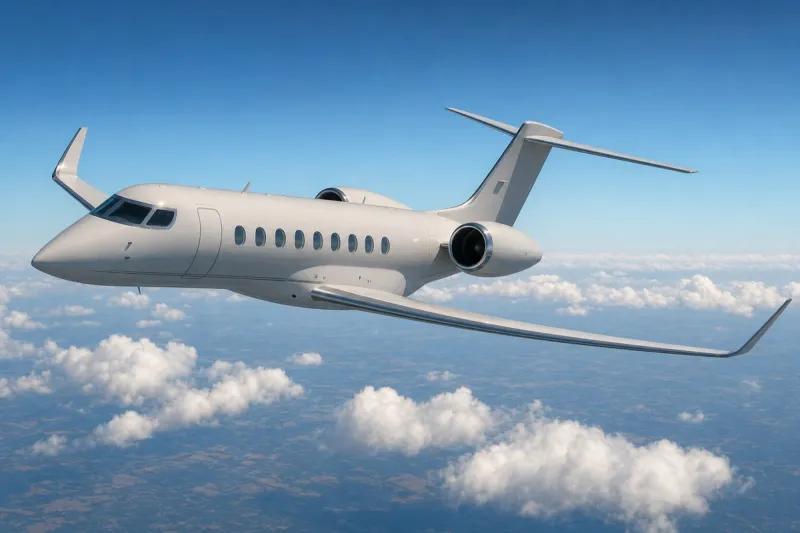
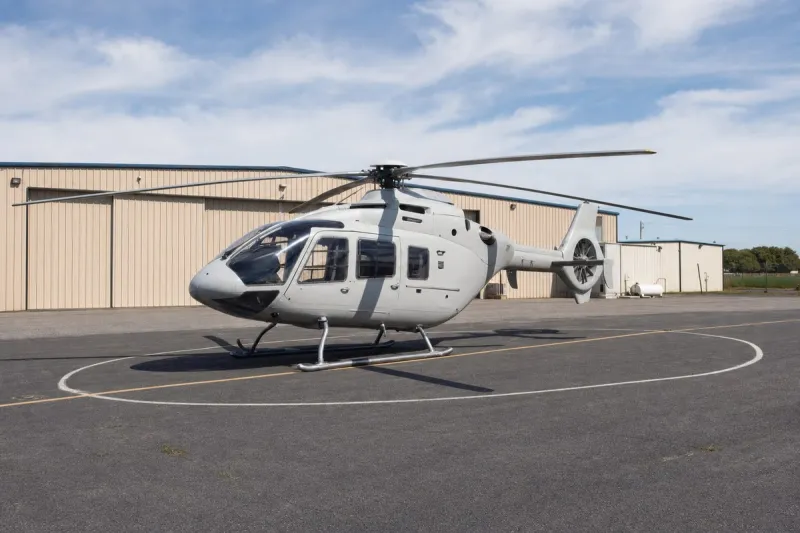
Arkansas imposes a 6.5 percent state sales and use tax on most aircraft purchases, with additional local tax applying depending on where the sale or delivery occurs. The state offers only two narrow exemptions: a sale between two nonresidents where the aircraft will be used outside Arkansas is exempt from gross receipts tax, and a new aircraft manufactured or substantially completed in Arkansas is exempt if purchased for exclusive use outside the state. Arkansas has not confirmed a general private-party or casual-sale exemption for aircraft, meaning most transactions, whether through a dealer or a private party, are subject to the standard rate.
On depreciation, Arkansas does not conform to federal bonus depreciation. Arkansas Code Annotated 26-51-428 adopts IRC Sections 167 and 168(a) through (j) as of January 1, 2019, but explicitly excludes Section 168(k) bonus depreciation, so buyers must add back the federal deduction and depreciate the aircraft on Arkansas' own schedule.
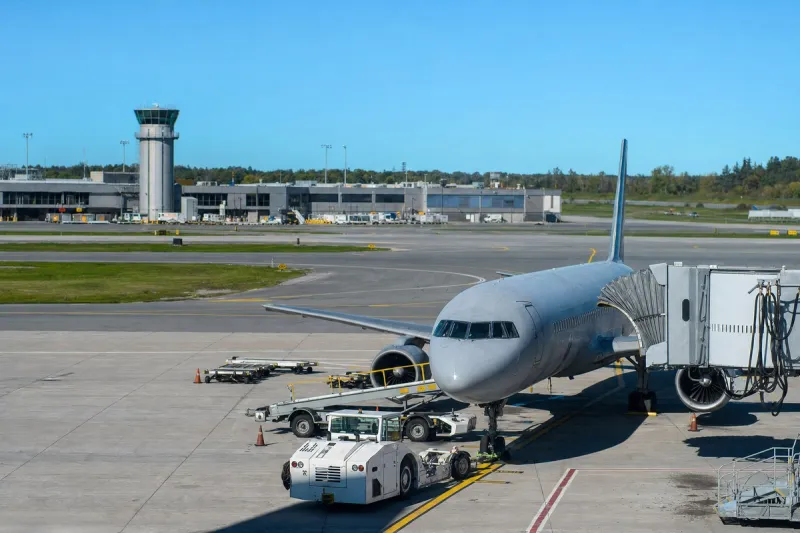
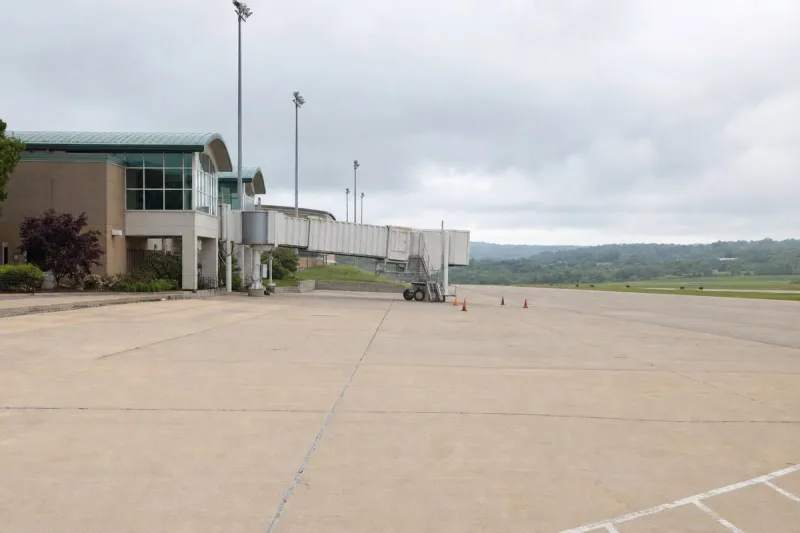
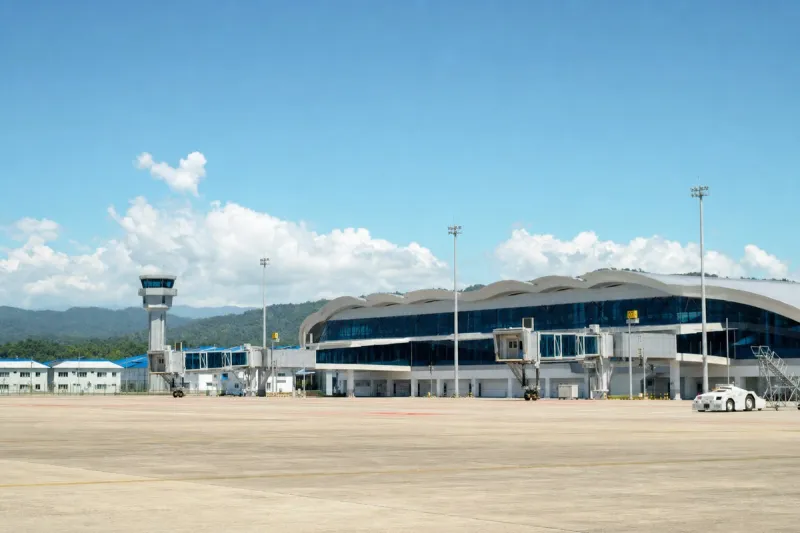
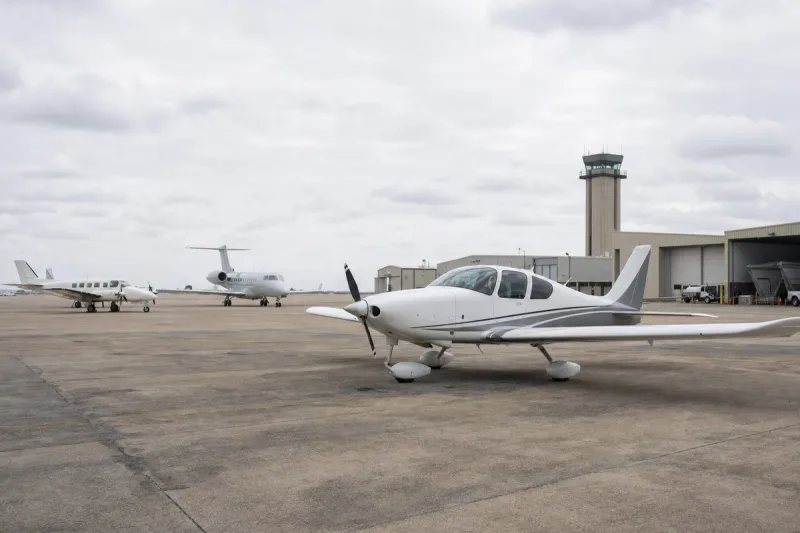
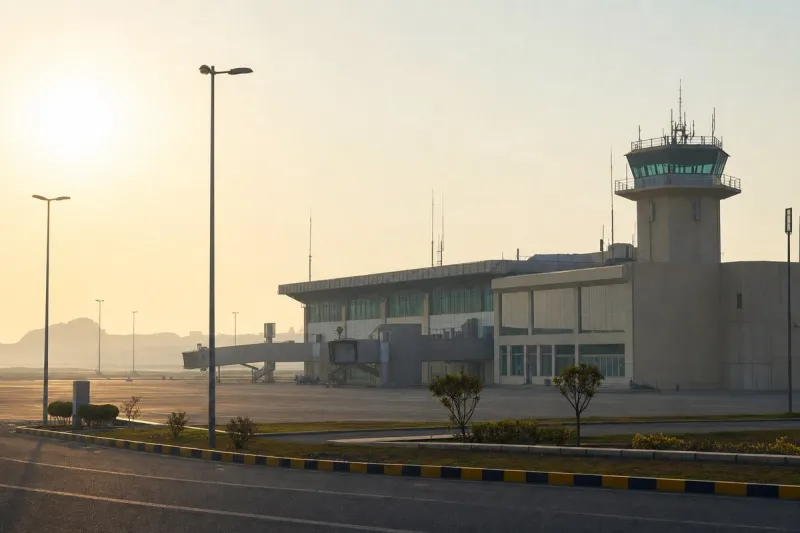
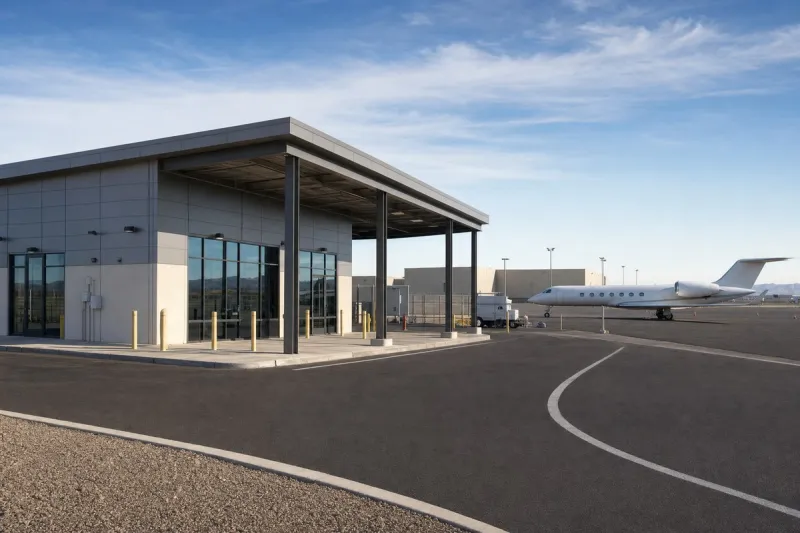
Arkansas' aviation economy is anchored in the northwest of the state. Northwest Arkansas National Airport, built in 1998 primarily to serve the corporate travel needs of Walmart, Tyson Foods, and J.B. Hunt, generates an economic impact exceeding $500 million per year and handles roughly one million boardings annually. Nearby Bentonville Municipal Airport, known as Thaden Field, hosts FBO Summit Aviation and serves business aircraft traffic located just two stoplights from Walmart's headquarters. Statewide, general aviation contributes an estimated $468 million to $500 million per year to Arkansas' economy, and the state's broader aerospace sector accounts for approximately $1.8 billion in economic activity and supports 8,276 jobs, including about 4,050 in aerospace manufacturing.
Industry impact & what to watch
This is a case of state tax and depreciation rules shaping where aircraft transactions land, separate from the underlying demand driving them. A state that taxes most sales at the standard rate while declining to adopt federal bonus depreciation raises the effective cost of ownership relative to states with casual-sale exemptions or full IRC 168(k) conformity, even when the surrounding business aviation activity is strong.
Northwest Arkansas illustrates how corporate demand and state tax policy can pull in different directions: an airport built for Walmart, Tyson Foods, and J.B. Hunt travel, plus a manufacturing exemption aimed at keeping in-state production competitive for out-of-state buyers, sit alongside a sales tax regime that offers little relief to in-state buyers or private-party deals. Structuring purchases around residency, delivery location, and end-use therefore carries more weight in Arkansas than in states with broader exemptions.
What remains to be seen is whether Arkansas revisits its non-conformity with Section 168(k) as aerospace manufacturing employment and general aviation's economic contribution continue to be cited in state economic figures. Any change to that depreciation treatment, or to the casual-sale exemption question, would directly alter the calculus for buyers weighing Arkansas against neighboring jurisdictions.