India's eVTOL Air-Taxi Race: IIT Madras Startup, InterGlobe-Archer Partnership, and DGCA Framework Take Shape
Why It MattersAdvanced air mobility in India is moving from concept to regulated development, with certification frameworks and piloted-aircraft partnerships likely to shape a cautious, corridor-based rollout rather than immediate mass adoption.
India is building out an urban air-mobility ecosystem spanning domestic startups, international manufacturers, regulators, and infrastructure operators, though no commercial air-taxi service has yet launched and key milestones remain tied to testing and regulatory approval.
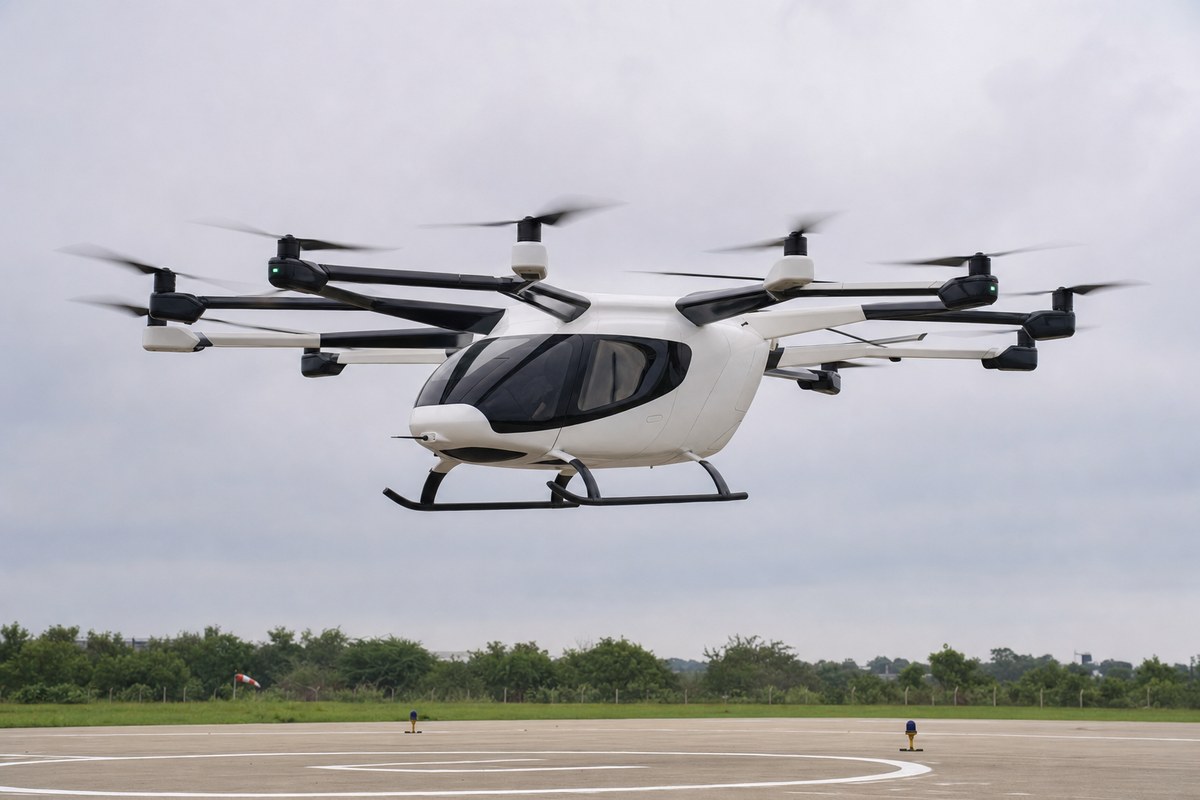
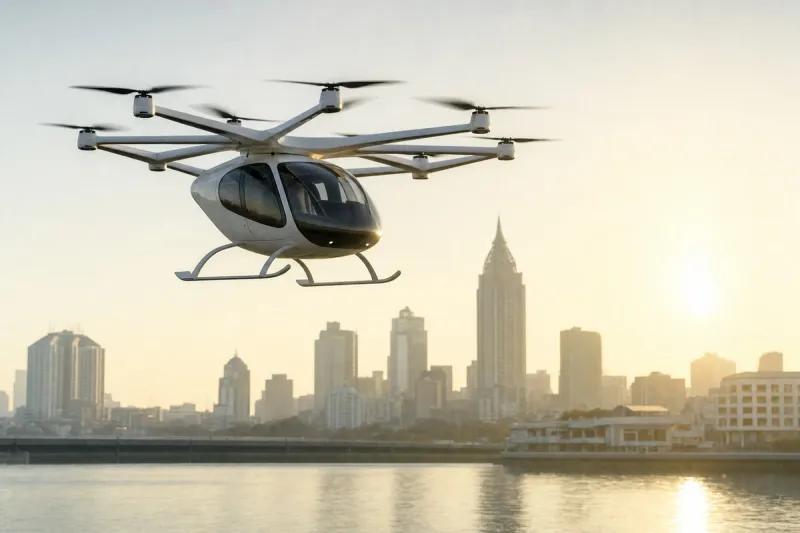
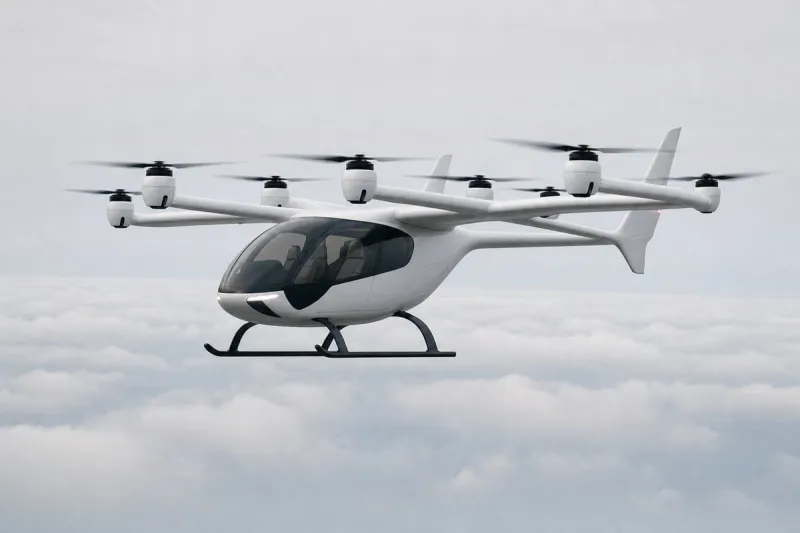
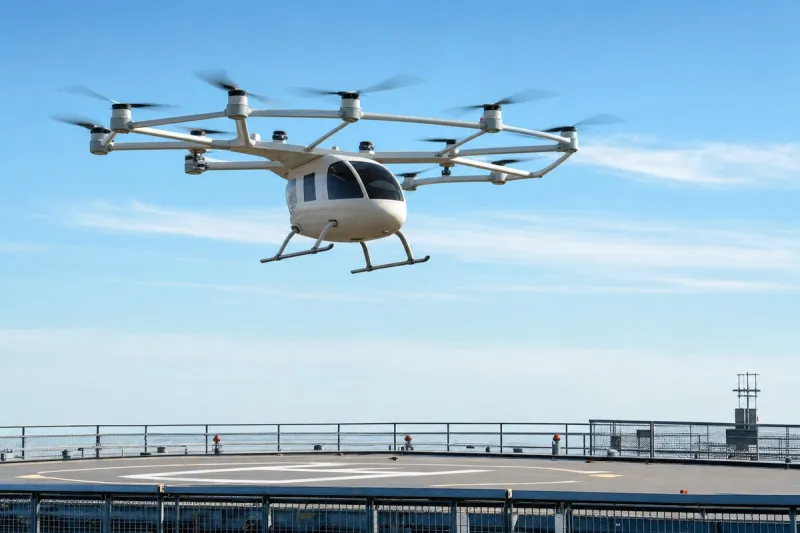
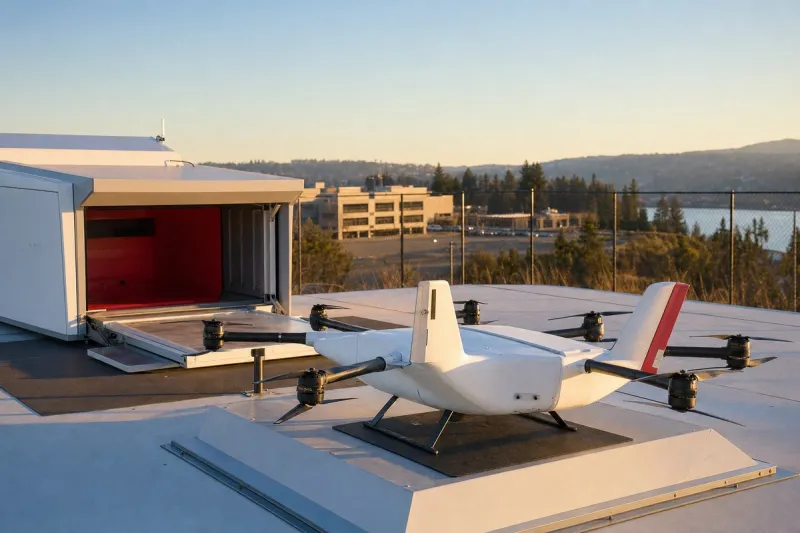
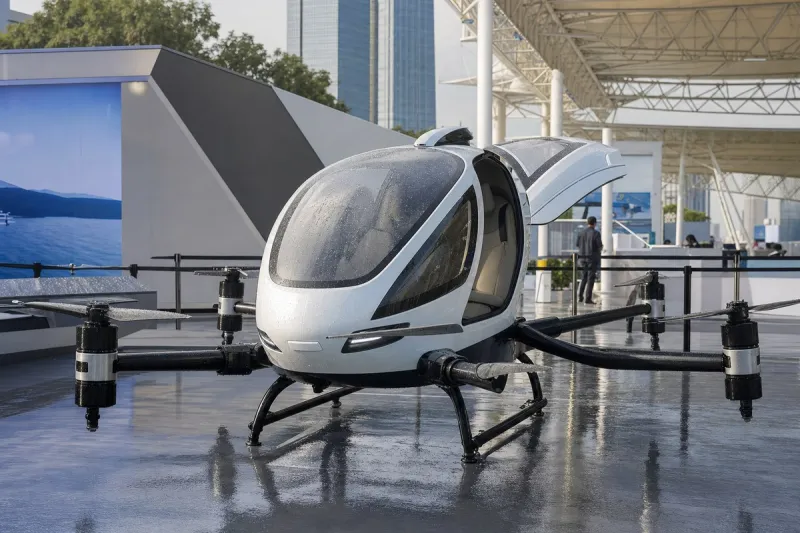
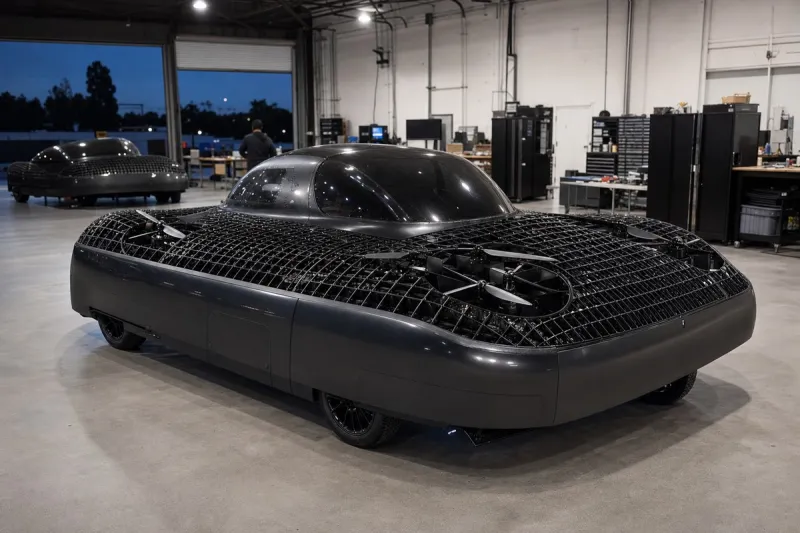
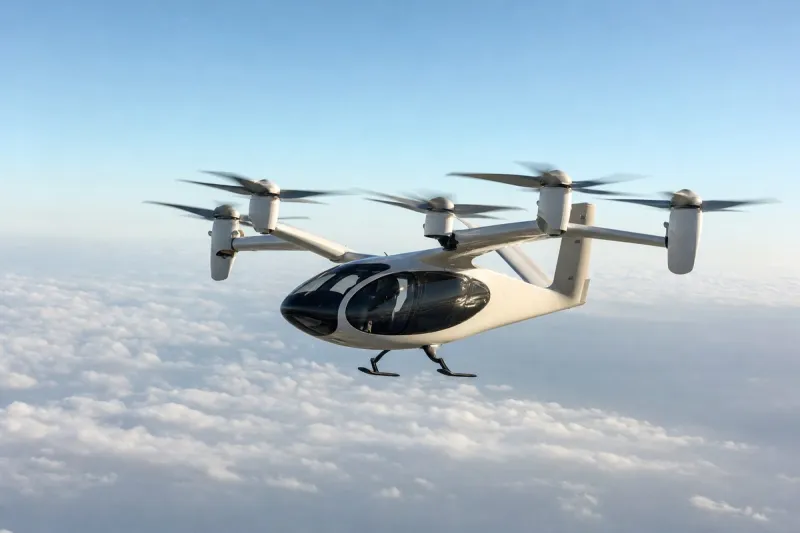
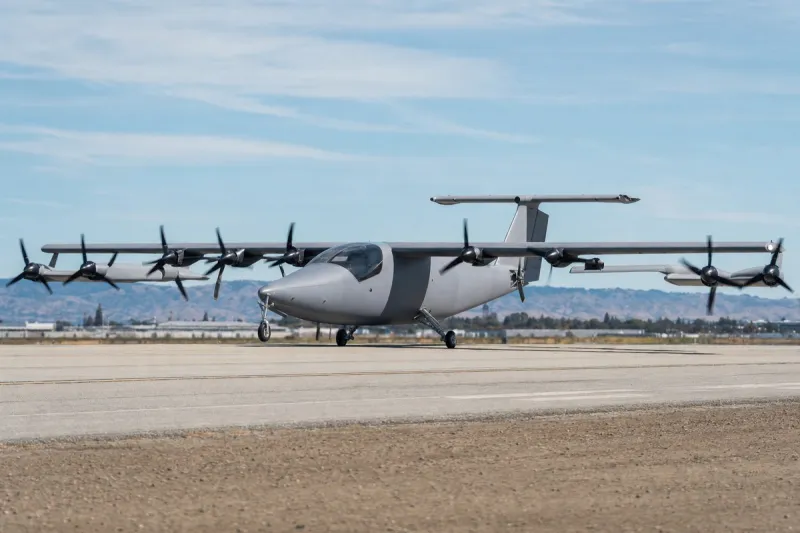
The ePlane Company, incubated at IIT Madras, is developing the e200X, an eVTOL aircraft designed for dense urban environments, with an 8-by-11-metre footprint, six vertical-lift rotors, four forward propellers, a target cruise speed of 160 kilometres per hour, and a single-charge range of 110 kilometres. Its development has progressed through subscale testing, e50 prototype flight testing, and Design Organisation Approval from India's Directorate General of Civil Aviation.
InterGlobe Enterprises and Archer Aviation signed a memorandum of understanding in 2023 to launch an all-electric air-taxi service in India using Archer's piloted Midnight aircraft, subject to regulatory approvals, identifying a possible Connaught Place–Gurugram route of 27 kilometres and citing Delhi, Mumbai, and Bengaluru as initial areas of interest, alongside discussion of a possible purchase of up to 200 aircraft. Sarla Aviation is separately developing an indigenous flying-taxi concept.
The DGCA issued Aircraft Engineering Advisory Circular AEAC No. 01 of 2024 in September 2024, establishing a type-certification framework for pilot-on-board VTOL-capable aircraft for Advanced Air Mobility, covering aircraft up to a maximum take-off weight of 5,700 kilograms and requiring applicants to demonstrate design, production, manufacturing, and continuing airworthiness capabilities. Analysts expect the most credible near-term path to begin with limited, piloted operations on selected corridors, with medical transport, airport links, emergency logistics, and premium journeys likely preceding mass-market commuting, noting the technology alone does not resolve urban congestion.