Shenzhen Conference Showcases Latest eVTOL Aircraft and Low-Altitude Economy Technologies
Why It MattersThe event underscores how low-altitude economy growth depends on upstream supply chains, safety systems and academic-industry partnerships forming around a hub with an existing drone manufacturing base.
What happened
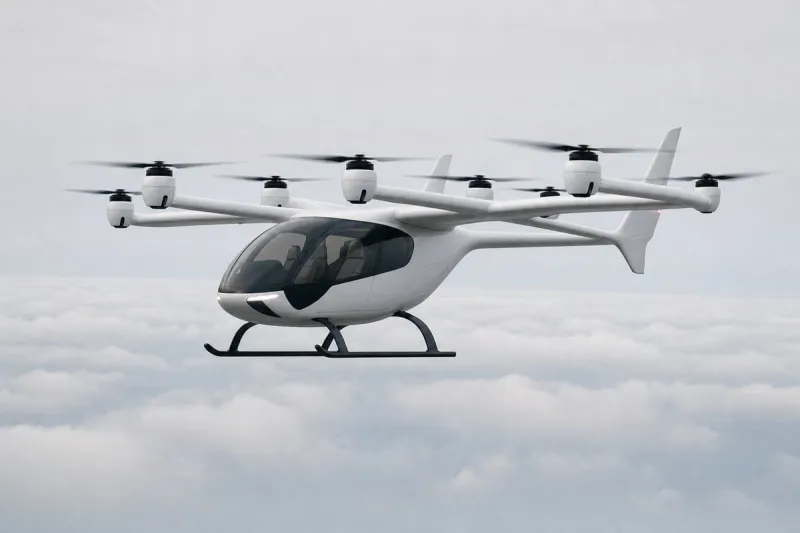
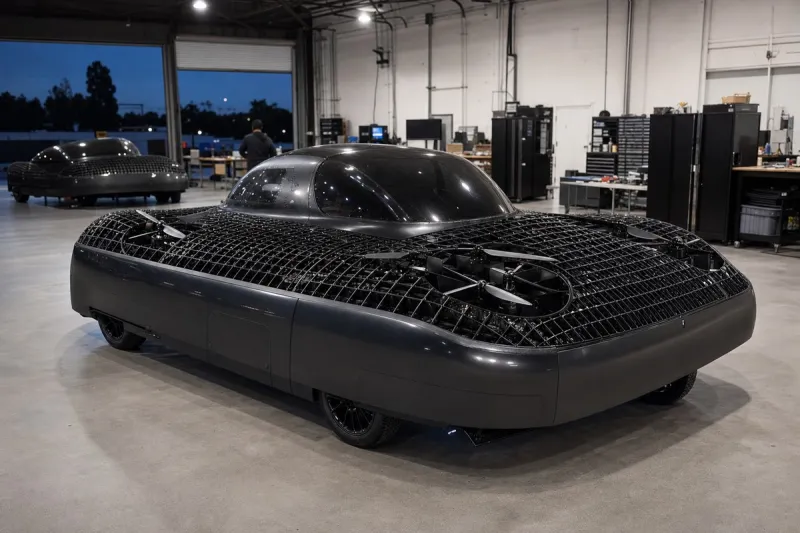
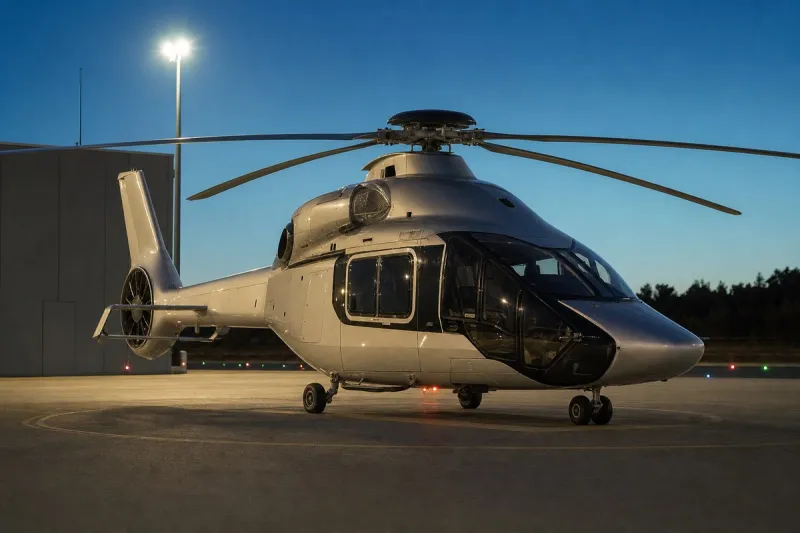
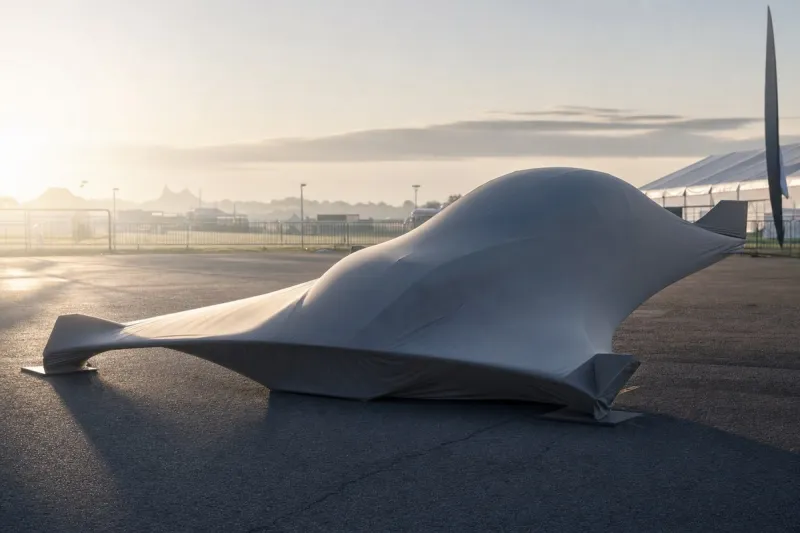
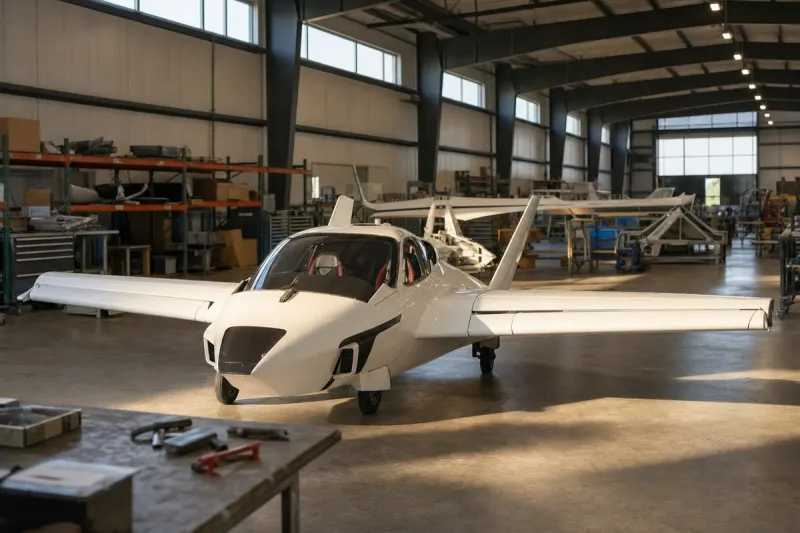
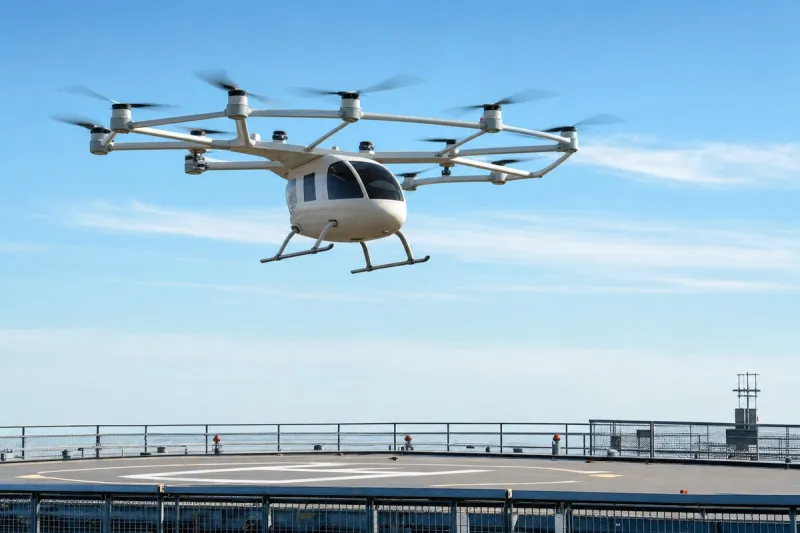
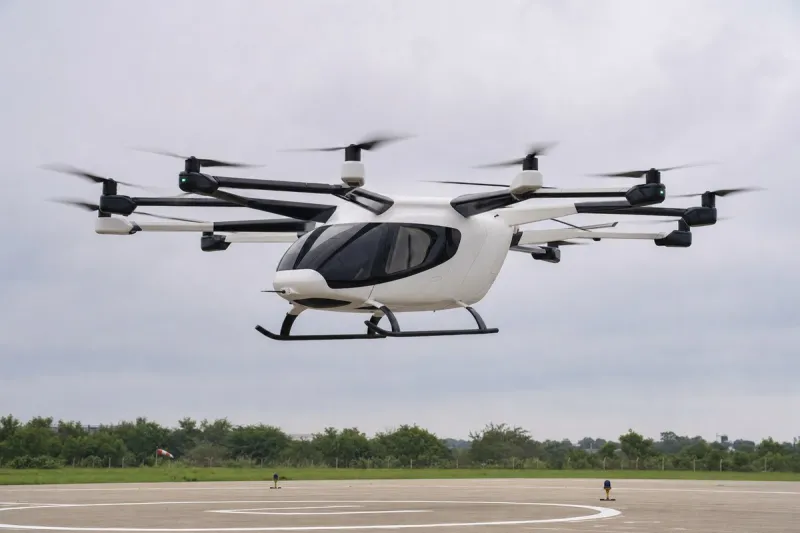
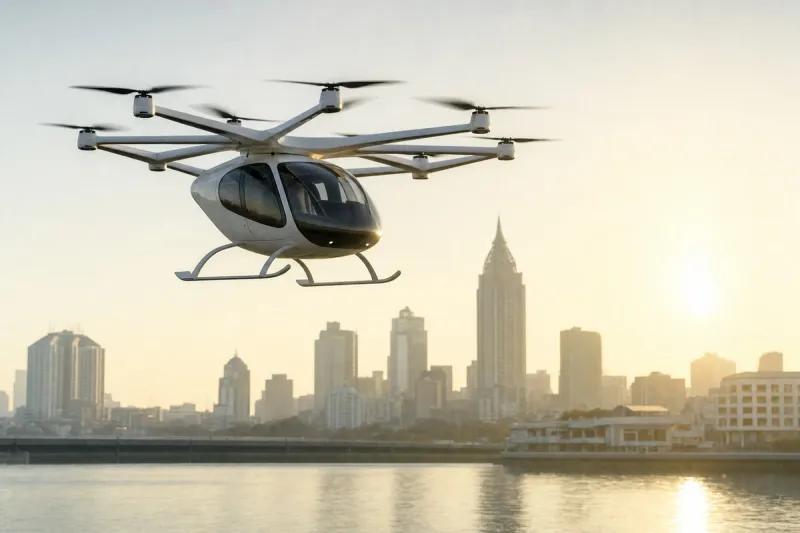
A two-day conference in Shenzhen displayed the latest air mobility technologies, with eVTOL aircraft covering scenarios from single-person commuting and multi-passenger transport to heavy-lift logistics and dual-mode land-air operations. Manufacturers presented upgraded power systems and aerodynamic designs intended to improve flight endurance and safety.
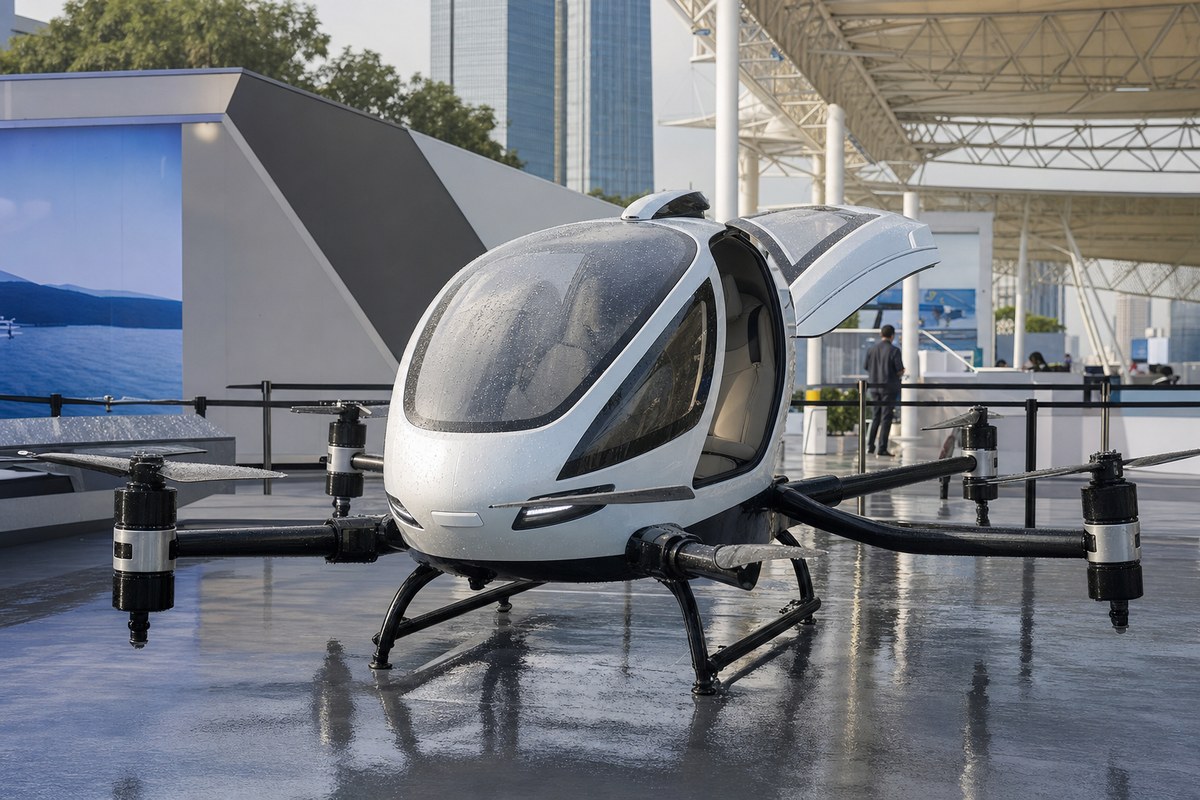
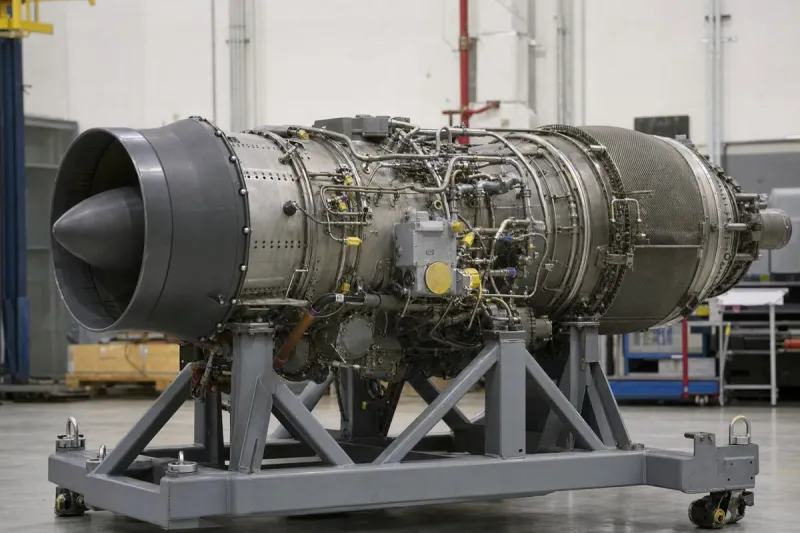
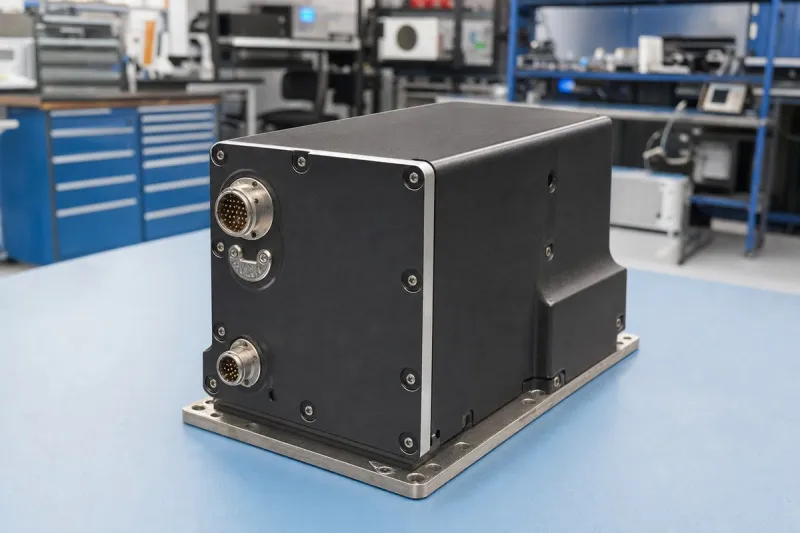
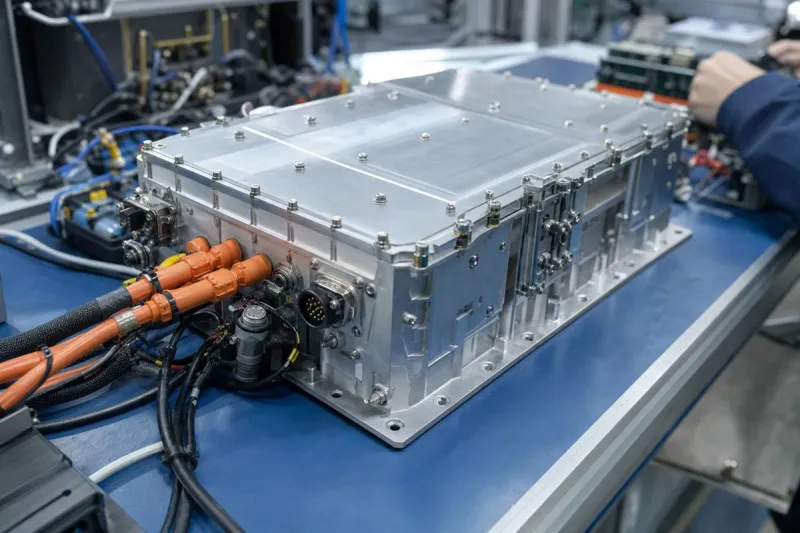
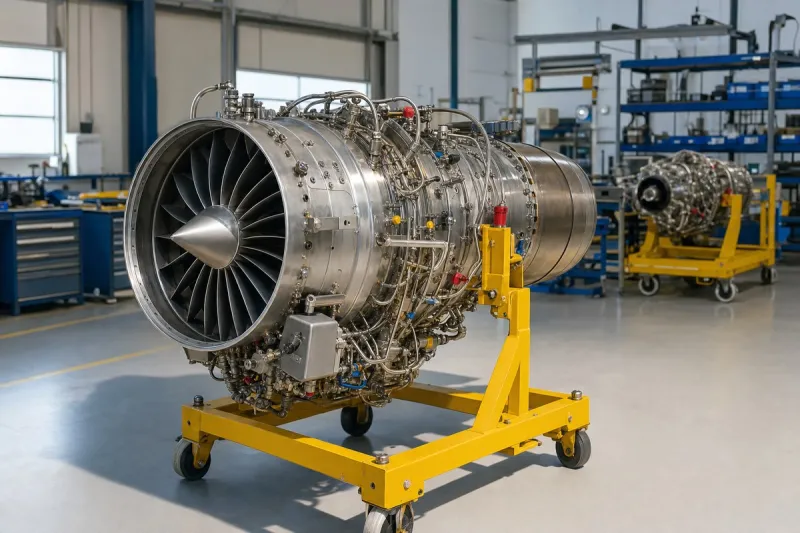
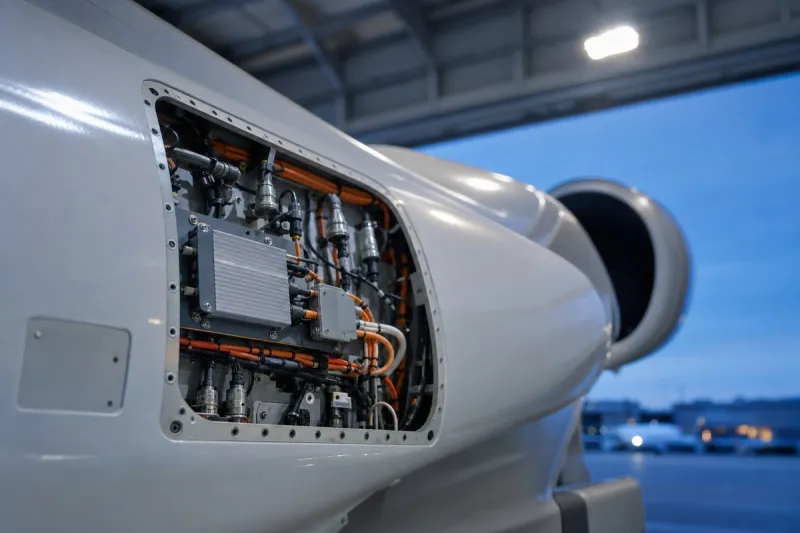
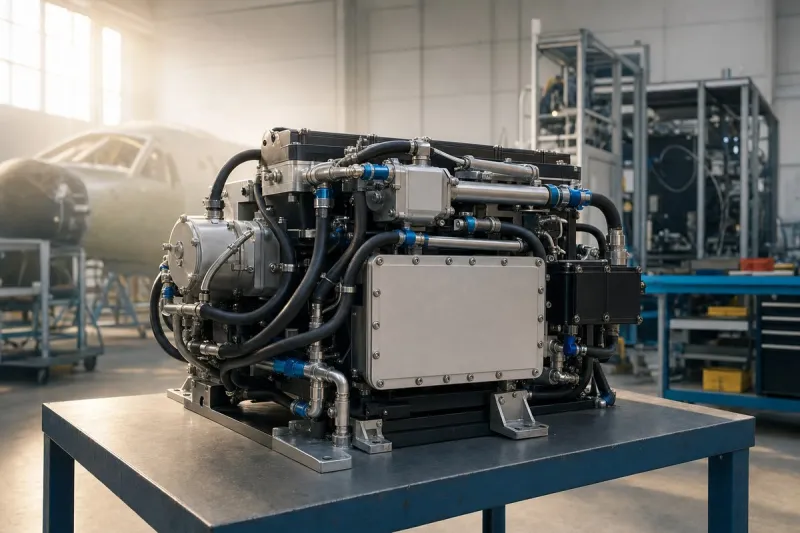
The exhibition also emphasized foundational technologies underpinning the sector, including electric drive systems, aviation energy storage and advanced structural materials, described as part of the upstream supply chain of the low-altitude economy — defined at the event as activity below 1,000 metres. Among the exhibits was an emergency locator transmitter developed by Chinese avionics firm Loongrise Avionics, designed to pinpoint an aircraft's latitude and longitude following an accident. Zeng Zhaopeng, vice president of Loongrise Avionics, said, "Whether it's a large aircraft or a low-altitude vehicle, once it is in an accident, [the locator transmitter] can pinpoint the aircraft's latitude and longitude, greatly improving aerial search-and-rescue efficiency."
The conference brought together representatives from the Harbin Institute of Technology and the Shenzhen Research Institute of Beihang University, who showcased their work to promote industry-academia-research integration and accelerate commercialisation and cluster development in the low-altitude sector. Yuan Yixiao, deputy chairman of the Guangdong Aeronautics and Astronautics Society, said Shenzhen holds a competitive advantage due to its consumers and established drone industry, noting, "Shenzhen's application scenarios and consumer habits are more welcoming to new forms of consumption. The existing drone industrial chain of Shenzhen itself can also effectively support the demands for the scenarios' application."
Industry impact & what to watch
Events like this one illustrate how the low-altitude economy is being built as a layered ecosystem rather than a single aircraft category — vehicle makers, power and materials suppliers, safety-equipment developers and research institutes all showing up at the same venue to align on what a commercial eVTOL sector will require. Search-and-rescue equipment such as the Loongrise locator transmitter points to how safety infrastructure and airborne-vehicle development are advancing together, since regulators and operators will need reliable post-accident location capability before multi-passenger or heavy-lift eVTOL operations scale.
The presence of the Harbin Institute of Technology and the Shenzhen Research Institute of Beihang University signals that commercialisation in this sector is being pursued through formal academia-industry channels, not solely by manufacturers acting alone. Yuan Yixiao's comments point to a locational argument: a city's existing consumer base and drone manufacturing chain can double as scaffolding for eVTOL adoption, since components, suppliers and application scenarios already familiar to consumers lower the barrier to introducing new low-altitude products.
What remains to be seen is whether the technologies shown — from power systems to locator transmitters to dual-mode land-air designs — move from exhibition prototypes into certified, operational products, and which of the manufacturers or research partnerships translate this display into commercial deployment.