China's Electric Aviation Edge Lies in Its Transport System and Industrial Base, Not Individual Prototypes
Why It MattersA genuine electric-aviation industry will be measured not by prototype milestones but by scheduled fleets, observed battery-replacement intervals and repeat operator orders accumulating over time.
What happened
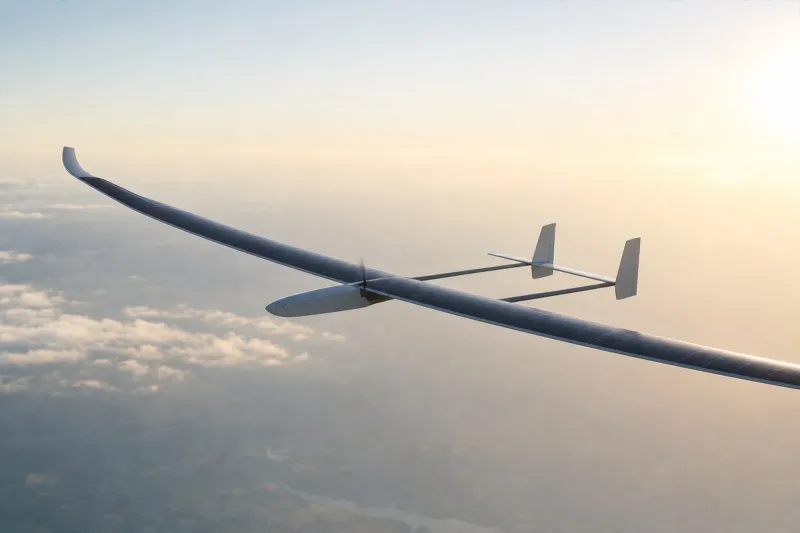
An analysis published by TFIE Strategy Briefing argues that China's edge in electric aviation comes from the integrated transport and industrial system around its development effort rather than from any single aircraft prototype. China's high-speed rail network reached approximately 50,400 kilometres by end-2025 and is expected to approach 60,000 kilometres by 2030, concentrating dense intercity travel on rail and leaving thinner regional routes, island connections, difficult terrain, cargo links and underserved cities as the segment electric aircraft could serve.

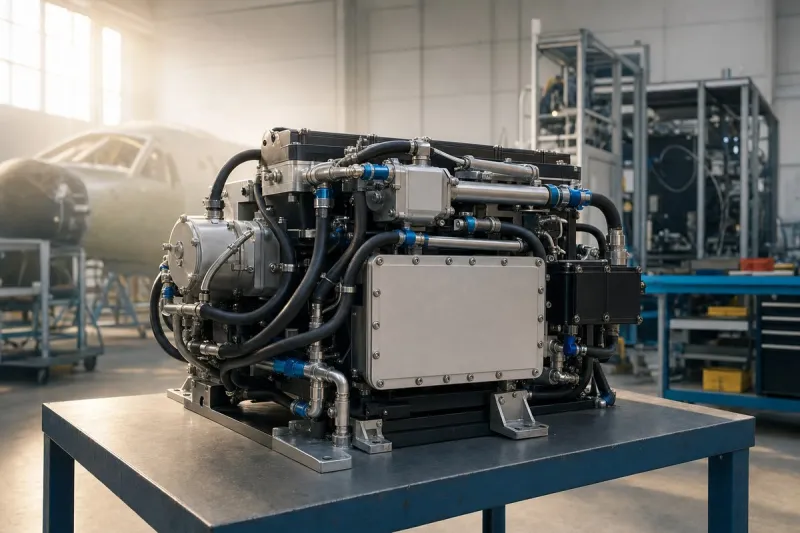
On the industrial side, the International Energy Agency reported that China produced more than 80% of global battery cells in 2025, along with even larger shares of some key active materials. CATL has published an aviation-oriented cell rated at up to 500 Wh/kg and has conducted certification-oriented safety testing on a lower-specific-energy configuration. China's Green Aviation Manufacturing Development Outline for 2023–2035 covers electric propulsion, aviation batteries and civil-aircraft integration, and the CAAC has established a short-haul aviation operating framework addressing routes, schedules, airport integration, passenger service and oversight. COMAC-associated programs are conducting electric-propulsion and aircraft-integration work, and AECC has described a megawatt-class hybrid propulsion system intended for next-generation regional aircraft applications.
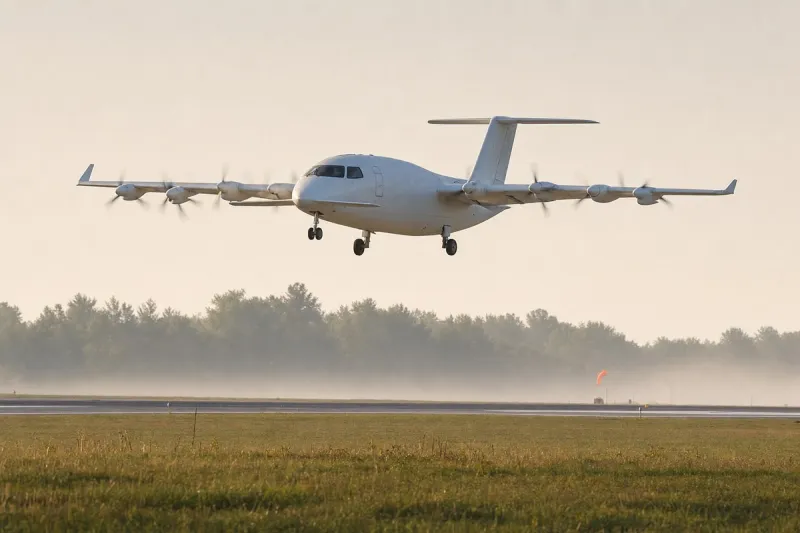
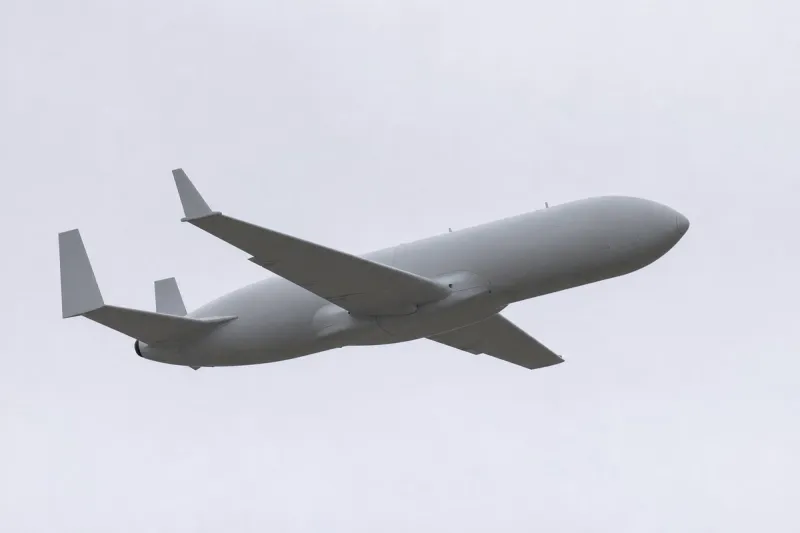
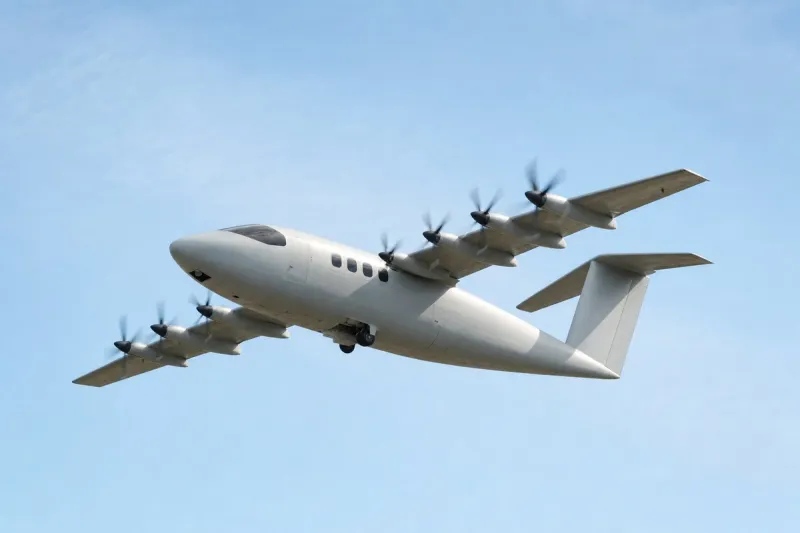
By early 2026, COMAC's C909 aircraft were operating commercially in Southeast Asia, supported through certification acceptance, leasing, training, maintenance and operating support, which the analysis cites as relevant to future electric-aircraft exports. The analysis also notes that the Western competitive position remains substantial: Heart Aerospace's X1 demonstrator flew for 27 minutes in August 2026 at more than 25,000 pounds takeoff weight with over one megawatt of electric propulsion, Airbus, ATR, Embraer, Safran, Pratt & Whitney Canada and Collins Aerospace bring deep aerospace experience, and Europe certified the Pipistrel Velis Electro in 2020.
Industry impact & what to watch
This analysis reframes the electric-aviation race as a systems contest rather than a race between individual airframes. Rail capacity that absorbs dense city-pair demand, a battery-manufacturing base that supplies most of the world's cells, and a national industrial outline that names aviation batteries and propulsion as targets together shape which routes an electric aircraft needs to serve and how quickly a supply chain can support it.
Commercial aviation segments generally move from demonstrator flights to scheduled service only once supporting infrastructure, certification pathways and aftermarket support exist alongside the aircraft itself, and the C909's export experience in Southeast Asia is cited precisely because it shows that certification acceptance, leasing, training and maintenance support can be built out ahead of an aircraft category reaching scale.
The analysis sets out concrete markers that would separate a genuine industry from a development programme: hundreds of electric or hybrid aircraft flying repeated scheduled services, battery replacement intervals becoming observable in operation, operators placing second orders, and foreign fleets beginning to accumulate operating history. None of those conditions are yet reported as met by either Chinese or Western programs, leaving the comparison to rest on infrastructure and industrial base rather than on flight-test results alone.