IBA forecasts 87% rise in gross aviation emissions by 2050, reaching 1.58 billion tonnes of CO₂
Why It MattersThe forecast shows efficiency gains from fleet renewal alone cannot offset demand-driven emissions growth, leaving SAF adoption, operational changes and policy support as the decisive variables.
What happened
IBA's NetZero sustainability platform has projected that annual gross aviation tailpipe emissions will climb from approximately 843 million tonnes of CO2 in 2025 to 1.58 billion tonnes by 2050, an increase of around 87%. These figures represent tank-to-wake emissions and exclude the potential impact of sustainable aviation fuel, carbon offsetting schemes, or other market-based reduction measures.
Despite the rise in total emissions, IBA projects average fleet emissions intensity will fall by around 20%, from approximately 91 grams of CO2 per revenue passenger kilometre in 2025 to 73 grams by 2050. Global RPKs are forecast to increase by 134%, from 9.25 trillion in 2025 to 21.65 trillion by 2050. The global commercial passenger fleet is expected to nearly double, growing from around 29,800 aircraft in 2025 to more than 56,000 by 2050, with fleet renewal cited as a significant driver of lower fuel burn per aircraft.
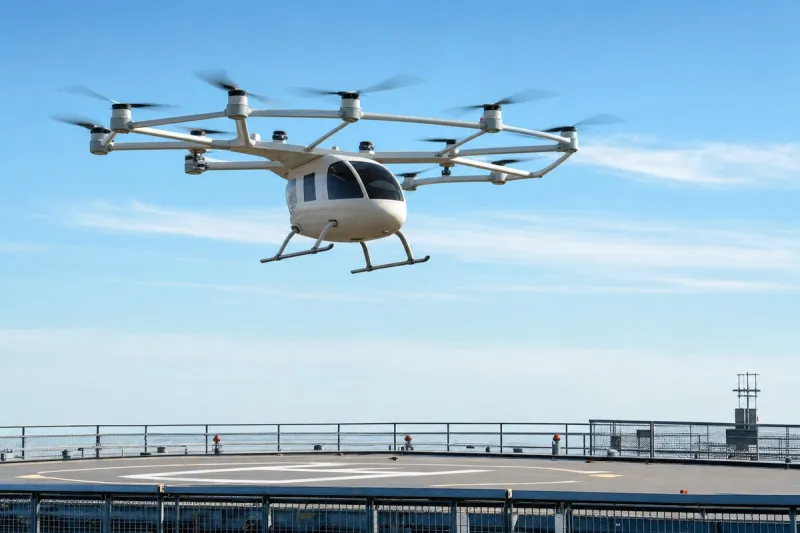
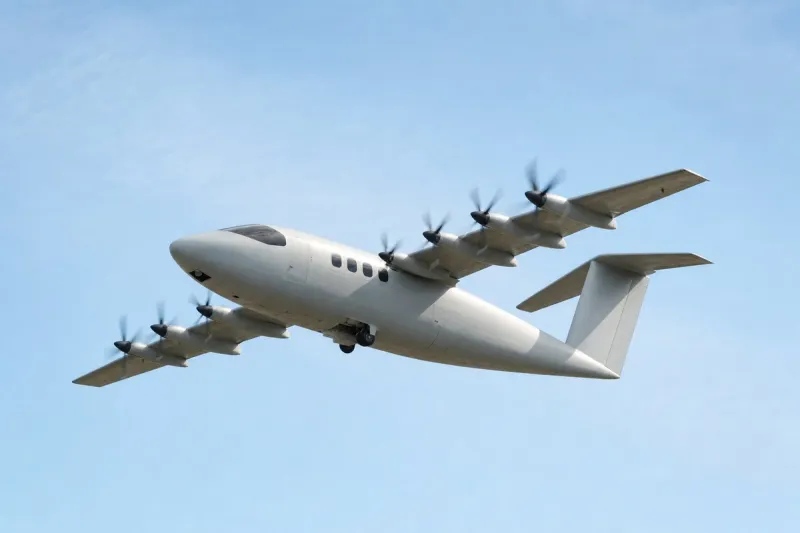
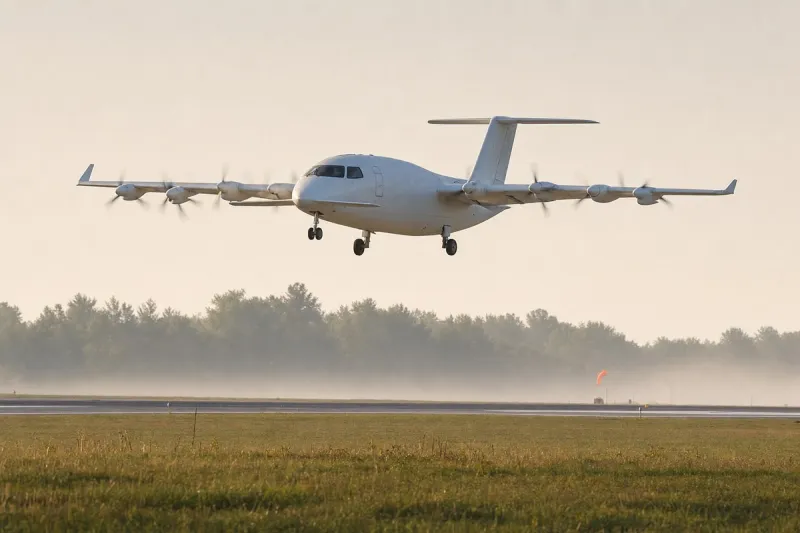
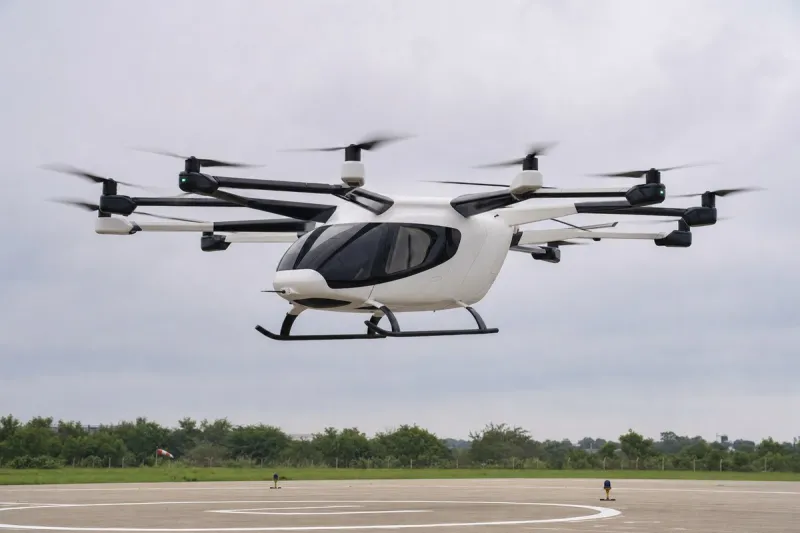
Archie Brown, senior analyst at IBA, said efficiency gains from fleet renewal would continue to reduce emissions on a per-passenger basis but would be insufficient on their own to bring down total emissions as air travel demand grows. He added that achieving the industry's longer-term decarbonisation goals would require wider adoption of SAF, further operational improvements, and supportive policy measures. Under IBA's baseline scenario, zero-emission aircraft are not expected to enter commercial service in meaningful numbers until after 2046, and by 2050 they are forecast to account for around 0.3% of the global passenger fleet, with operations largely limited to local and regional routes. IBA described the analysis as a baseline projection rather than a net-zero pathway, combining aircraft delivery and retirement forecasts with assumptions around passenger demand, utilisation, and load factors, and dedicated freighter aircraft are excluded from the study.
Industry impact & what to watch
This projection illustrates a structural tension in commercial aviation's decarbonisation math: fleet renewal reliably lowers emissions per passenger, but when demand growth outpaces that efficiency curve, total output still climbs. A 20% intensity improvement paired with a 134% rise in traffic produces a net increase rather than a decline, which is the arithmetic behind the 87% emissions figure.
The scenario also shows how far zero-emission propulsion sits from bending that curve at scale. With such aircraft confined to roughly 0.3% of the fleet by 2050 and mostly on local and regional routes, the near-term levers remain SAF uptake, operational efficiency, and policy support — none of which this baseline scenario assumes will be deployed at full strength, since IBA frames it as a projection rather than a net-zero pathway.
What happens between now and 2050 will depend on how quickly SAF production scales, whether regulatory mandates tighten faster than the baseline assumes, and how fast airlines retire older aircraft in favour of the more efficient models driving the 20% intensity gain. IBA's own distinction — a baseline outcome versus a net-zero pathway — is the gap that policy and industry commitments would need to close.