EcoCeres CEO argues aviation must treat SAF as an energy security tool, not just a climate measure
Why It MattersThe framing pushes SAF procurement decisions toward resilience and domestic supply-chain criteria, potentially reshaping how airlines and policymakers prioritize regional feedstock and production investments.
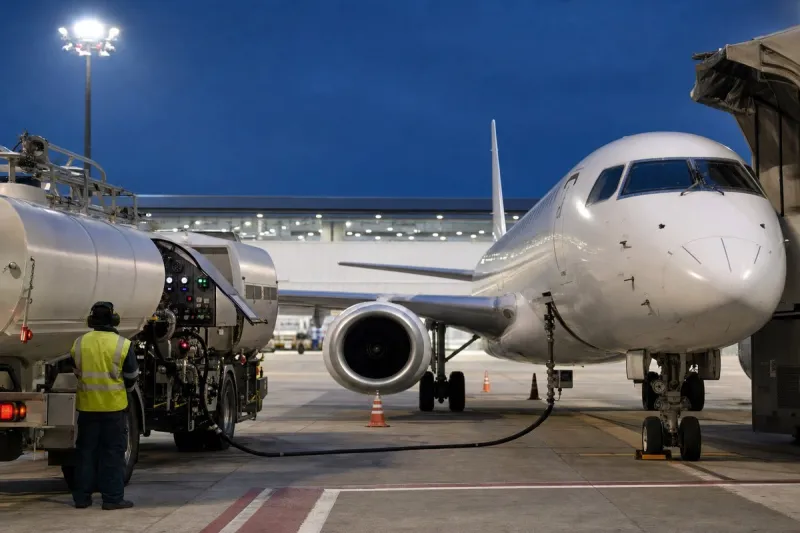
Matti Lievonen, CEO of EcoCeres, argues in a published commentary that aviation's approach to sustainable aviation fuel is too narrowly focused on climate targets and must also address energy security. He contends that geopolitical tensions, Middle East conflicts, and shifting trade policies expose the fragility of global jet-fuel supply chains, and that boards should treat waste-based SAF as a strategic resilience asset alongside a climate tool.

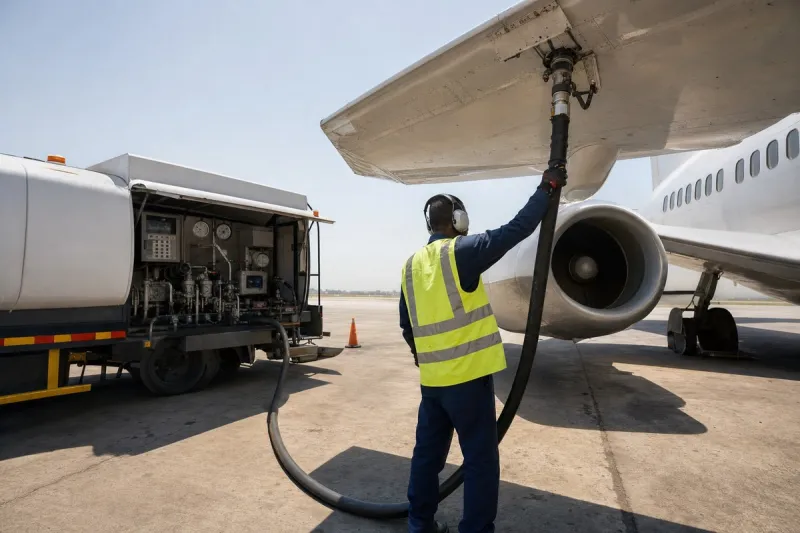
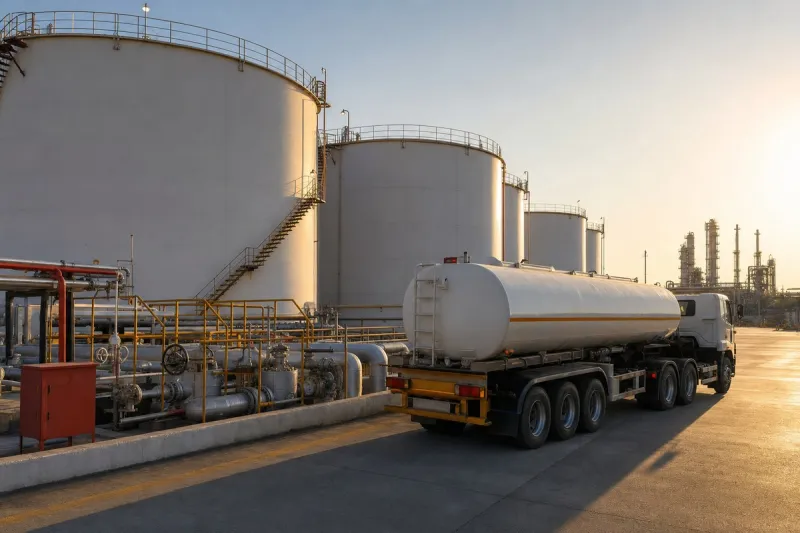
SAF, produced from renewable feedstocks such as used cooking oil and agricultural waste, can be blended with conventional jet fuel for existing aircraft and infrastructure. Lievonen proposes a "local-to-local" model in which feedstocks are sourced domestically, conversion facilities sit near feedstock sources and aviation hubs, and circular benefits — including reduced landfill pressure and economic opportunities for local producers — are captured. He sets out four tests for credible SAF: genuine waste or residue feedstocks, verified lifecycle emissions reductions, circular local benefits, and a newly added test of reduced exposure to global supply shocks through local-to-local energy systems.
As an example of waste-to-fuel production at industrial scale, Lievonen cites EcoCeres' work in Hong Kong converting used cooking oil, agricultural waste, and other residues into renewable fuels, including through a large-scale facility in mainland China. He calls on business leaders to integrate energy security into climate strategies, support regional waste-based SAF projects through long-term procurement commitments, and work with policymakers on feedstock collection, production, certification, and distribution infrastructure, arguing that a net-zero strategy dependent on fuel that may be unavailable during a geopolitical crisis is not a complete resilience strategy.