U.S. House Passes Graham Sanctions Bill Against Russia, Awaits Trump's Signature
Why It MattersSecondary sanctions tied to oil and gas purchases push compliance risk onto buyer countries and their trading partners, widening exposure well beyond firms dealing with Russia directly.
What happened
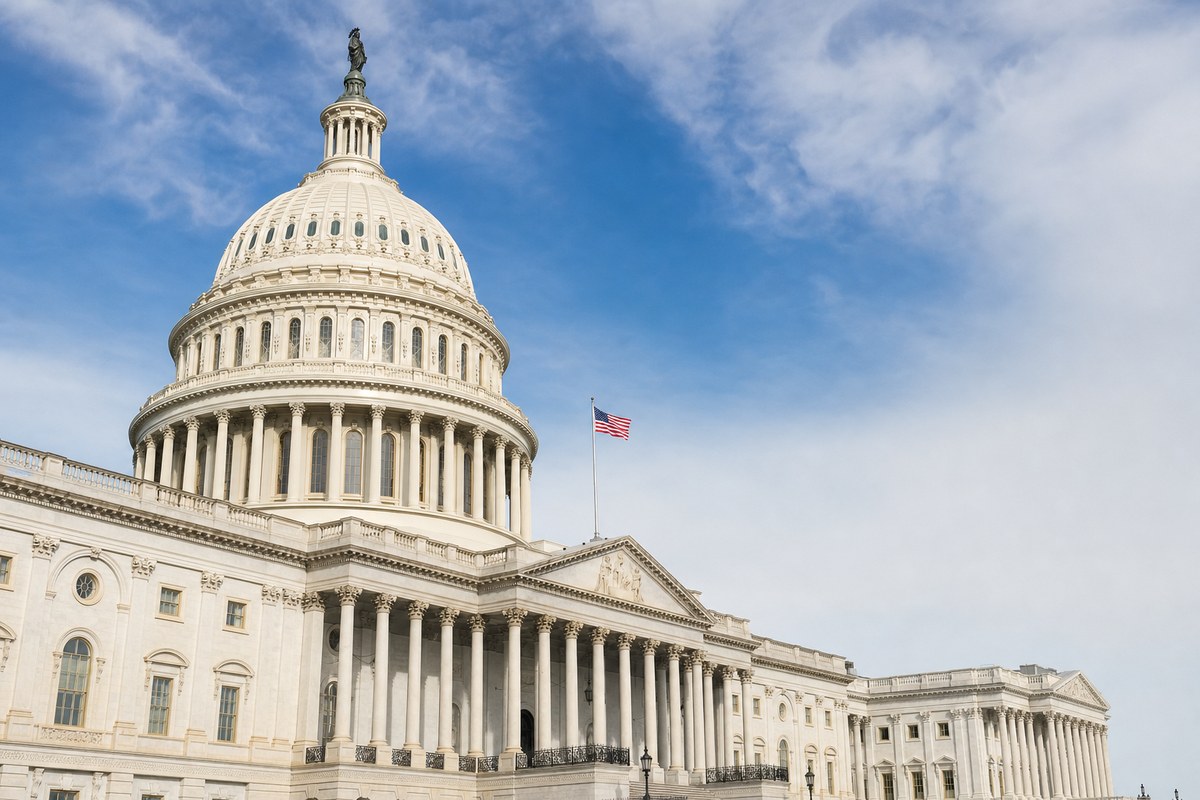
The U.S. House of Representatives passed a sanctions bill against Russia on September 16, with 262 votes in favor and 159 against. The legislation, named after the late Senator Lindsey Graham, had already cleared the Senate and now goes to President Donald Trump for his signature.
The bill expands sanctions against Russian officials, banks, financial institutions, and the so-called "shadow fleet." It also grants the U.S. president authority to impose tariffs of up to 100% on imports from countries that buy significant volumes of Russian oil or gas or help Moscow evade energy restrictions. Under the agreed version, these measures could apply to the five largest buyers of Russian oil and gas and the five countries that help circumvent sanctions.
The bill also contains provisions extending sanctions against Iran.
Industry impact & what to watch
Legislation of this kind works by making third-country buyers, not just the sanctioned party, bear the cost of continued trade — the tariff authority reaches importers of Russian energy rather than Russian sellers directly, which is what gives it broader reach across shipping, trading and financing chains tied to energy flows. Naming a five-country threshold for both oil-and-gas buyers and circumvention facilitators means the practical effect depends entirely on which governments end up on those lists, a decision the bill leaves to the executive rather than fixing in the text itself.
What happens next turns on Trump's signature and on how the administration chooses to apply the tariff authority once it has it. Any operator, insurer or financier with exposure to Russian energy trade, shadow-fleet tonnage, or trade with the countries most likely to be named should watch for the signing and for the first designations that follow, since those will show whether the authority is used broadly or held in reserve as leverage.