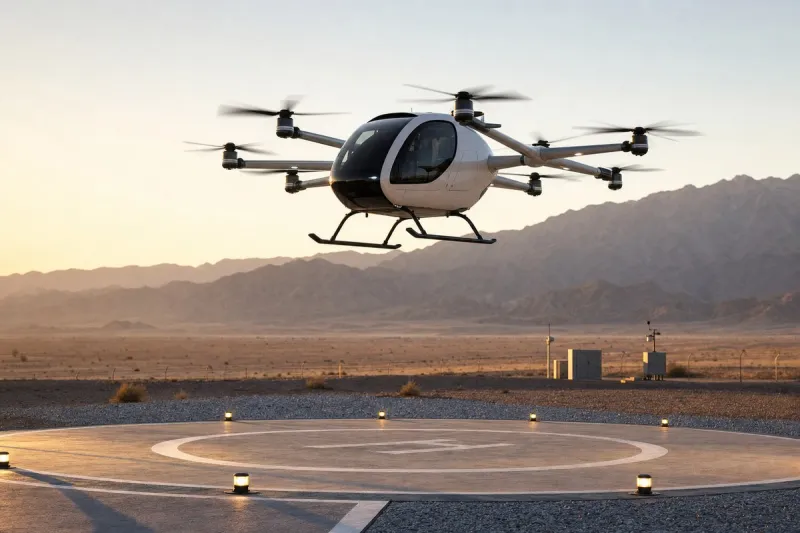
Gulf Region Positioned as Leading Launch Market for Advanced Air Mobility, Experts Say
Why It MattersThe panel's remarks signal advanced air mobility developers may increasingly target Gulf jurisdictions over Western markets for early certification, vertiport rollout and manufacturing bases.
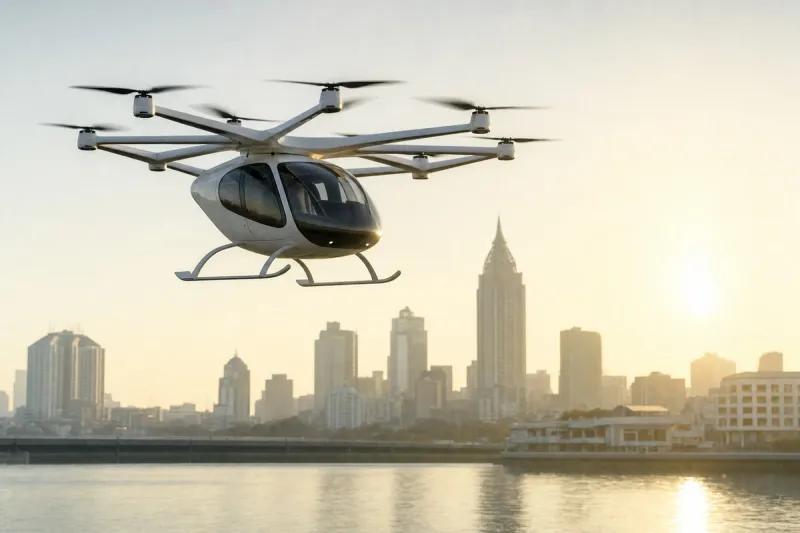
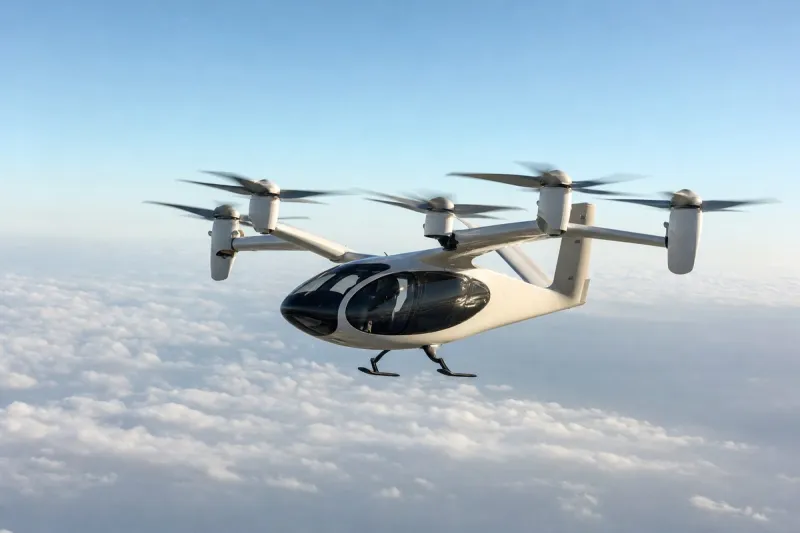
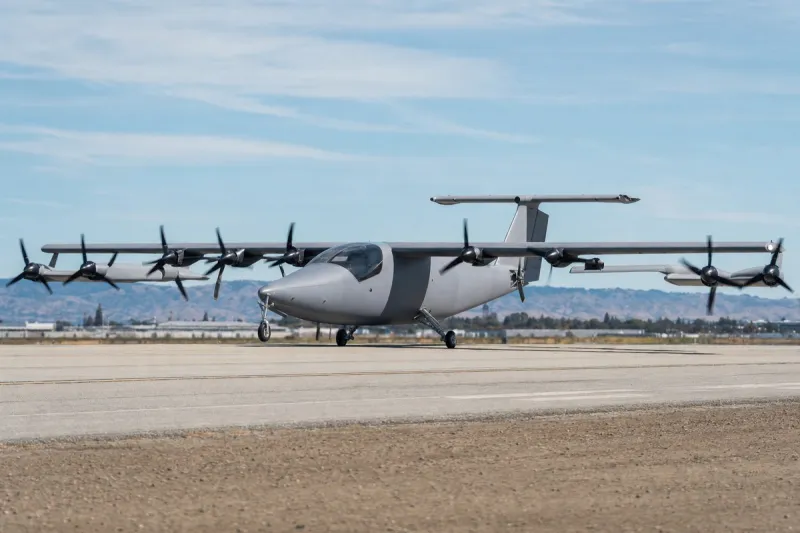
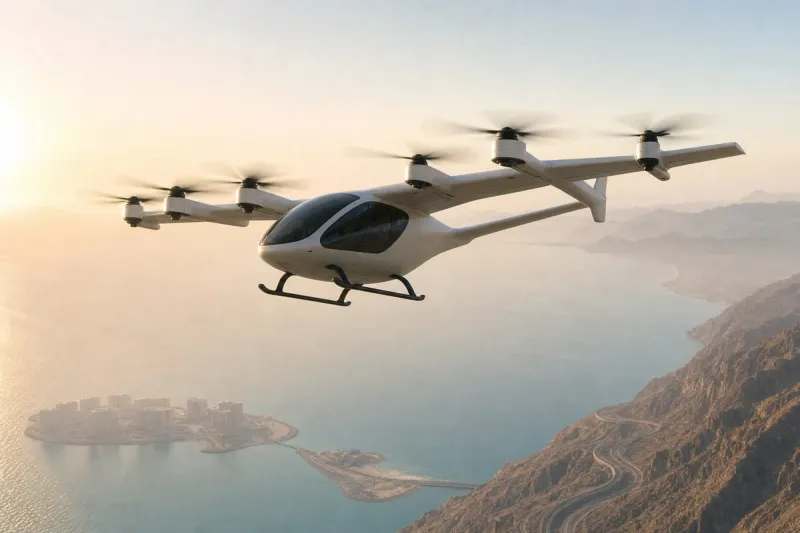
Speaking on a panel at the Autonomous e-Mobility Forum 2026, industry experts said government policy alignment, greenfield infrastructure development and substantial capital availability are positioning the Gulf region as the world's leading launch market for advanced air mobility. Dr Bidur Khanal of the University of Doha for Science & Technology (UDST) described the Gulf as "arguably the most permissive and the best capitalised launch market anywhere in the world at the moment."
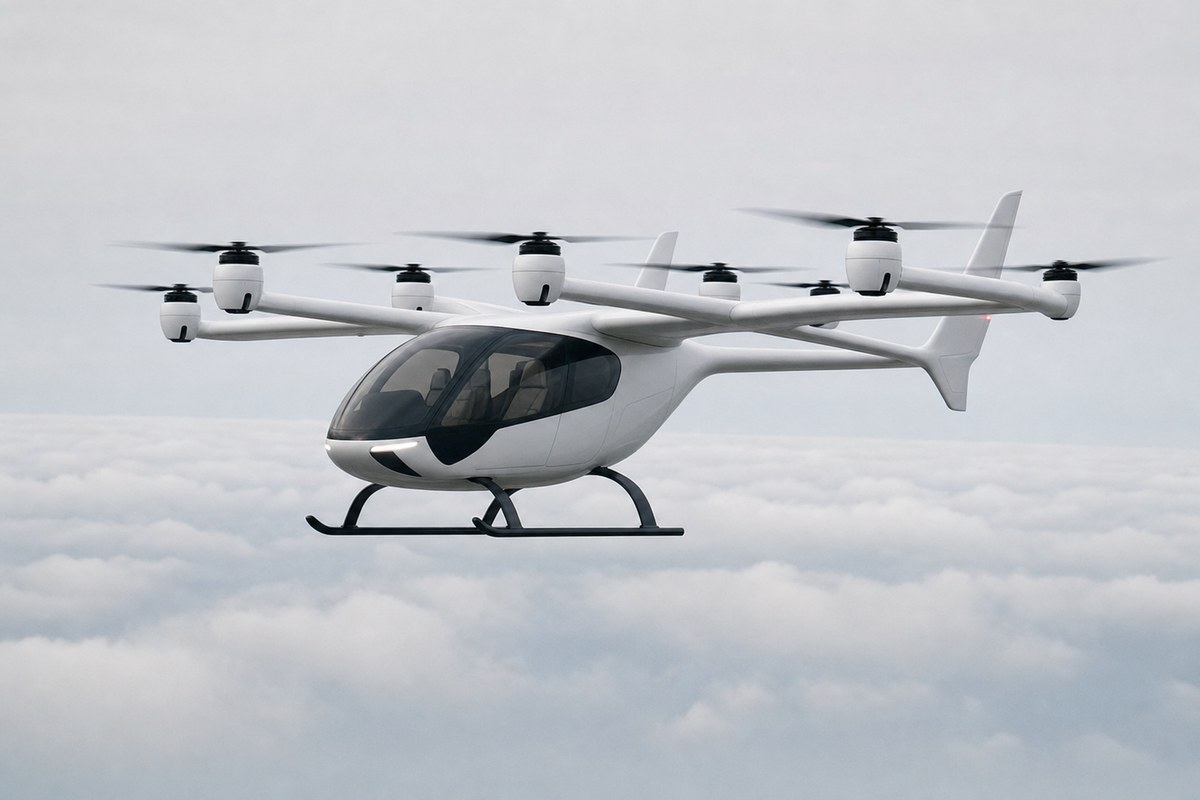
Fahad al-Riyami, CEO of AeroVecto, said Gulf markets are moving faster than traditional Western jurisdictions by integrating specialised regulations directly into national transportation frameworks, allowing rapid alignment of investment, policy and infrastructure once a decision is made. He said designing aircraft for the region's varied terrain and extreme climatic conditions, citing Oman's deserts and mountainous areas, provides a strong foundation for international certification.
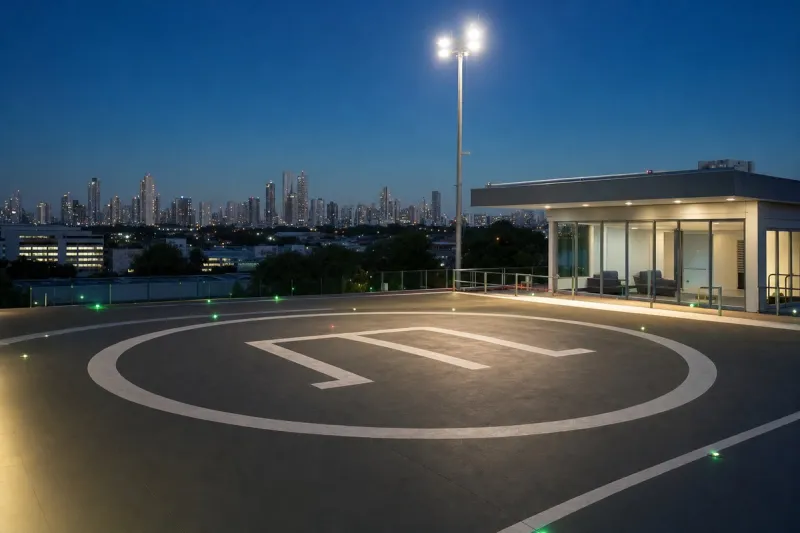
Paul Kaman of FlyNow Aviation Saudi Arabia said greenfield urban developments allow vertiport infrastructure to be built directly into master plans rather than retrofitted, and that clear national roadmaps, capital backing and high technology adoption among a young demographic make the region attractive for full manufacturing and operational bases, with vertiports representing bankable infrastructure for steady commercial returns.
Nayif Nasser al-Jaber of the Qatar Civil Aviation Authority (QCAA) said Qatar provides clear pathways for advanced air mobility operations through formal government decisions, and that the authority encourages engagement from international operators while collaborating with overseas manufacturing authorities on local compliance frameworks. Walid Meskine of Aeronex, DJI Enterprise, said extensive testing across regional conditions has proven aircraft capabilities in harsh environments, and that managed airspace architectures combining civil aviation oversight with micro traffic management systems will ensure safe integration between air taxis and traditional aviation.