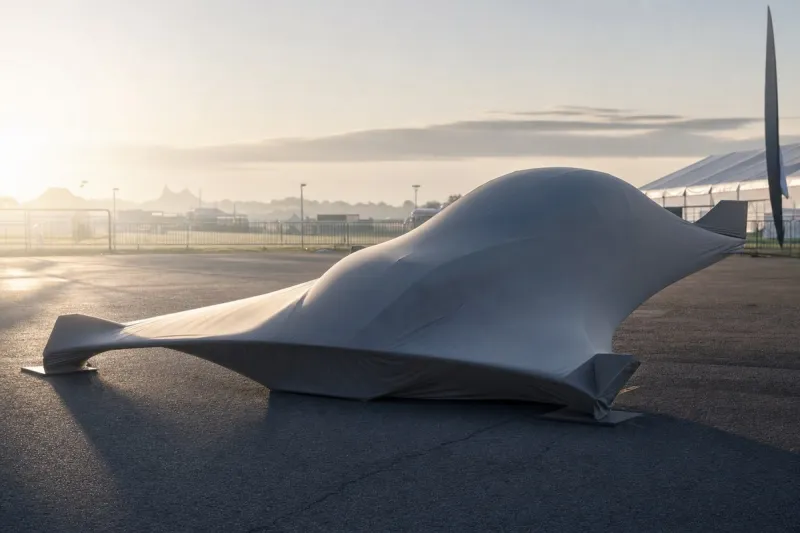
China's TMS-10 Low-Boom Supersonic Demonstrator Enters Final Assembly Ahead of Year-End Supersonic Test Flight
Why It MattersThe program signals China's push to build domestic expertise in low-boom supersonic civil aviation, an emerging niche where global development remains largely experimental.
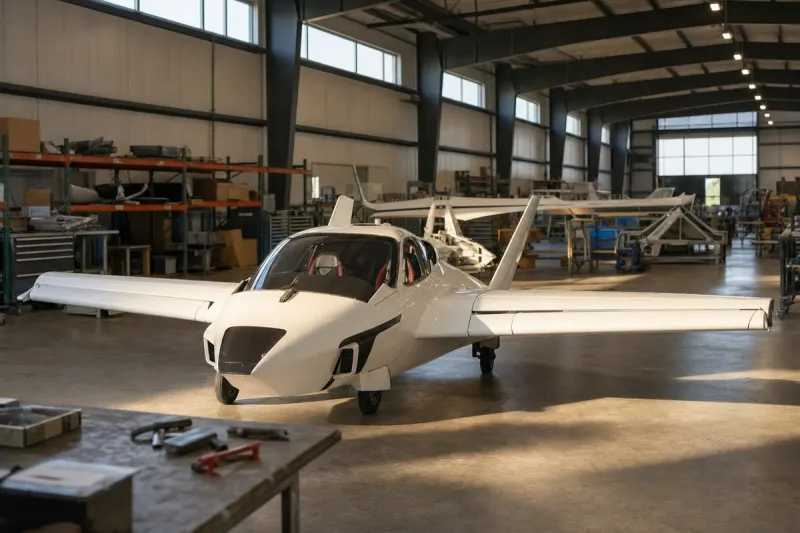
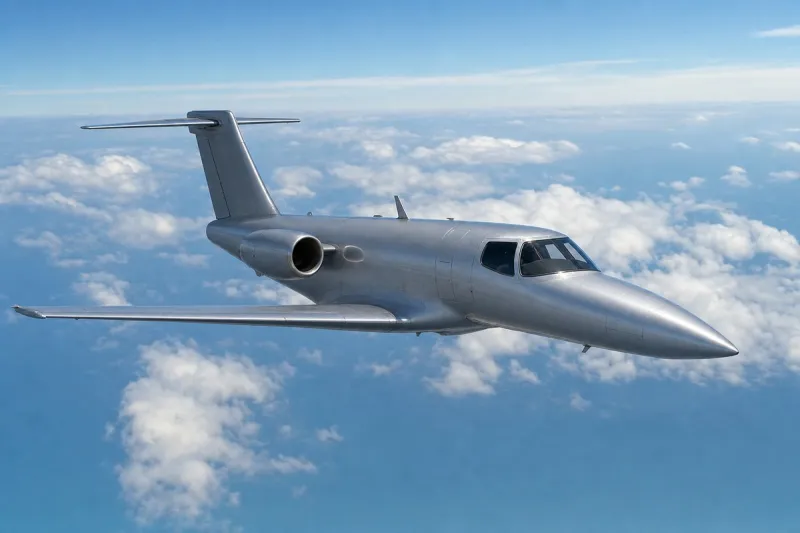
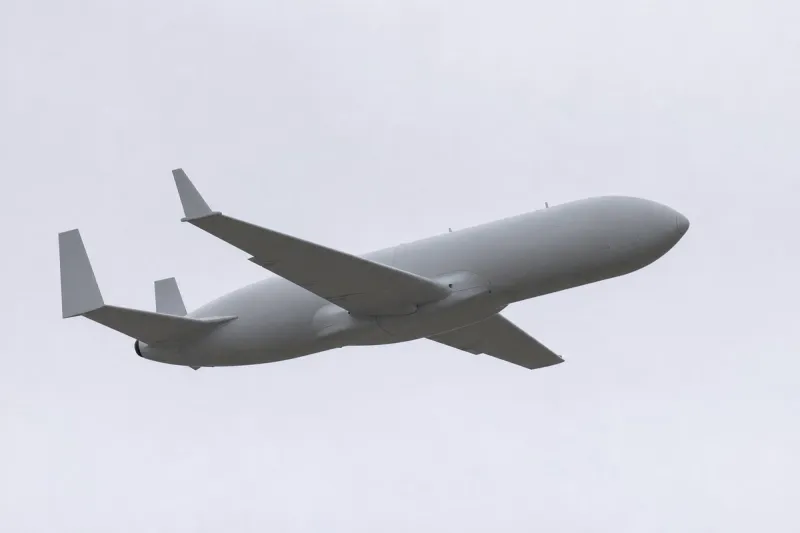
China's domestically developed low-boom supersonic demonstrator, the TMS-10, has entered final assembly and integration and is expected to attempt supersonic flight by the end of 2026. The aircraft is developed by Tianmushan Laboratory, a Zhejiang-based research institution established with support from Beihang University, which said the demonstrator has completed key development stages including aerodynamic wind-tunnel tests, flight-control law design and airframe manufacturing.
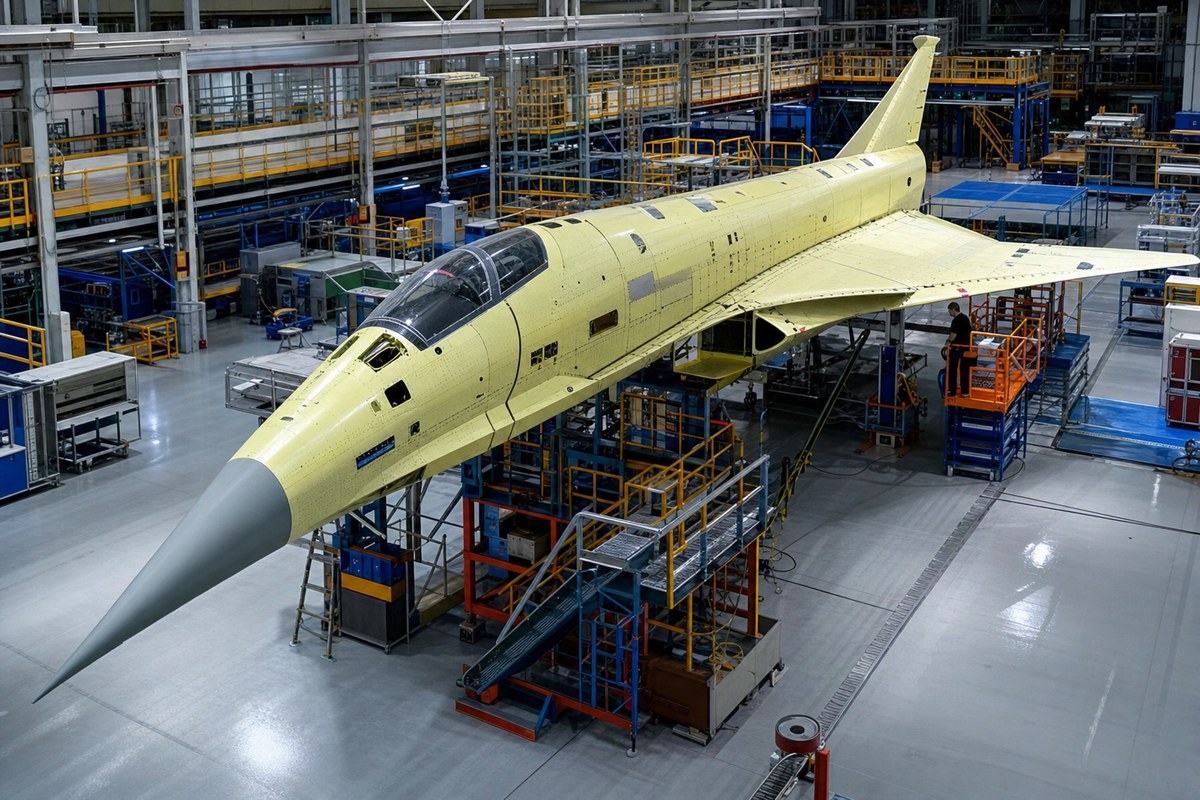
A successful supersonic passenger aircraft based on the TMS-10 design could cut travel time between Beijing and Shanghai to 30 minutes, compared with roughly two hours on the current air route spanning over 1,000 kilometres. The planned test flight will primarily assess supersonic cruising performance and measure the aircraft's sonic boom, aiming to validate an aerodynamic configuration designed for low drag and low sonic boom, said Liang Yu, an associate researcher with the TMS-10 team. The flight will also test transonic flight-control and integrated aerodynamic optimisation of the aircraft and propulsion system.
During a 2025 low-speed test, a 1:18 scale demonstrator based on the TMS-10 design completed its first low-speed flight on 30 June 2025 at Dingzhou Airport in Hebei Province, reaching less than Mach 0.2, verifying takeoff and landing, stability and control. The key objective of the forthcoming flight is to break through the sound barrier and achieve sustained and stable supersonic flight.
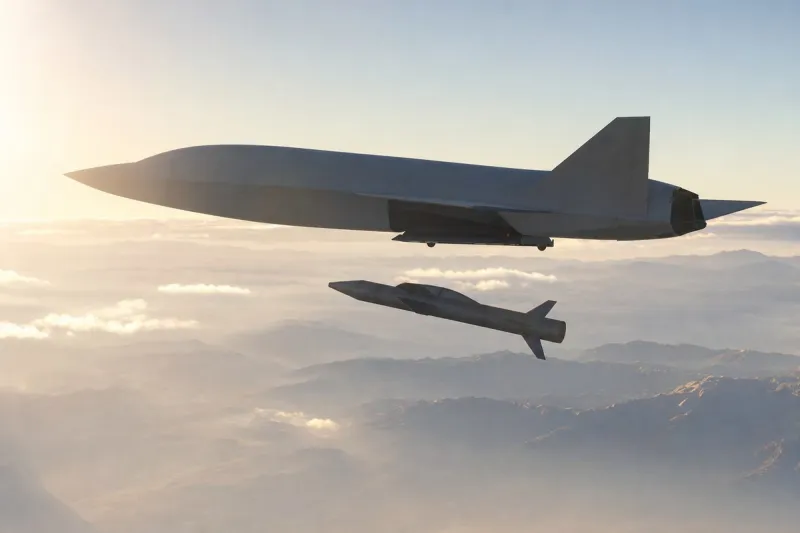
Tianmushan Laboratory said it has completed the overall design of a 10- to 15-seat supersonic business aircraft aimed at business travel and high-end tourism, optimised for both Mach 2 supersonic cruise and Mach 0.95 subsonic cruise. The TMS-10 adopts a three-surface aerodynamic configuration with a T-tail, where a forward canard helps prevent shock waves from the nose and wings from merging, while the T-tail redistributes and disperses shock waves at the rear, reducing sonic-boom intensity at ground level. Sonic-boom mechanisms, prediction and control for supersonic civil aircraft were listed among major frontier scientific questions at the 2026 China Aeronautical Science and Technology Conference in Wuxi, Jiangsu Province.
Wang Ya'nan, editor-in-chief of Aerospace Knowledge magazine, said China's next-generation supersonic passenger aircraft development is currently in the pre-research, concept evaluation and technology validation stage, noting that applying supersonic flight to civil aviation poses challenges including structural demands, heat resistance, fuel and maintenance costs, and strict safety and passenger-comfort requirements. The laboratory said the path from the current demonstrator to a passenger-carrying aircraft will require developing a variable-cycle propulsion system, conducting flight tests with a roughly 10-tonne large-scale low-boom demonstrator, and validating key structural components. Internationally, NASA's X-59 reached supersonic speed for the first time in June and subsequently flew at Mach 1.4 at 55,000 feet during testing for its quiet-supersonic mission.