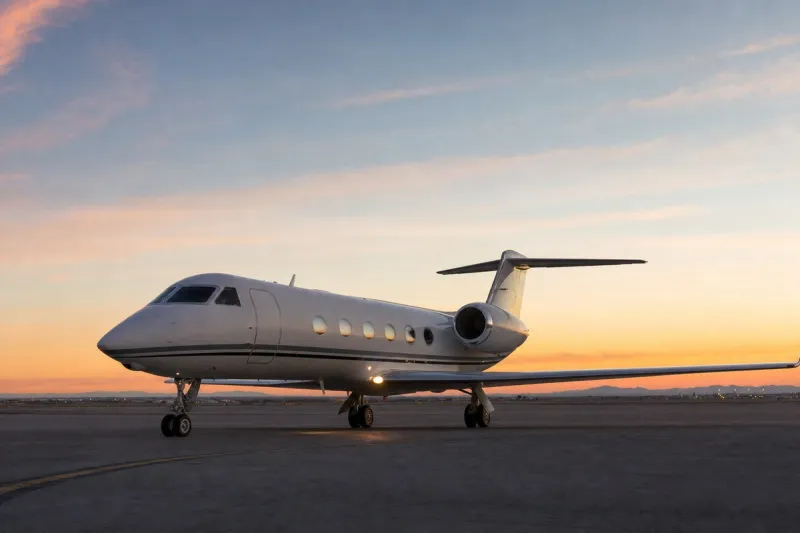
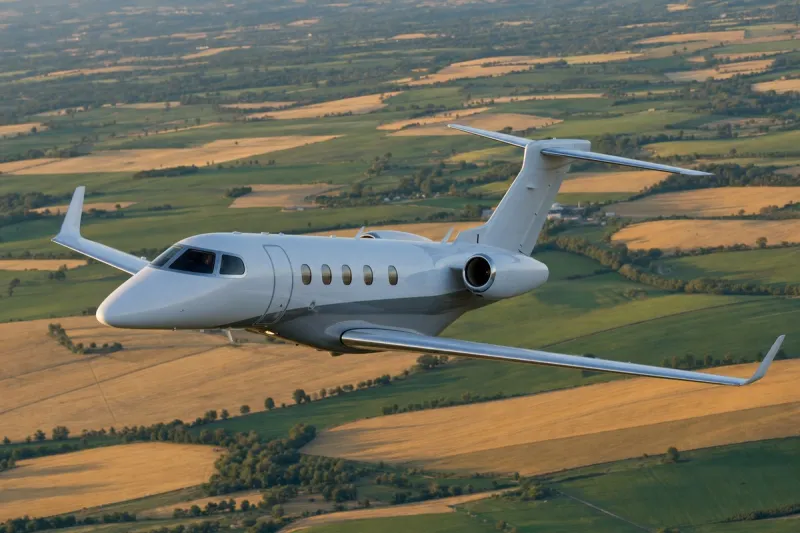
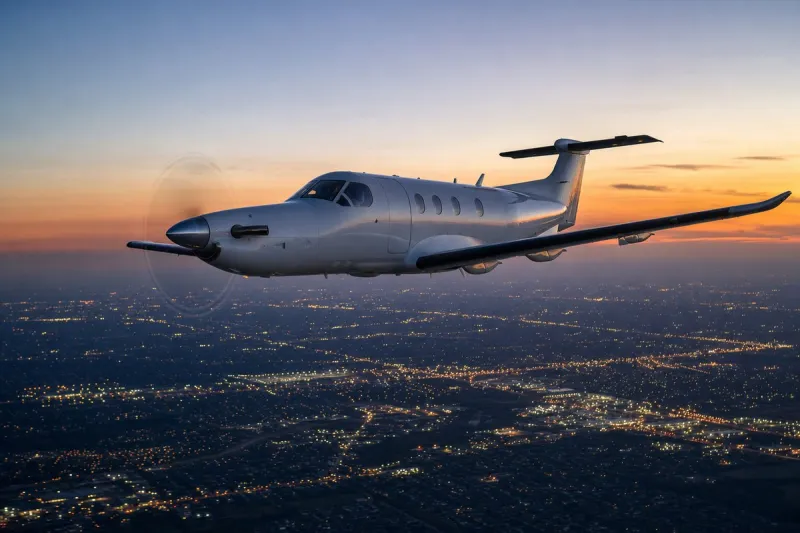
Business Jet Acquisition Follows Nine Ordered Steps, From Brief to Management, Typically Taking Three to Nine Months
Why It MattersThe sequence shows a purchase is gated by independent inspection, escrow and registry checks rather than price alone, so timing and cost depend on technical findings and cross-border registration.
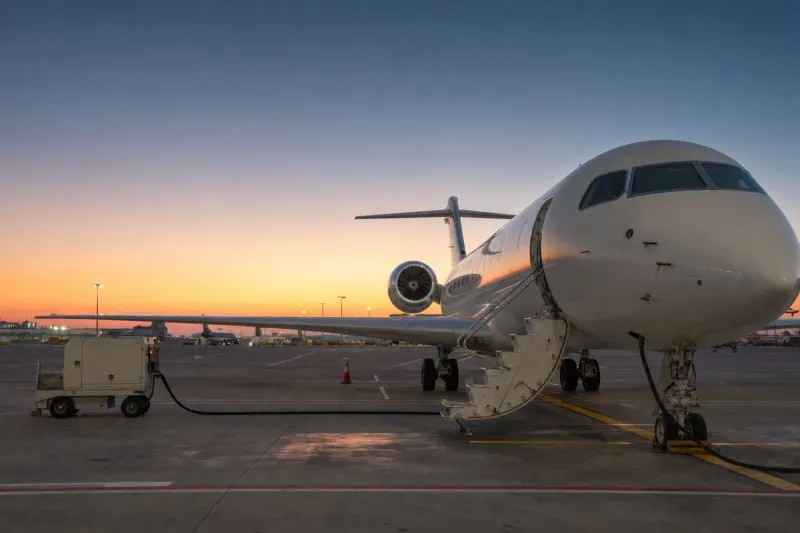
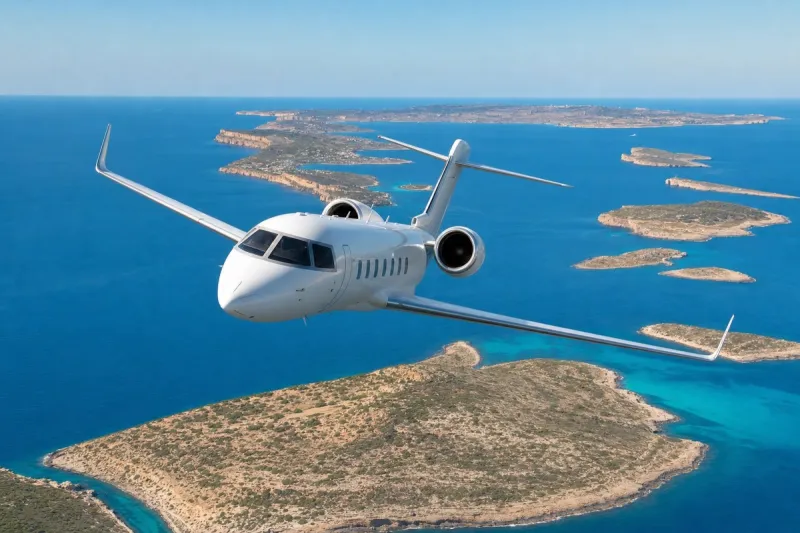
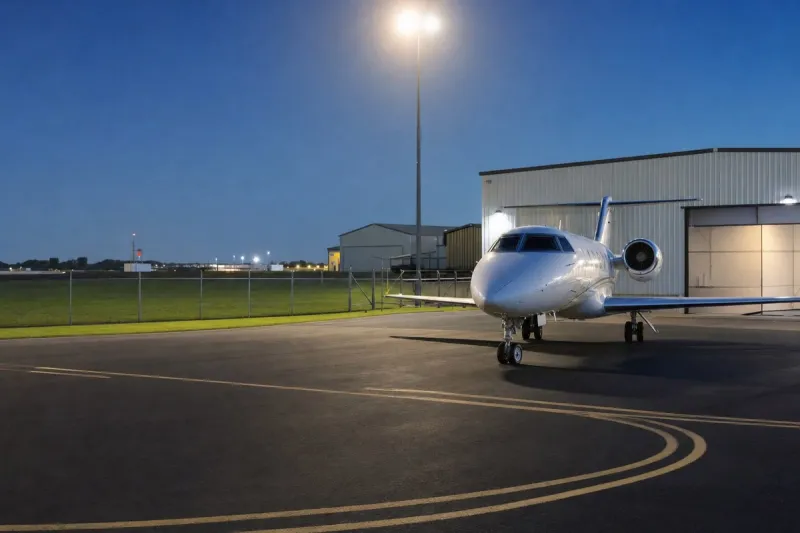
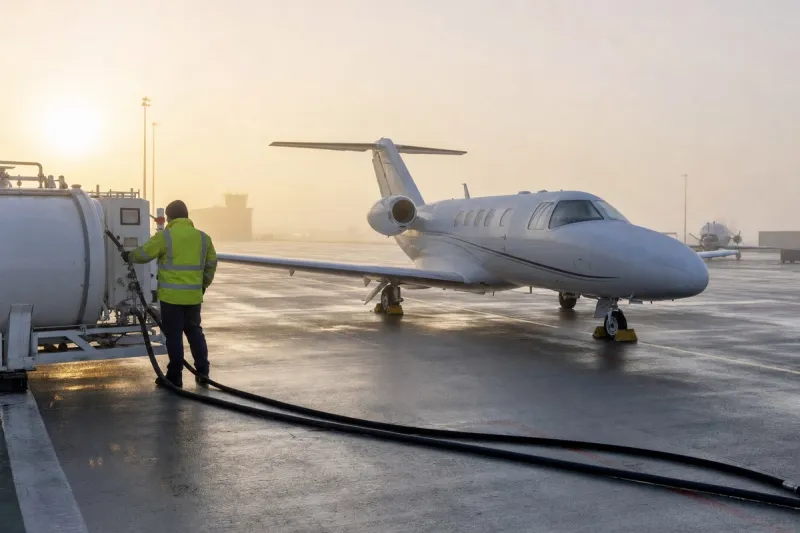
A business jet acquisition follows nine steps in a fixed order: the brief, the search, the letter of intent, the escrow deposit, the purchase agreement and pre-buy inspection, technical acceptance, closing, registration, and management. Each step has its own document and its own adviser. The process begins with a brief covering usual passenger numbers, destinations, flying frequency and whether the aircraft will be chartered out. The budget extends beyond the price to advisers' fees, inspection and remediation, escrow and title, legal costs, registration, taxes and annual operating costs. A team is assembled before the search: an aviation lawyer, an inspection facility independent of the seller, an escrow and title agent, and a tax adviser.
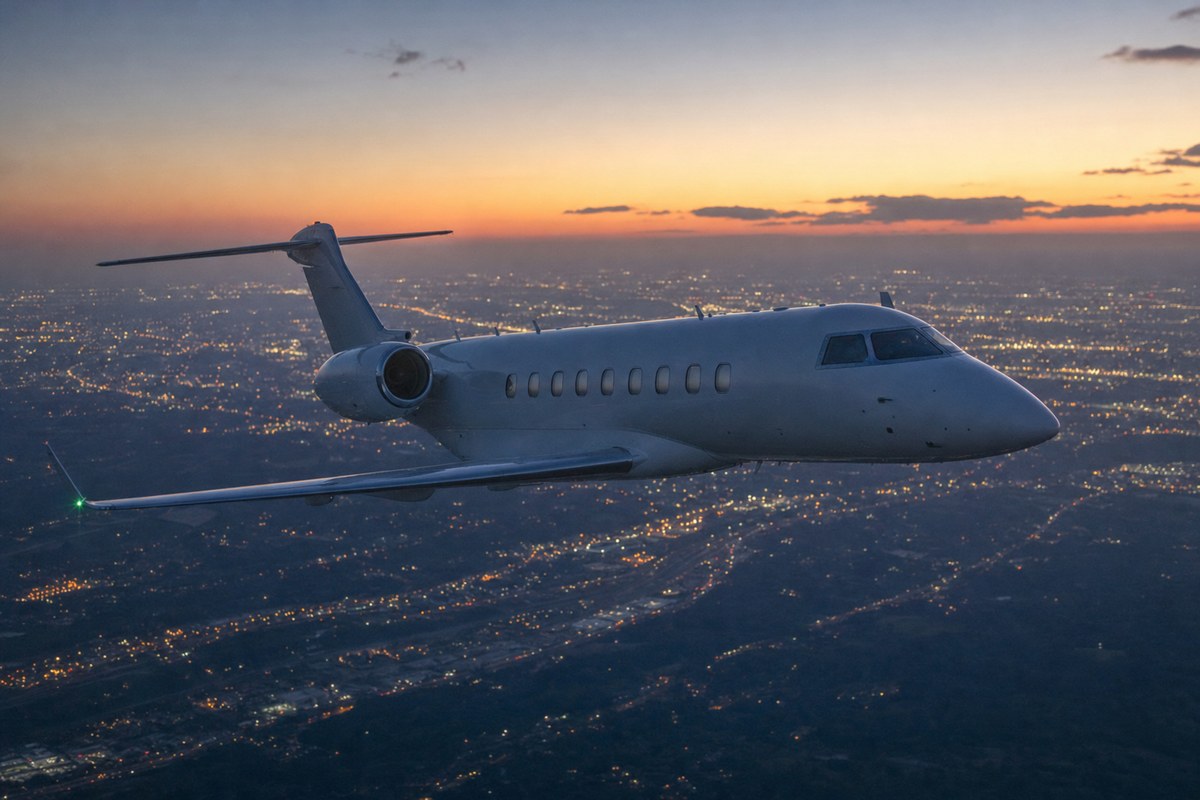
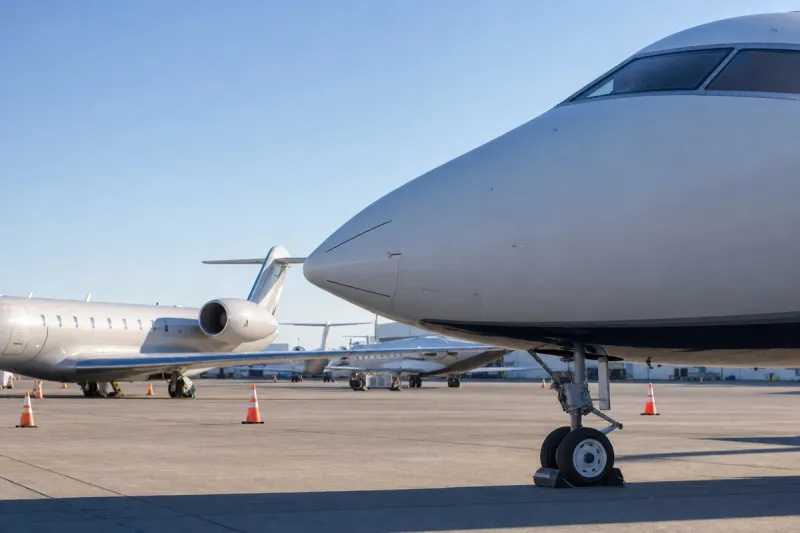
Aircraft are found either on-market, with a public listing and asking price, or off-market, available without advertisement and shown to a few buyers chosen by the seller. An off-market aircraft requires the same inspection, records review and title search as a listed one. The letter of intent sets out the proposed price, deposit, inspection location and scope, delivery conditions and timetable. It generally binds neither party apart from a few standard clauses, and pre-owned aircraft are usually sold "as is, where is". Once the letter is accepted, a deposit of ordinarily 5 to 10% of the price is paid to an independent escrow agent. Buyers will want it to remain refundable until the technical inspection is complete; after acceptance, even conditional, it is normally no longer fully refundable.
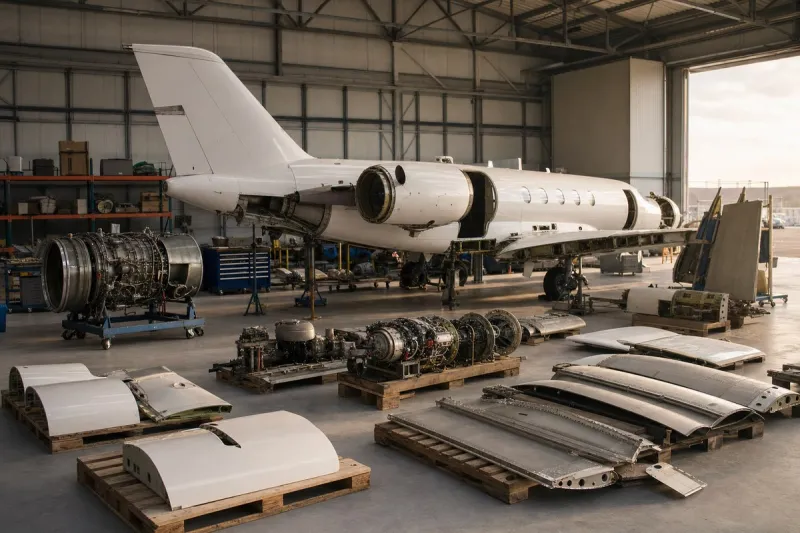
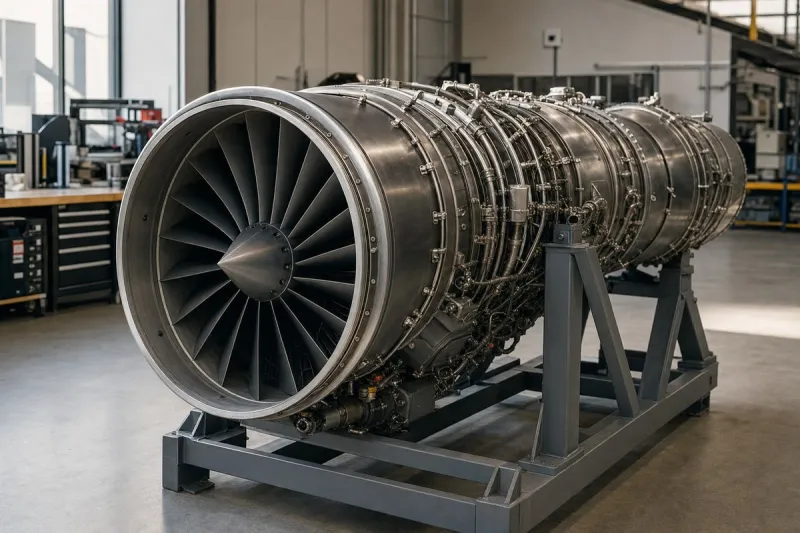
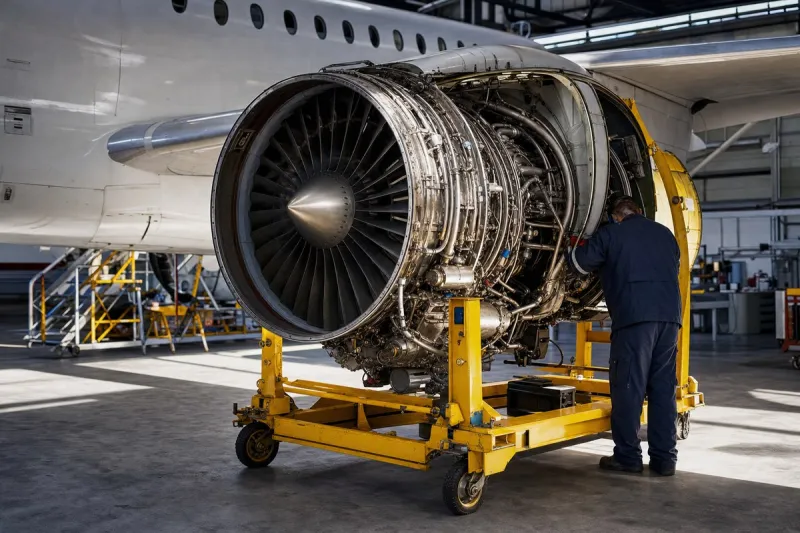
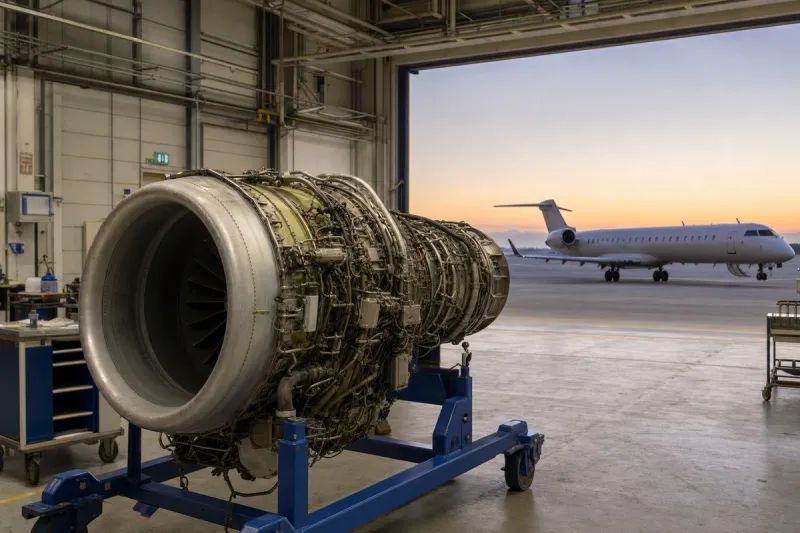
The aircraft purchase agreement makes the deal binding and sets deadlines for the inspection, the remediation period, the closing date and exit points. For most jets the pre-buy inspection takes two to three weeks, longer if findings require work, and produces a list of discrepancies with correction costs. After the inspection, the buyer can accept, reject or conditionally accept the aircraft, and an acceptance flight follows any remediation. Before closing, a title search identifies liens on the airframe and each engine. At closing, the balance is paid to the escrow agent, who pays off the seller's creditors and releases funds and documents together. A lender's interest on a financed purchase is registered with the International Registry under the Cape Town Convention.
An aircraft has the nationality of the State where it is registered and can be registered in only one State at a time (Articles 17 and 18 of the Chicago Convention). When an aircraft changes country, the order is deregistration, an export certificate of airworthiness (EASA Form 27 when leaving the EU), the ferry flight, then registration on the new register. Private flights on a jet are non-commercial operations with a complex motor-powered aircraft (Part-NCC) under the European framework and require a declaration to the authority. If the aircraft is offered to third parties for payment, the operation in principle becomes commercial air transport under an air operator certificate.
From accepted offer to closing, 30 to 90 days is typical; from first search to delivery, three to nine months. A new aircraft takes six to eighteen months or more.