De Havilland Lobbies for 50-Aircraft National Water Bomber Fleet as Experts Question Whether It Answers Canada's Wildfire Crisis
Why It MattersA possible federal-scale purchase would test whether wildfire aircraft procurement can shift from provincial and contractor ownership to a national model, with De Havilland's single production line as the supplier.
Calgary-based De Havilland Aircraft of Canada Limited has been pushing the federal government to fund a national fleet of 50 new water bombers, running a full-page newspaper ad and urging Canadians to write to their members of Parliament. Leaked documents obtained by Politico suggest Canada has a new deal with the European Investment Bank to jointly purchase 50 water bombers, with an announcement expected at the European Union-Canada summit in Montreal. No details have been released, and it is unclear who would own such a fleet, since wildfire response is a provincial rather than federal responsibility.
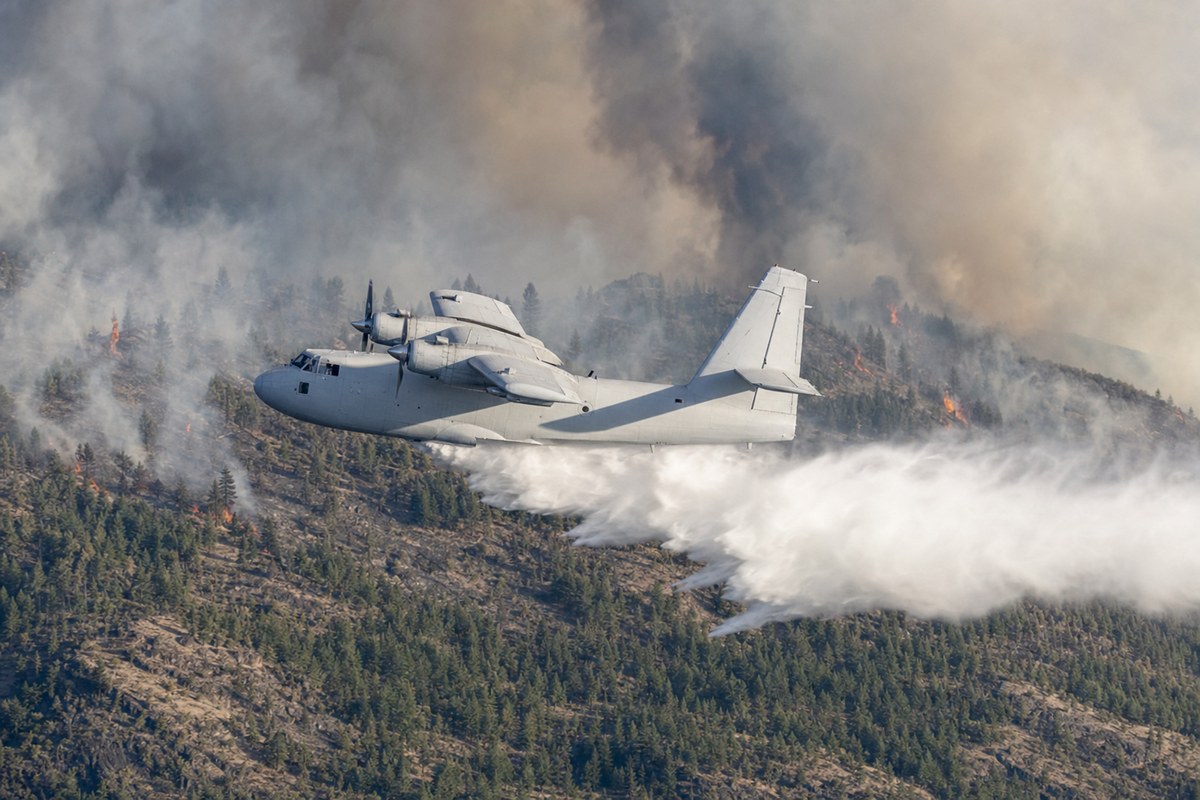
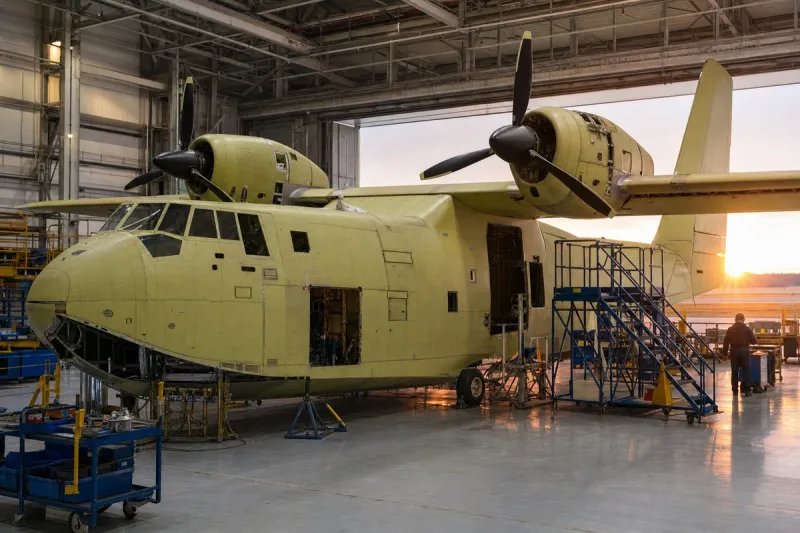
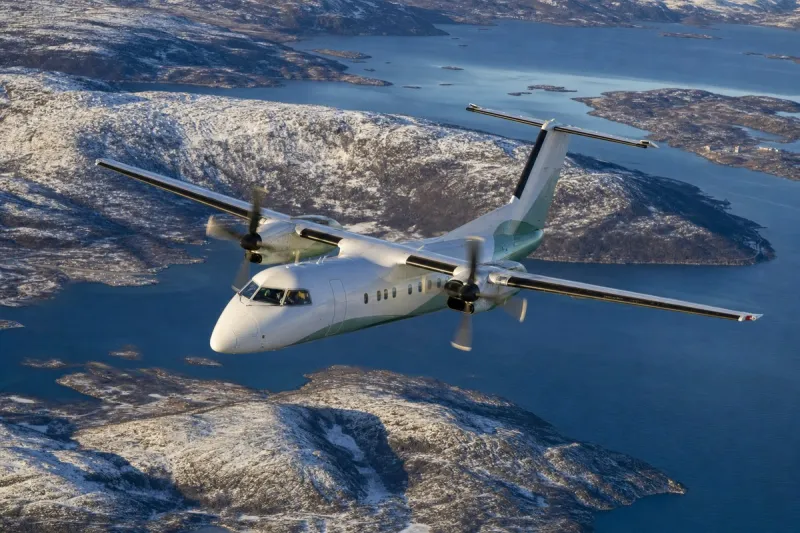
Canada currently has about 50 water bombers owned by some provinces or private contractors. They were first built in the 1960s by Canadair and later Bombardier, and production stopped in 2015. The fleet's average age is around 32 to 35 years. The newest model, the Canadair 515, builds on the CL-415 with new materials and corrosion protection to reduce maintenance costs, and it can scoop more than 6,000 litres of water in 12 seconds. De Havilland says it can currently build about 10 water bombers a year, with several orders already queued. Manitoba will be the first Canadian province to receive one.
In the 2026 wildfire season, there were 23 days when firefighters and equipment in every Canadian jurisdiction were maxed out. The Canadian Interagency Forest Fire Centre coordinates the sharing of resources across jurisdictions. Experts interviewed said they could not say whether 50 is the right number. Mike Flannigan of Thompson Rivers University said 50 may be too many and that firefighters, helicopters and a national wildfire strategy matter more. The Canadian Interagency Forest Fire Centre's Alexandria Jones said water bombers are most effective near large bodies of water.
The federal government spends about $1 billion a year on wildfire suppression and response, according to Natural Resources Canada, and this year invested $316.7 million over five years to expand aerial firefighting capacity. The Canadian Interagency Forest Fire Centre, which received the funds, opted to hire a mix of other aircraft because of the shortage and long waits for water bombers. Data summarized by the Investigative Journalism Foundation shows De Havilland has met this year with several federal departments.