US Tests Uncrewed Combat Jets While UK-Italy-Japan GCAP Fighter Stays Crewed but Built to Team With Drones
Why It MattersAir forces are converging on crewed fighters coordinating uncrewed partners, which moves the pilot's role toward managing a team of machines while rules on autonomous weapons use stay unsettled.
What happened
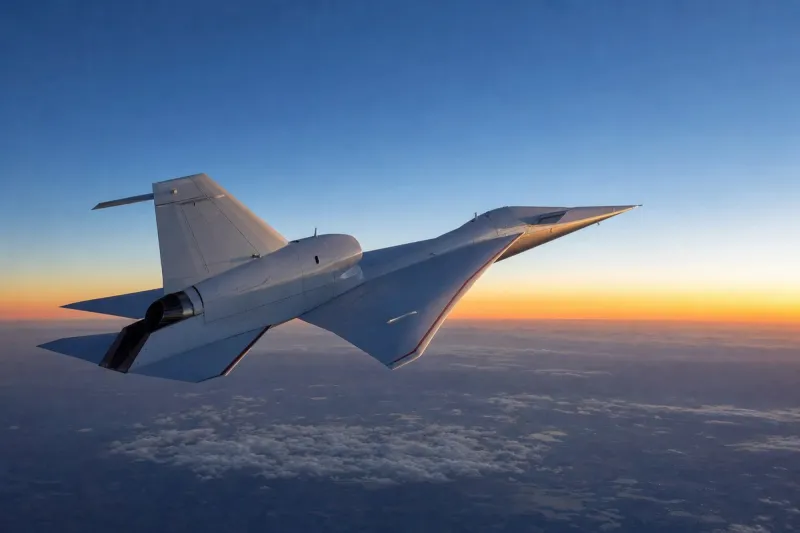
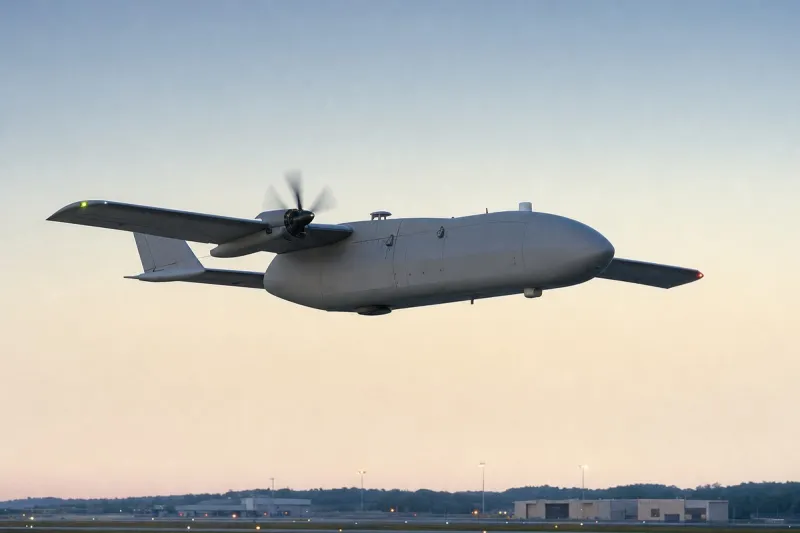
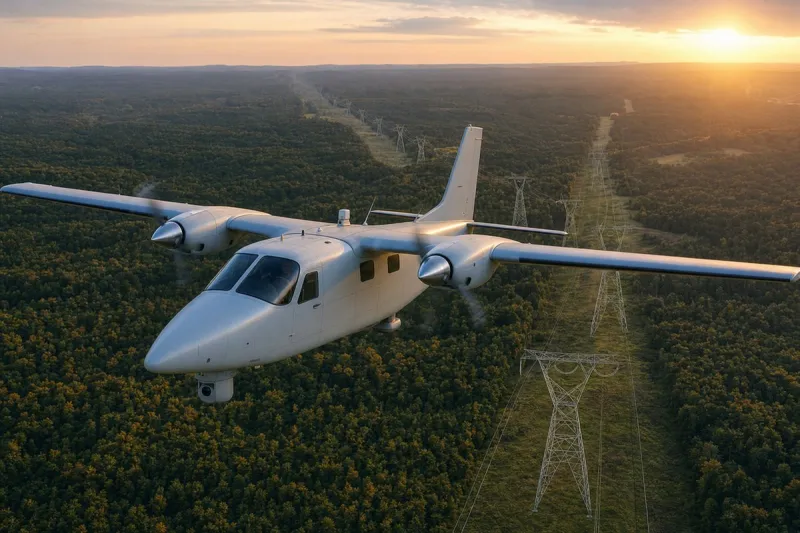
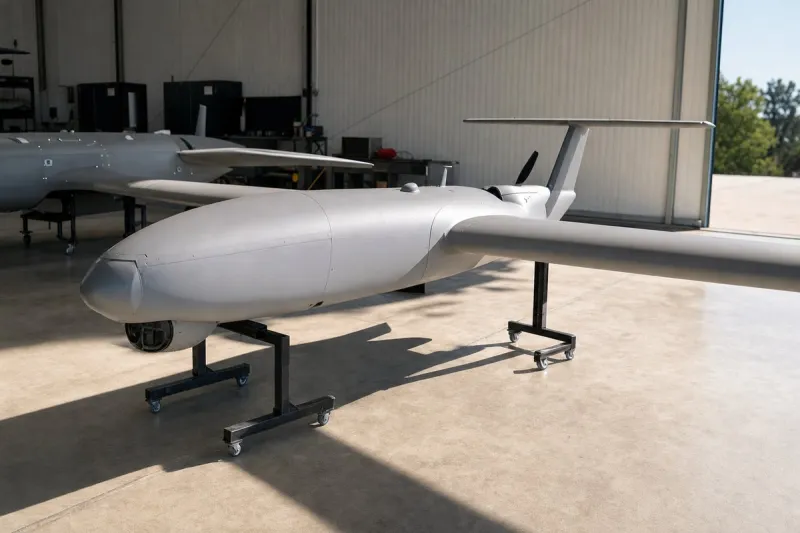
The US Air Force's Collaborative Combat Aircraft (CCA) programme is developing two uncrewed jet prototypes: the YFQ-42A, built by General Atomics, and the YFQ-44A, developed by Anduril. The YFQ-42A completed its first flight in August 2025. The aircraft are intended to support crewed fighters by scouting ahead, identifying threats, carrying weapons or acting as decoys. Their final capabilities and operational roles are still being settled.
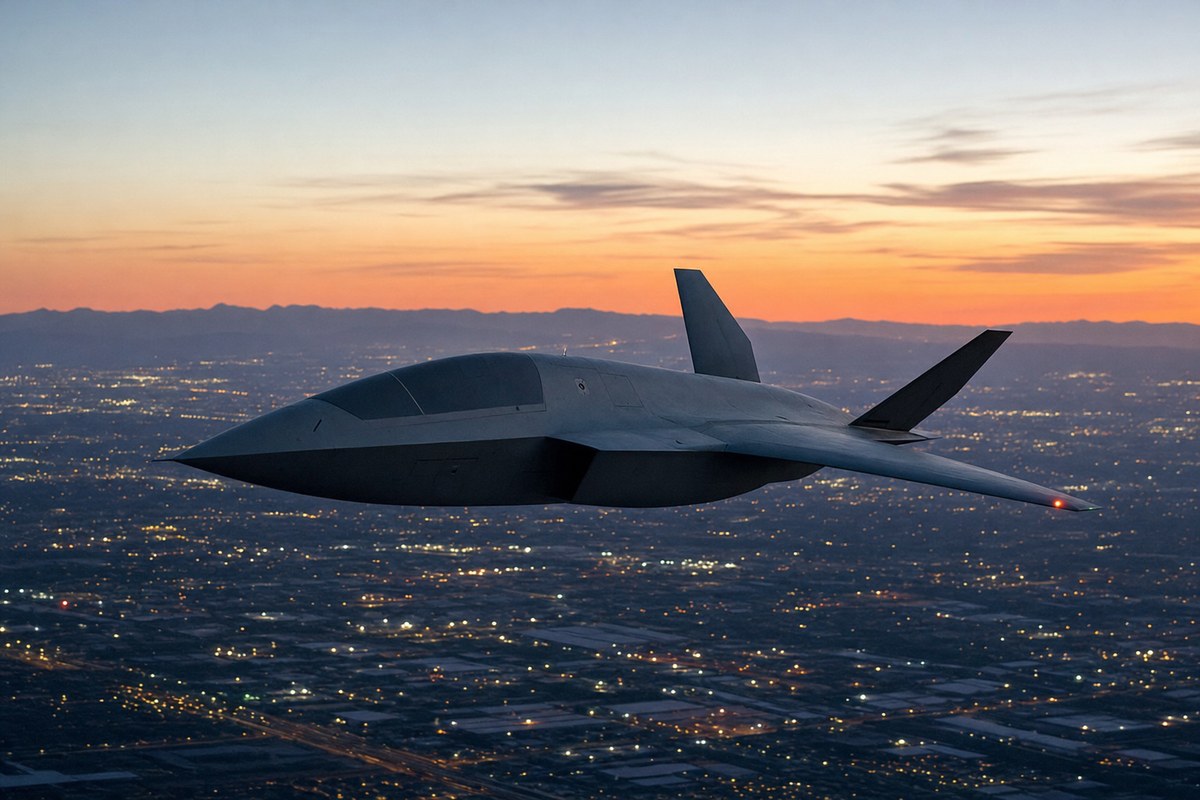
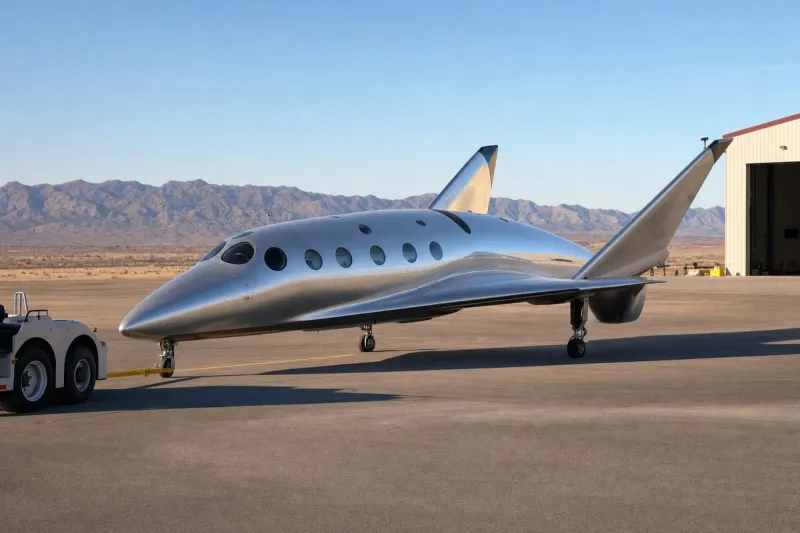
The UK's Global Combat Air Programme (GCAP), developed with Italy and Japan, aims to bring a next-generation combat aircraft into service from 2035. Unlike the American CCA prototypes, GCAP centres on a crewed fighter. Its planned capabilities include stealth features, advanced sensors, high-speed data sharing and AI-assisted decision-making.
The wider GCAP programme is also meant to connect the fighter with uncrewed aircraft and other military systems. That connection could extend the fighter's reach, gather intelligence or carry additional equipment.
What autonomy requires
An autopilot can maintain altitude and follow a flight path, whereas an autonomous combat aircraft needs more advanced software to interpret sensor data, respond to changing conditions and carry out assigned tasks. AI can help process radar and other sensor information, identify possible threats and share information with crewed partners.
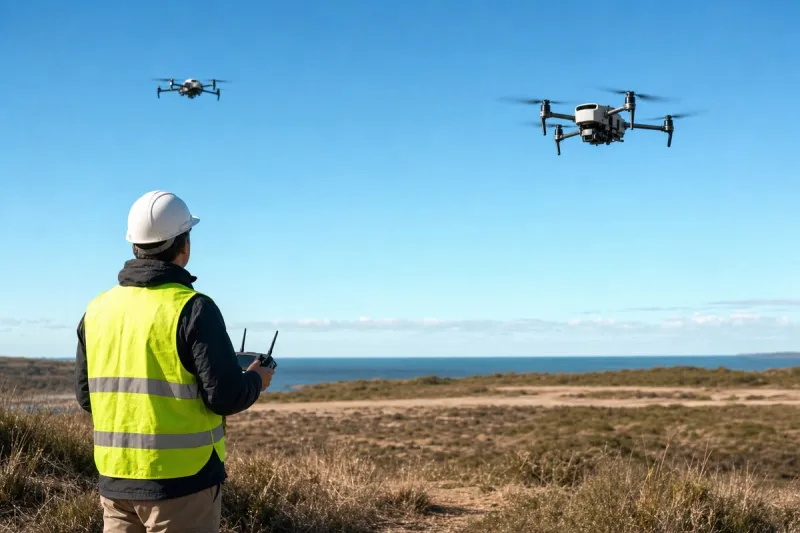
Secure data links connect aircraft with pilots and command centres, and the technology must cope with electronic jamming, communication failures and misleading sensor data. An aircraft that loses contact with its operator needs a safe and predictable way to respond.
Industry impact & what to watch
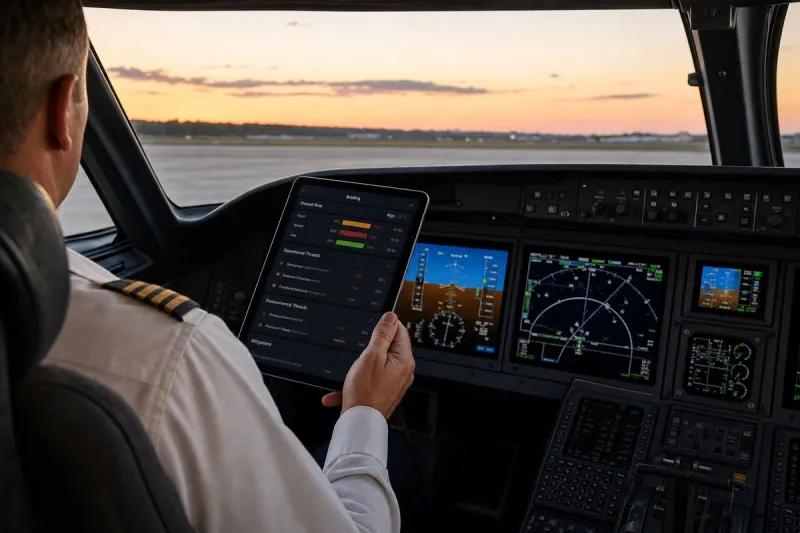
The two programmes point to different routes to the same destination. The American prototypes remove the pilot from the aircraft, while GCAP keeps a pilot in a crewed fighter and builds in links to uncrewed partners. The most immediate change is likely to be cooperation between the two kinds of aircraft rather than the disappearance of pilots, with a future fighter pilot coordinating several aircraft while onboard software manages routine flight and selected mission functions.
Removing the pilot could reduce the risk of human casualties and let air forces field more aircraft, but uncrewed jets still need engines, maintenance, sophisticated sensors and secure software. Overall costs will therefore depend on how the aircraft are built and operated, not simply on the absence of a cockpit.
Weapons use is the unresolved question. Software may identify a potential target, but judging whether an attack is lawful requires careful judgement, so governments need clear rules on when a machine can act independently and when human approval is required. Those rules, along with the final roles set for the CCA prototypes, will shape how far autonomy extends in practice.