Boeing 777-200, Introduced in 1995, Remains in Service With Major Carriers as Jettly Pitches Private Charter Alternative
Why It MattersCharter marketplaces are using the long-running 777 as a benchmark for scheduled long-haul travel, positioning privacy, flexible scheduling and direct routing against airline service on older wide-body fleets.
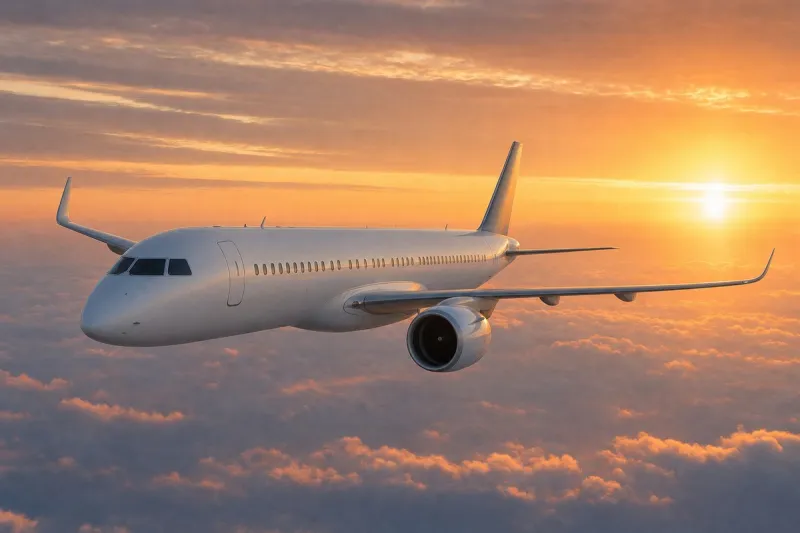
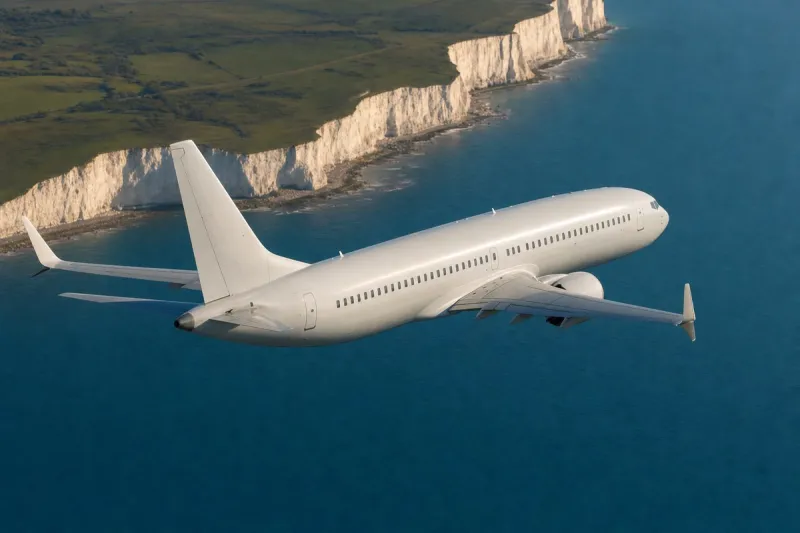
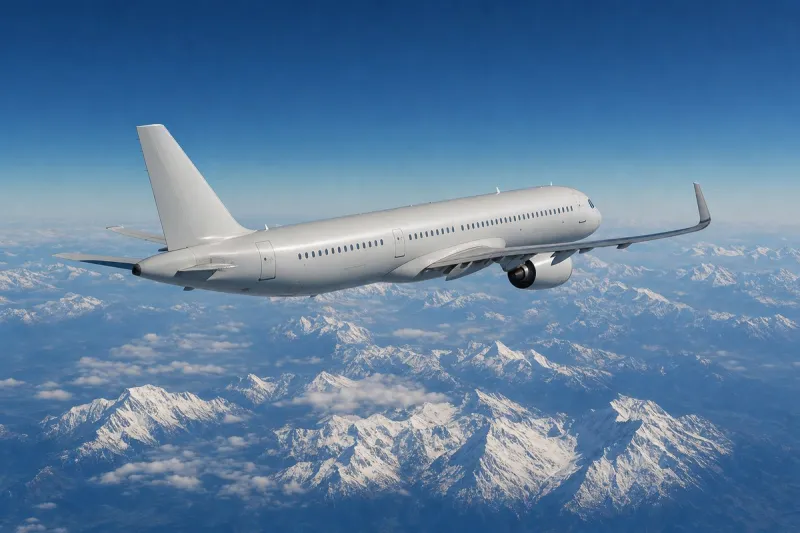
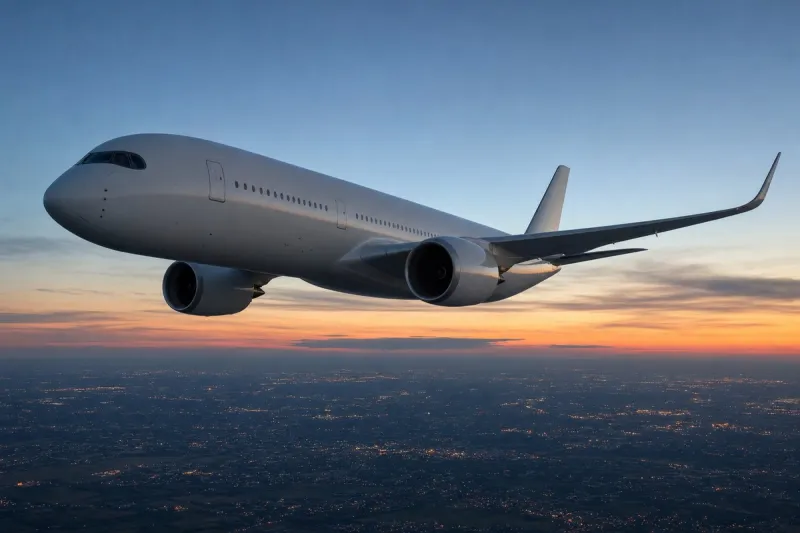
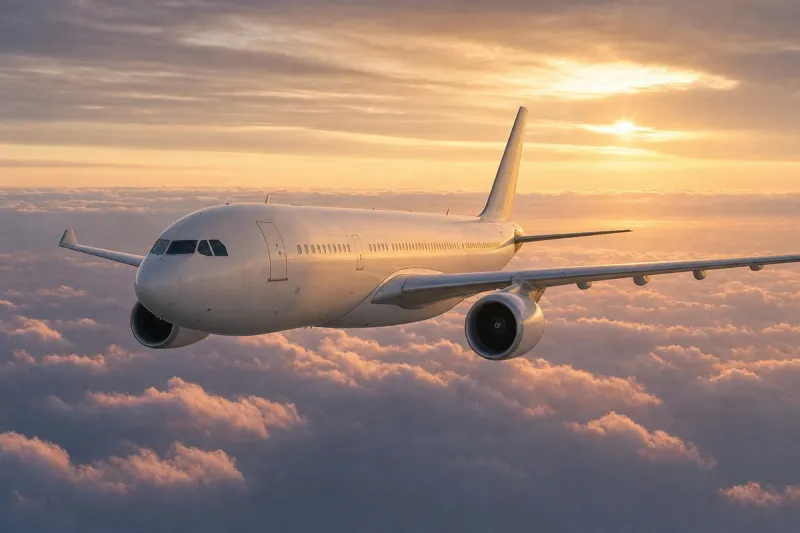
The Boeing 777-200 is a wide-body, twin-engine long-haul airliner that entered service in 1995 and remains in active service with carriers including British Airways, United Airlines and American Airlines. A Jettly Blog guide describes the variant as the original "Triple Seven" and says it was the first commercial airplane designed entirely with 3D CAD tools.

Boeing formally launched the 777 program on October 15, 1990, with United Airlines placing the first order for 34 aircraft plus options. The aircraft rolled out on April 9, 1994, and made its first flight on June 12, 1994. It received simultaneous FAA and European airworthiness certification on April 19, 1995. The first aircraft was delivered to United Airlines on May 15, 1995, and the first commercial flight, United Flight 921 from London Heathrow to Washington Dulles, operated on June 7, 1995. By 2014, the 777 had become Boeing's best-selling wide-body airliner.
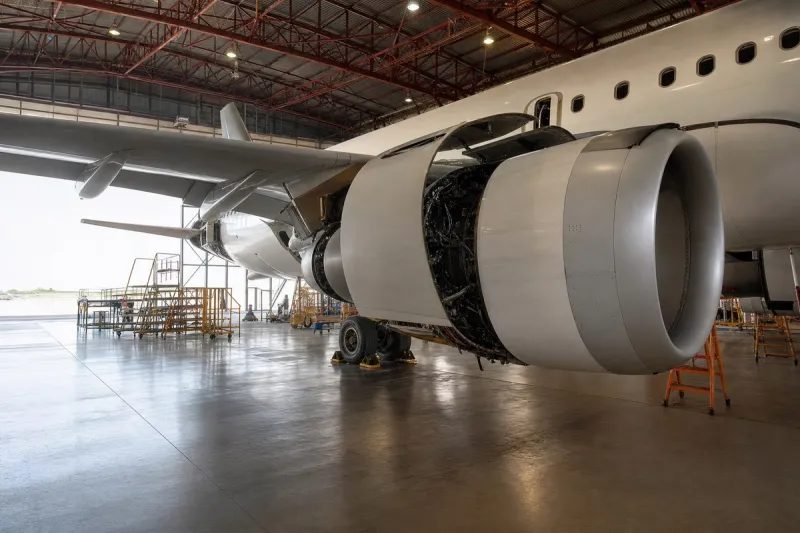
The 777-200 and 777-200ER offer engine options from General Electric, Rolls-Royce and Pratt & Whitney, and seat up to 440 passengers depending on configuration. Cabins range from First and Business Class with lie-flat seats to Premium Economy and Main Cabin/Economy, with layouts varying by airline. The twin-engine design lets the aircraft carry a passenger load comparable to four-engine jets such as the 747 with lower fuel and maintenance costs, and supports ETOPS (extended-range twin-engine operations) overwater routing. The FAA's ETOPS working group task assignment, published in the Federal Register on June 14, 2000, asked the Aviation Rulemaking Advisory Committee to review existing ETOPS policy for approvals up to 180 minutes, codify airworthiness standards in 14 CFR parts 25, 33, 121 and 135, and develop requirements for diversion times beyond 180 minutes.
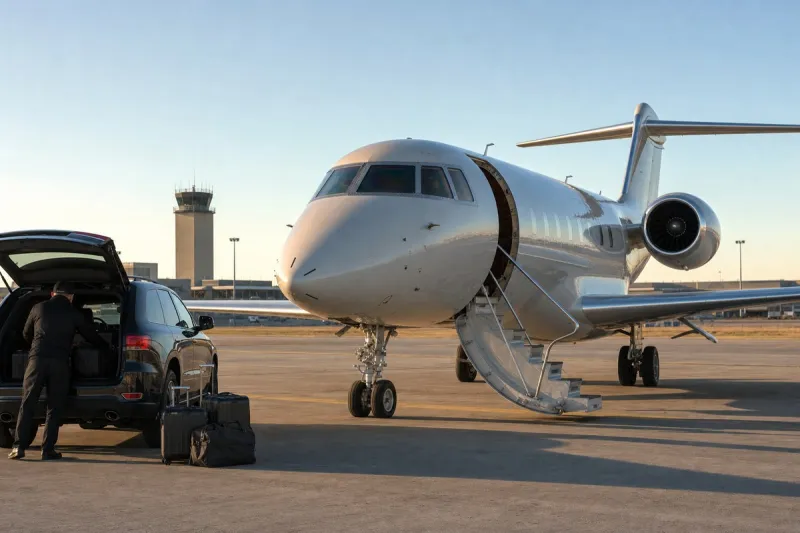
Jettly contrasts scheduled 777 service with private charter, citing greater privacy, flexible scheduling, direct routing and time savings at the airport. It says its marketplace offers access to more than 20,000 aircraft with instant pricing.