Hunan Province's AAM and Drone Ecosystem Survey: Zhuzhou Flight Test, Pilot Status and RMB 20.5 Million in Unpaid Incentive Proposals
Why It MattersHunan's activity is cargo drones and engines rather than passenger eVTOL, and its incentives remain unpaid proposals, showing a provincial pilot status that has yet to turn into confirmed deployments.
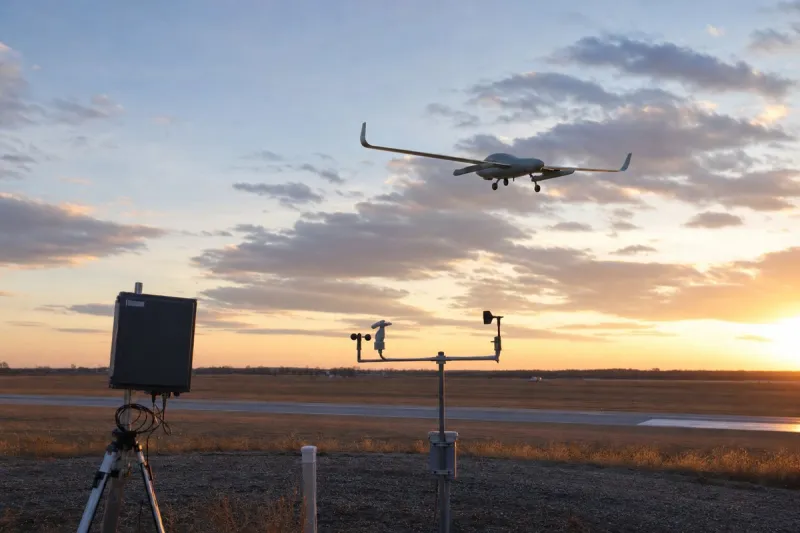
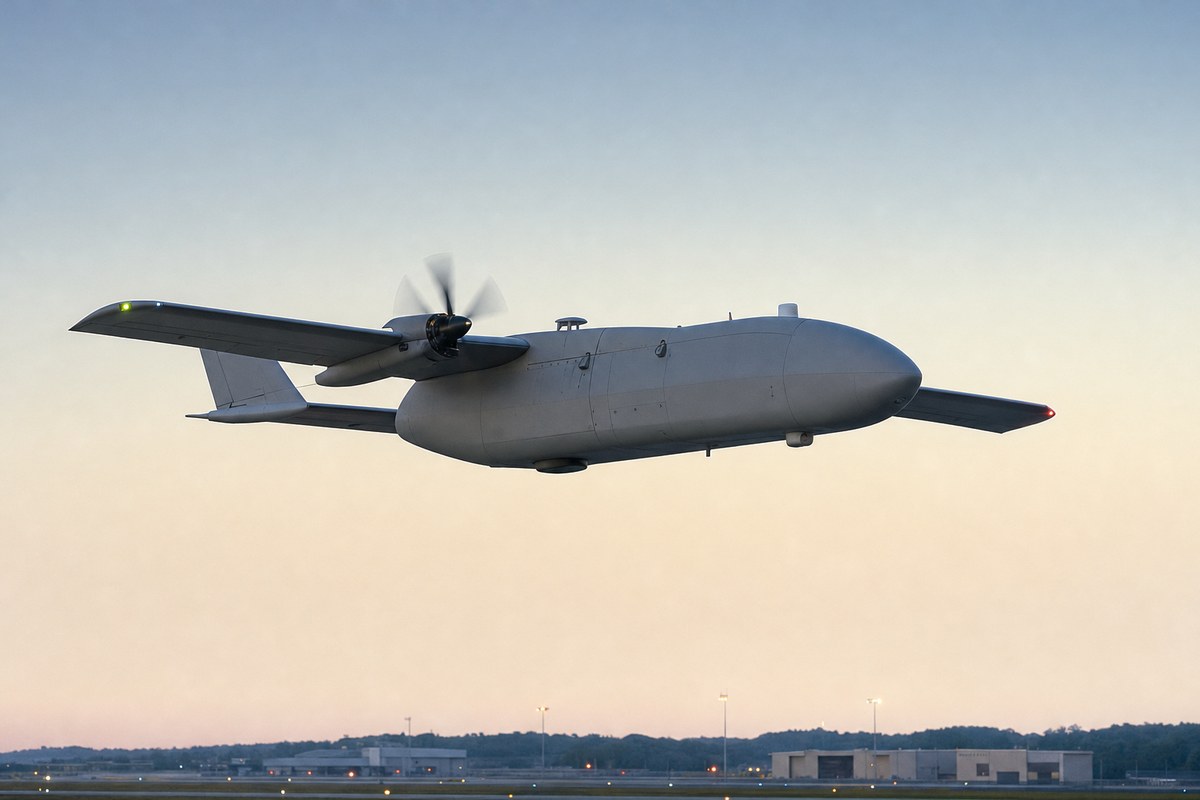
Shanhe Xinghang says its SA750U drone flew on April 4, 2026, at Lusong Airport in Zhuzhou, powered by a hydrogen turboprop from the AECC Zhuzhou Research Institute. A survey of Hunan Province's advanced air mobility (AAM) and drone ecosystem reports that four entities, which could only be confirmed through a Hunan Daily article republished on a government website, have been moved from announced-only to unconfirmed. The claim that Hunan is the country's first province-wide pilot comes from provincial Development and Reform Commission material rather than from a newspaper article.
Hunan is the fifth region in the survey's China series, after Guangdong, Anhui, Sichuan and Shanghai, and all of its entities belong to one of two clusters, Changsha or Zhuzhou. On September 1, 2020, the national air traffic management authority approved an expanded pilot for Hunan. In August 2022 the provincial Development and Reform Commission noted that this made Hunan the first province-wide low-altitude airspace management reform pilot in the country, following partial-area pilots in Sichuan and Hainan.
Zhuzhou manufactures light sport aircraft, aircraft engines and large cargo drones, and a drone delivery route opened there in 2024. No passenger eVTOL operations have been confirmed, and Hunan has no CAAC (Civil Aviation Administration of China) test zone or base. The province published a RMB 300,000 drone-route incentive in June 2025 and RMB 20.2 million in low-altitude projects in June 2026, for a total of RMB 20.5 million; in both cases no payment has yet been confirmed and they remain proposals. Larger figures, namely subsidy ceilings, a RMB 2 billion fund target and registered capital, are not included in that total.
Every entry links to its source and, where primary sources exist, such as local governments, CAAC regional administrations or company releases, refers to them. Because claims about who is operating can go stale from the day they are published, each status carries its own verification date rather than a guarantee of freshness.