Boeing 777-9 and Airbus A350-1000 Emerge as Likely Successors to the Boeing 747 as Passenger Operators Dwindle
Why It MattersWith the last 747 passenger operators retiring aircraft into 2028, twin-engine widebodies take over the large-capacity long-haul role, and 777X delays are keeping older types flying longer.
The Boeing 747 entered service with Pan Am on January 22, 1970, after its first flight on February 9, 1969. It was the first widebody jetliner, with more than 1,500 delivered, the last in December 2022. Only four passenger airlines still operate the type: Lufthansa, Korean Air, Air China and Rossiya Airlines. Lufthansa recently sold two of its Boeing 747-8s to the US Air Force and plans to retire its remaining 747-400s over the next few years, with the last aircraft expected to leave the fleet in 2028 after the first 777X arrives.
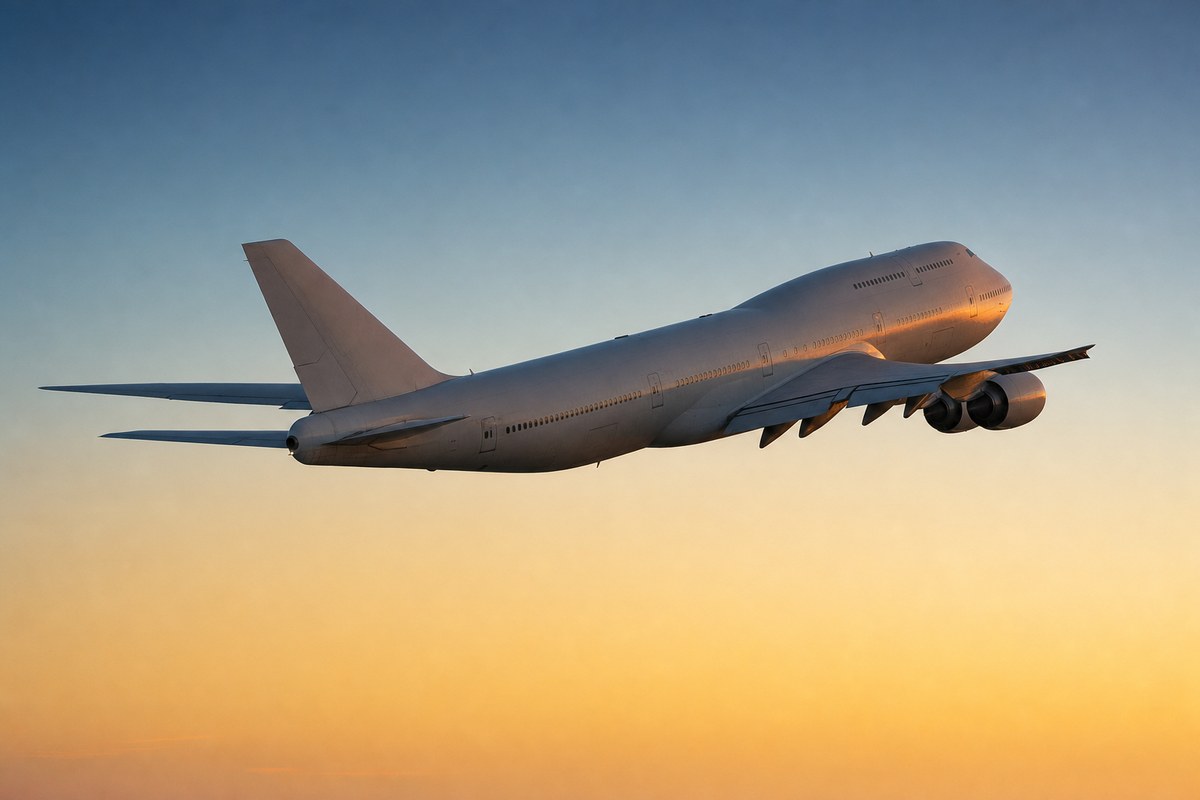
By capacity, the Boeing 777X is the most likely replacement. Boeing lists the 777-9 at 426 seats in two classes and the 777-8 at 395, while Lufthansa's 747 fleet seats 364 to 371 in three classes. Lufthansa plans to replace it with the 777-9, and Korean Air has 40 777-9s on order; Air China has no outstanding 777X orders. The 777-9 is a twinjet with a range of 8,318 miles (13,500 km), against 8,841 miles (13,650 km) for the 747-8. It is 251 ft 9 in (76.7 m) long versus 250 ft 3 in (76.3 m), with a wingspan of 235 ft 5 in (71.75 m), reduced to 212 ft 9 in (64.85 m) on the ground by folding the wingtips.
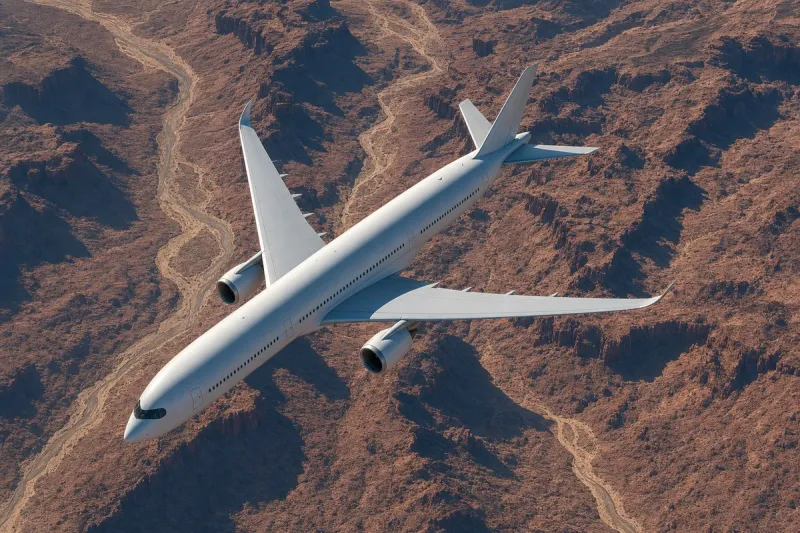
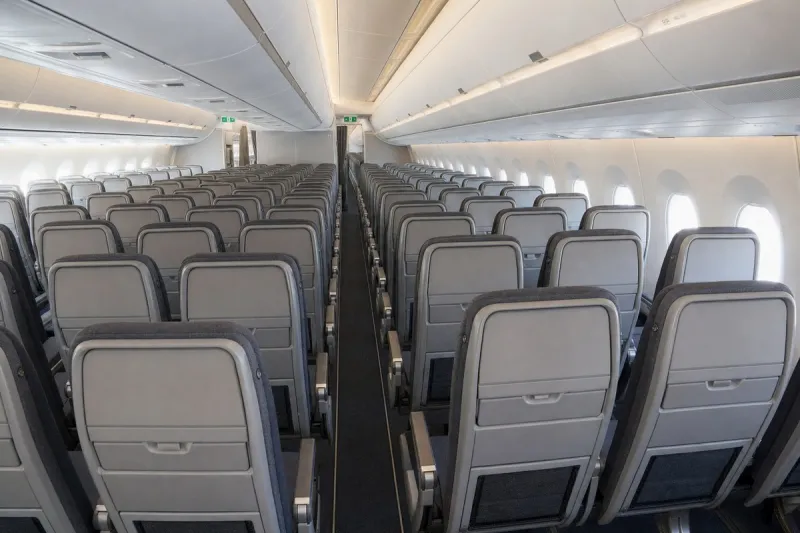
The Airbus A350-1000 is the other candidate. It seats 375 to 400 in a three-class layout and has a range of 10,376 miles (16,700 km), about 2,058 miles (3,200 km) more than the 777-9. It is 242 ft 0.7 in (73.78 m) long with a wingspan of 212 ft 5.2 in (64.75 m). Its availability may also favor it, as 777X delays have led airlines to keep older aircraft such as the 747 in service longer. The Boeing 787-10, at 336 seats in two classes and a 7,282-mile (11,730 km) range, is considered unsuited to replace the 747.