TowFLEXX CEO Says Aircraft Towing Will Be Among the Last Ground Operations to Go Autonomous
Why It MattersGround-handling automation will advance task by task rather than all at once, leaving aircraft towing, the most variable and highest-stakes job, dependent on human operators for the foreseeable future.
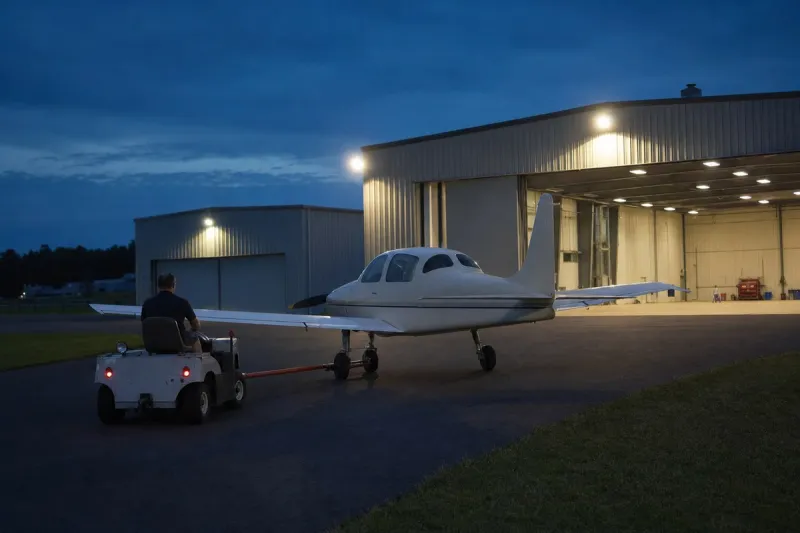
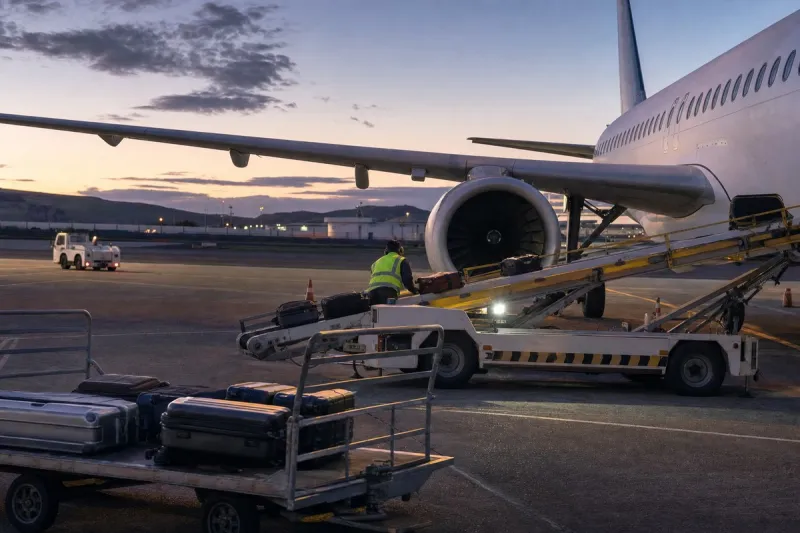
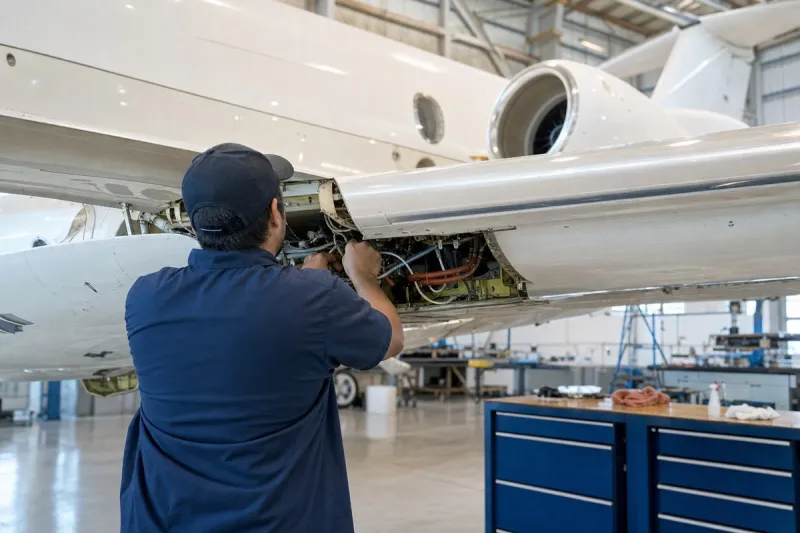
Junaid "Jay" Mukhtar, CEO of TowFLEXX, which builds remote-controlled electric tugs for moving aircraft on ramps and inside hangars, told AeroXplorer that autonomous ground support equipment is coming but will roll out unevenly, progressing from the simplest, lowest-risk tasks to the most complex and highest-stakes one: moving the aircraft itself. TowFLEXX equipment operates across commercial, military and business aviation. Mukhtar named baggage handling and airfield ground maintenance as closest to real-world autonomy, within one to three years. He cited a military facility experimenting with autonomous mowing and snow-clearing in geofenced areas, alongside early baggage-cart automation. Baggage tractors move slowly, follow largely fixed routes and share a fairly uniform configuration, which makes common standards easier.
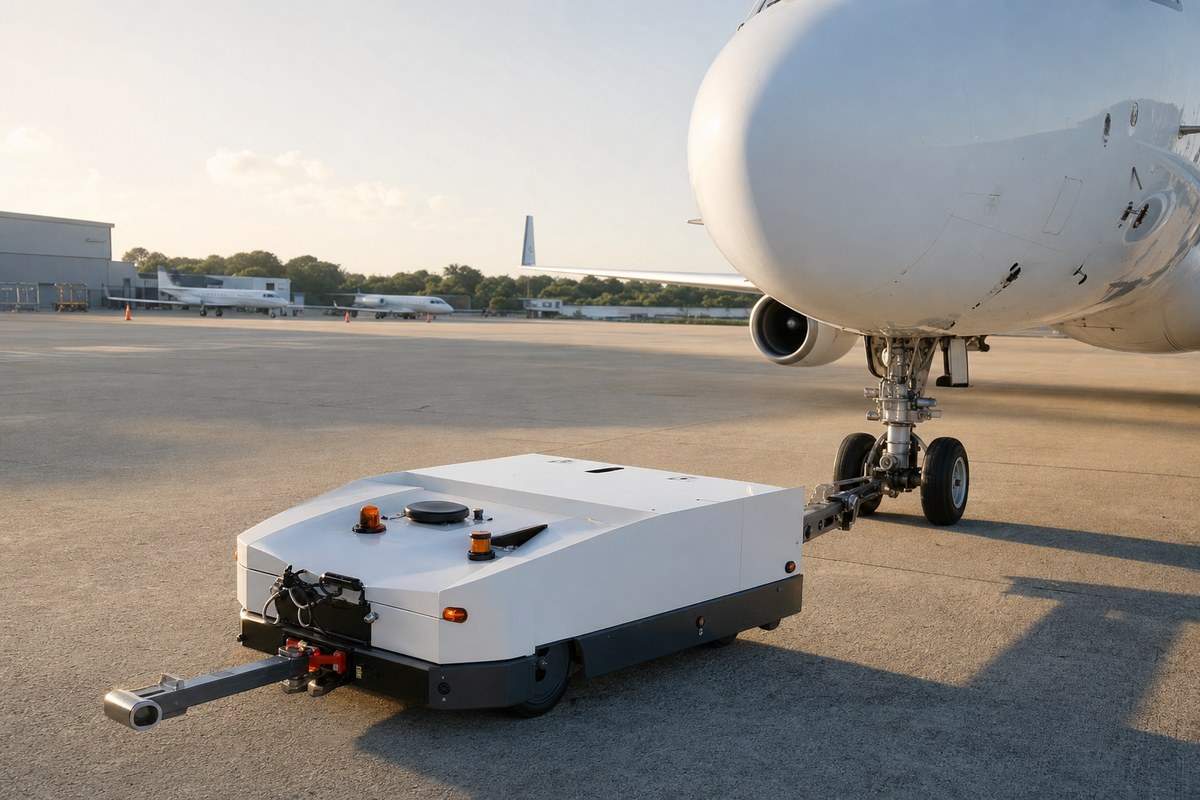
He said automation's role is to reduce workload and mitigate the consequences of human error rather than remove people. One example was oversteering a nose landing gear beyond its allowable limits, an error that can cause thousands of dollars in damage. On selected configurations, TowFLEXX offers an optional LiDAR-based system that detects potential obstructions and, when activated, slows or stops the tug; Mukhtar described it as a safety layer, not full autonomy. He also said remote control frees the operator of a typical three-person tow crew from the driving role.
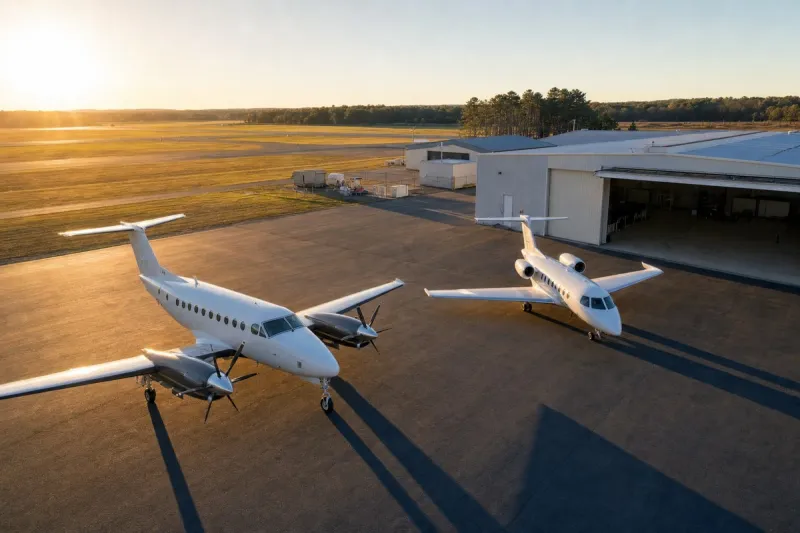
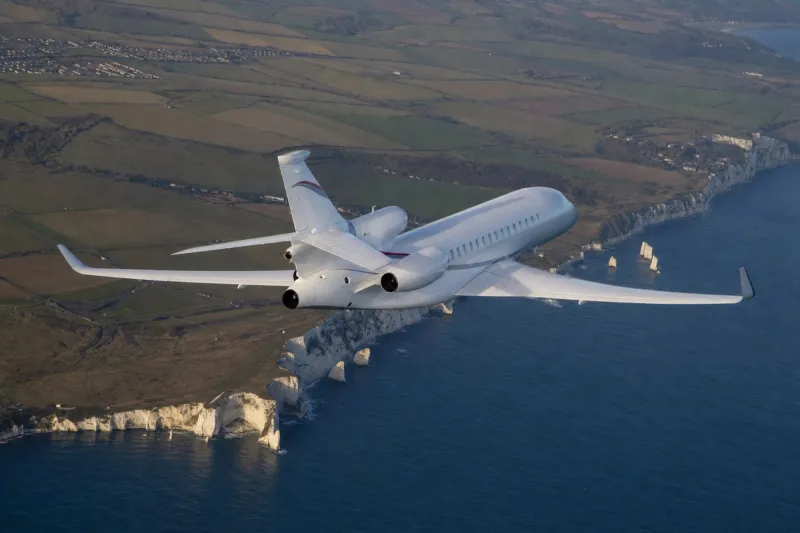
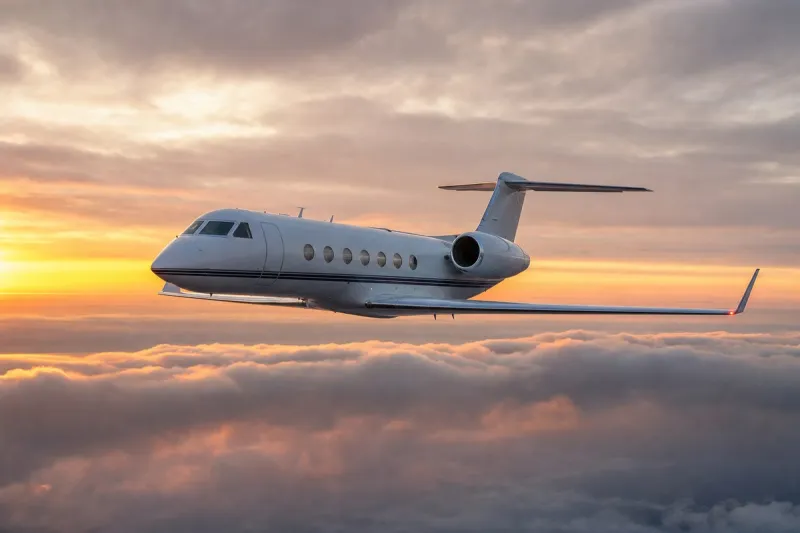
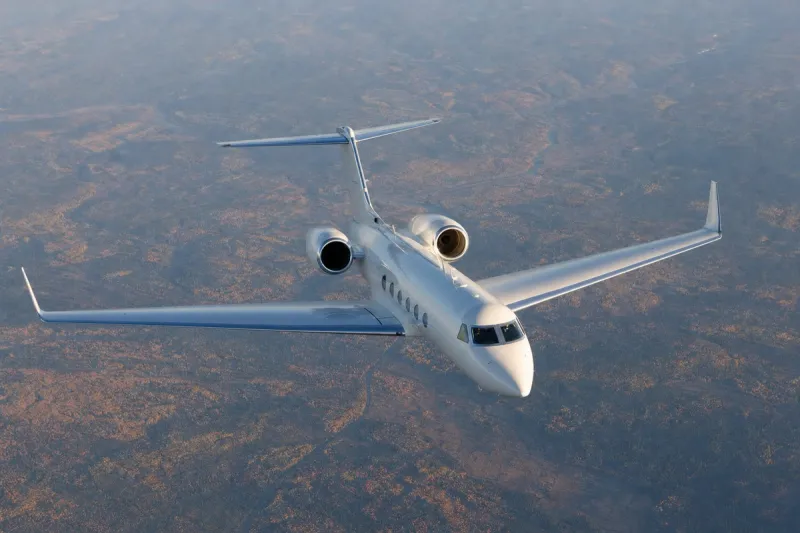
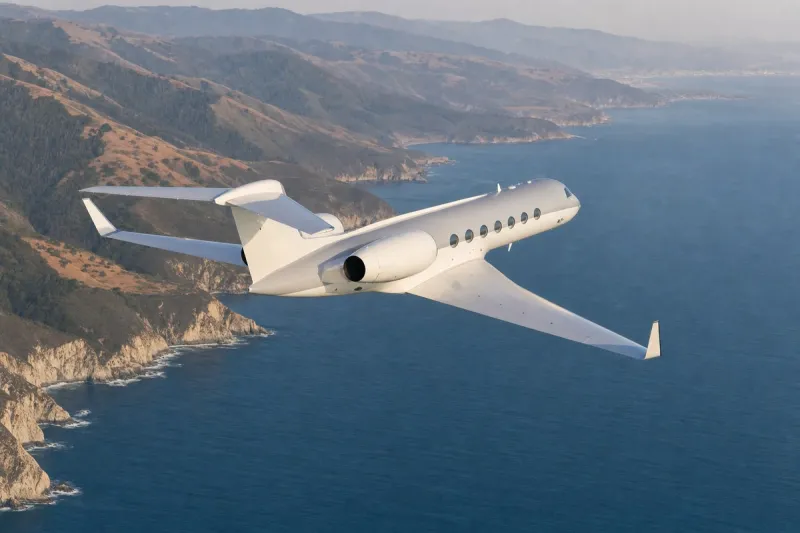
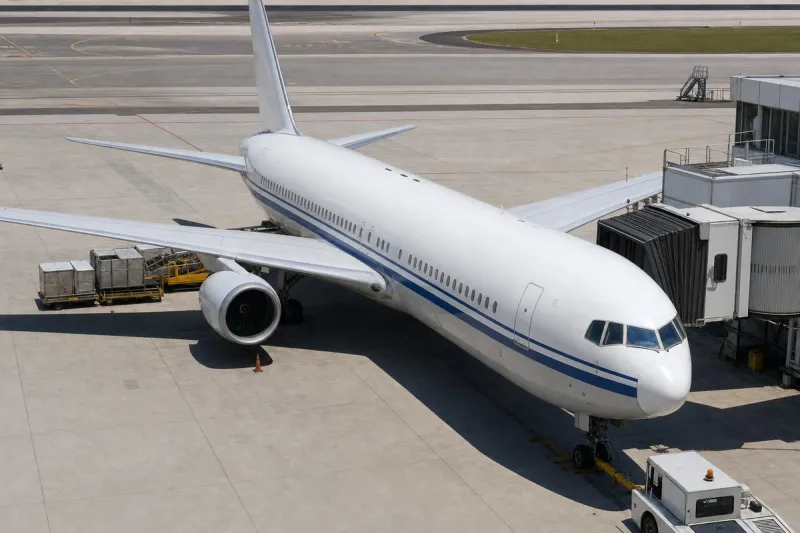
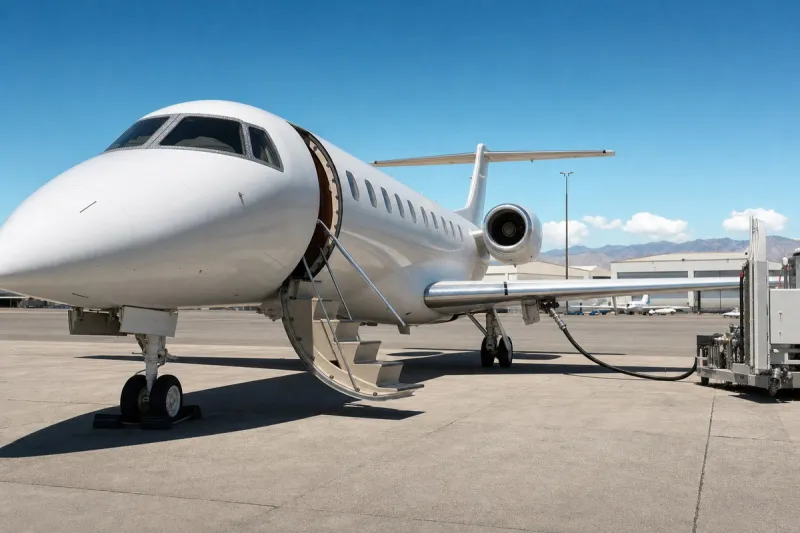
Mukhtar argued towing is a harder autonomy problem because aircraft are not standardized: a Cessna 172 and a Gulfstream G550 differ greatly in size, nosewheel configuration and handling, and setup can vary even within one type. Traditional towbar equipment may require different towbars for different aircraft. The towbarless TF5 uses adjustable nosewheel adapters to accommodate a broad range of nosewheel sizes and configurations, though setup and verification still need operator input.
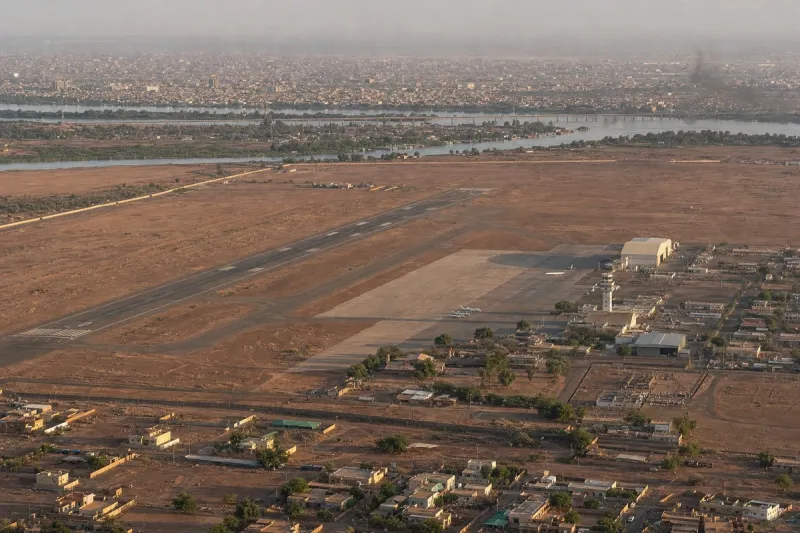
TowFLEXX's approach starts with operator-assistance features, including line assistance, a camera-guided system that follows marked routes while leaving decisions and control with the operator. Mukhtar said testing should begin in controlled, lower-complexity settings before moving into dense, mixed-traffic operations, contrasting TowFLEXX's home base in New Castle, Delaware, with nearby Philadelphia International. The company uses semi-automatic and fully automatic nosewheel capture systems across its range.