Osaka Metropolitan University Chemists Make Jet-Compatible Biofuel From Coconut Oil and Test It in a Micro Jet Engine
Why It MattersA low-pressure, low-heat route using waste coconut fruit widens the feedstock pool for sustainable aviation fuel, though the carbon monoxide increase stands between this fuel and commercial blending.
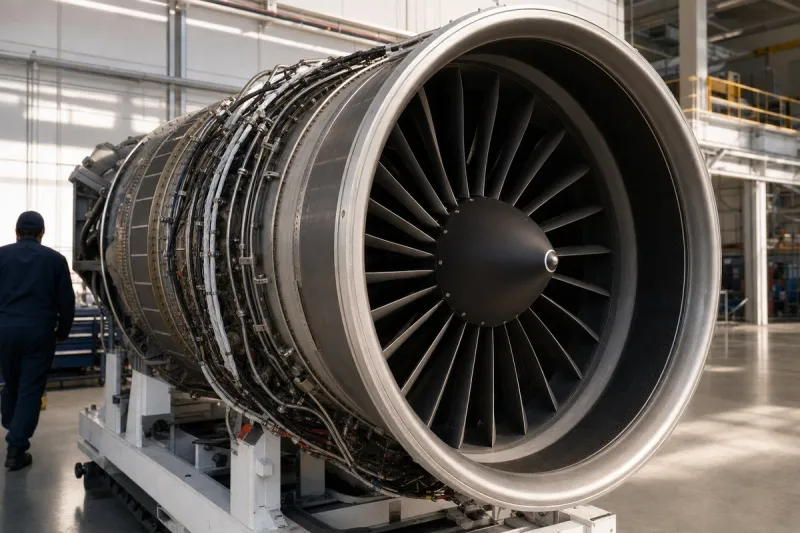
Chemists at Osaka Metropolitan University in Japan have produced an aviation-compatible fuel from coconut oil and tested it in a micro jet engine, in what the team describes as the first experiments making biofuels from coconuts and testing them in a jet engine.

The researchers used a co-solvent method. Waste coconut fruit discarded during commercial oil extraction was combined with 10% acetone and an alcohol, then processed first at room temperature and then at less-than-boiling temperatures. This contrasts with the high pressures and intense heating needed to make sustainable aviation fuel from existing biofuel feedstocks. Glycerin and biodiesel can be harvested as byproducts, and the acetone and alcohol reagents can be recovered and reused.
The biofuel was blended with kerosene at ratios from 10% biofuel and 90% kerosene up to an even 50-50 blend and burned in a micro jet engine. Thermal efficiency was comparable to that of pure kerosene, though fuel consumption was slightly higher because coconut oil has a lower ignition temperature. CO2 and nitric oxide levels stayed consistent with kerosene at all blending ratios. Unburned hydrocarbons, also called volatile organic compounds, which are released in greater proportions when engines are idling or taxiing, fell by between 5% and 40% depending on how much coconut fuel was added.
The team said more research is needed before commercialization, mainly because of an observed increase in carbon monoxide emissions when the biofuel was combined with jet fuel, which could be harmful to ground crews.