Liebherr-Aerospace Opens €40 Million Heat Transfer Equipment Center of Excellence at Campsas Site Near Toulouse
Why It MattersThe investment signals that thermal management is becoming a core manufacturing capability for aircraft systems suppliers, as heat dissipation grows more important on future aircraft generations.
Liebherr-Aerospace Toulouse SAS has opened a new center of excellence for aerospace heat transfer equipment at its Campsas site near Toulouse, France. The cornerstone was laid two years ago. The facility adds 12,000 m² of new industrial space and represents an investment of more than €40 million, the largest industrial investment Liebherr-Aerospace has made in the region.
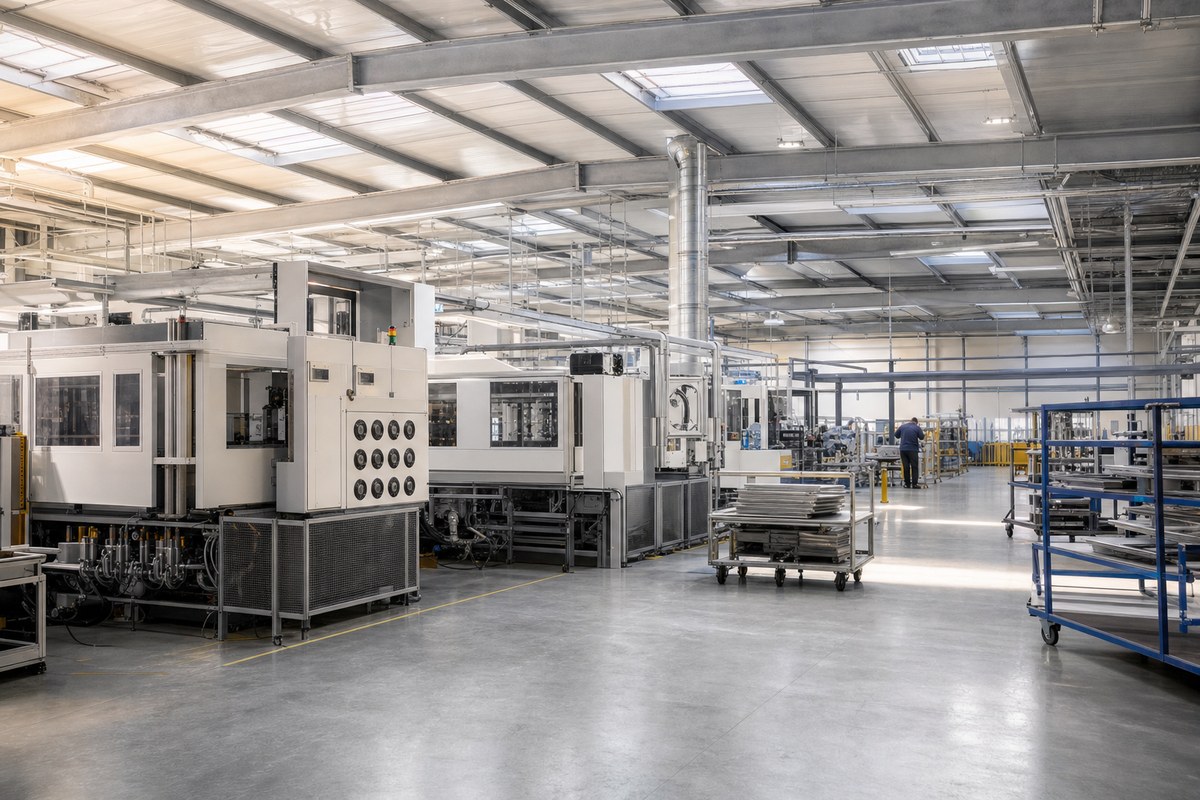
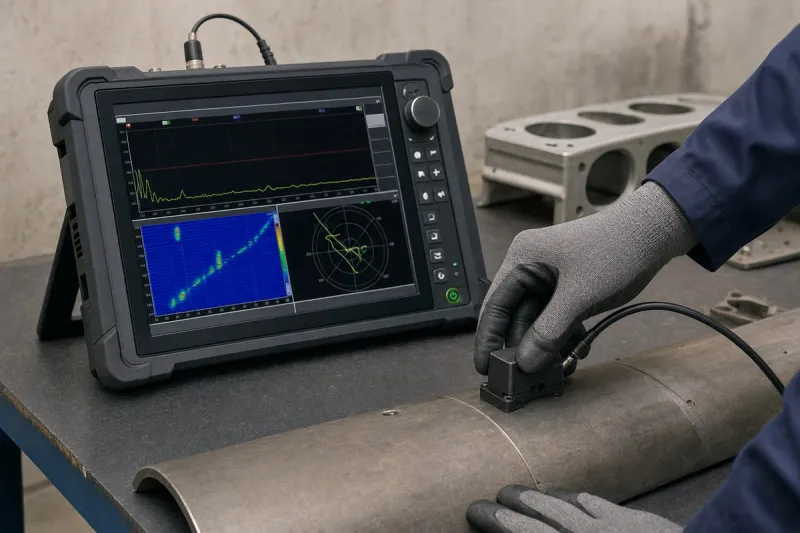
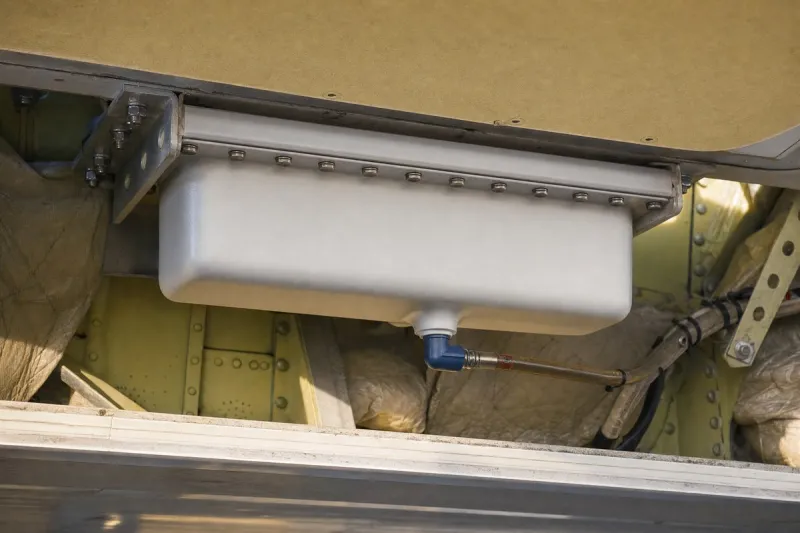
Liebherr-Aerospace has been established in Campsas since 2001 and has gradually expanded its precision machining operations there. The site now houses the production and repair of aerospace heat transfer equipment, a major part of the environmental control and thermal management systems the company develops. The investment doubles the site's floor space and adds surface treatment lines, a brazing application robot, brazing furnaces, welding equipment, inspection systems and a spacer-forming press designed by Liebherr. Operations were transferred from Toulouse to Campsas.
The stated objectives are to support the ramp-up of current aircraft programs and to prepare for future aircraft generations. Heat transfer equipment is used today for conditioning and pressurizing cabin air and for cooling equipment, and is expected to play a growing role in energy management and heat dissipation on future aircraft.
Liebherr-Aerospace is also running DIGIFab, a collaborative project supported by the DGAC (French Civil Aviation Authority) within CORAC (Council for Civil Aeronautical Research), aimed at accelerating the digitalization and automation of heat transfer equipment manufacturing. The new center includes optimized workstations and new communal spaces, among them a company cafeteria, a gym, a multipurpose room and facilities for the local workers' council. The project is supported by the Occitanie Region and the Adour-Garonne Water Agency.